
Last updated November 25, 2026
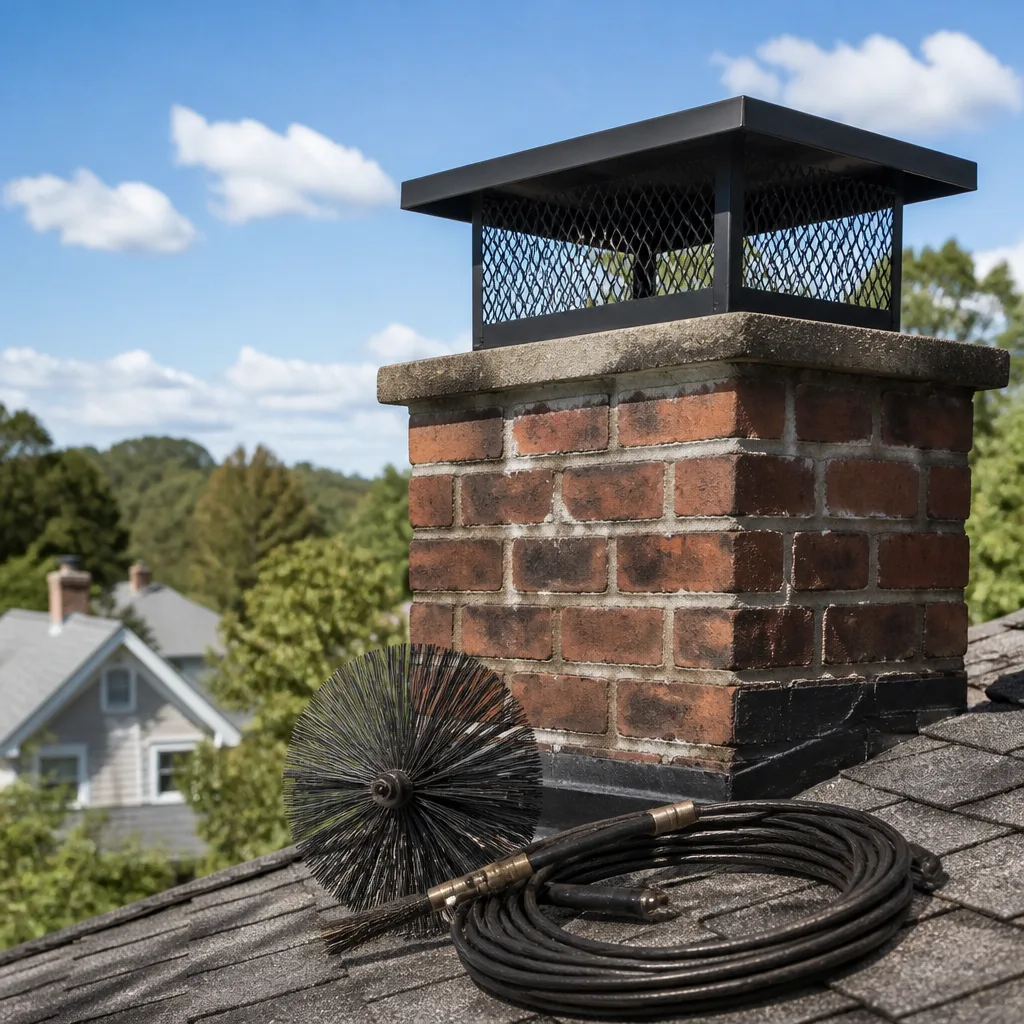 Sweep & inspection
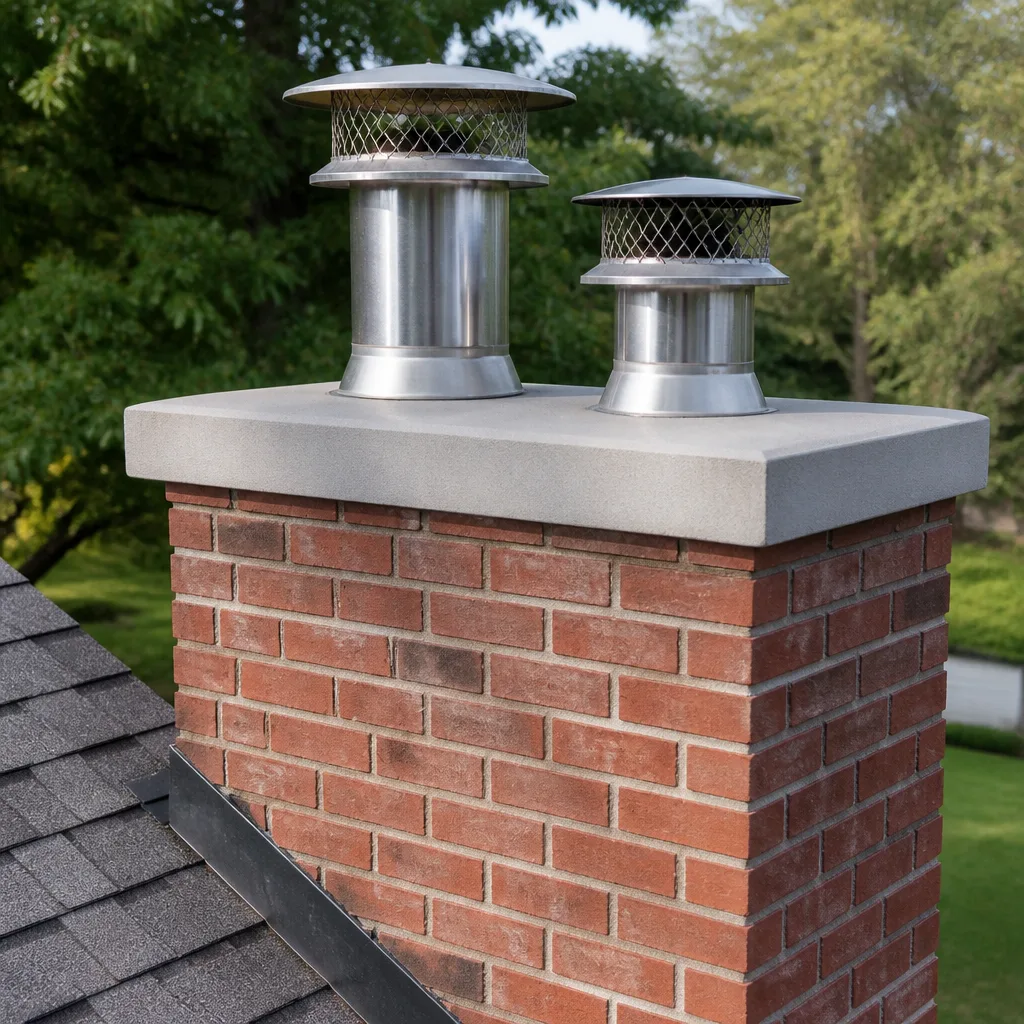 Caps & crowns
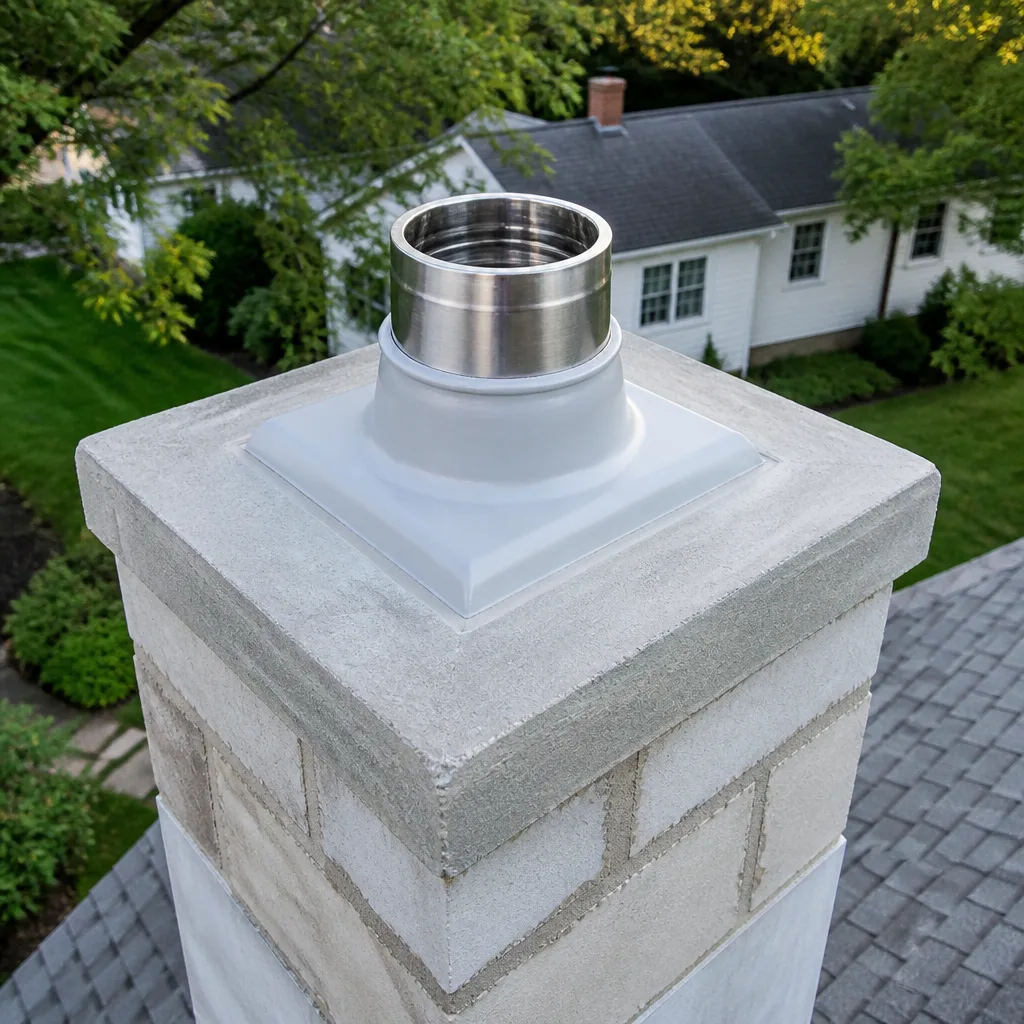 Flue relining
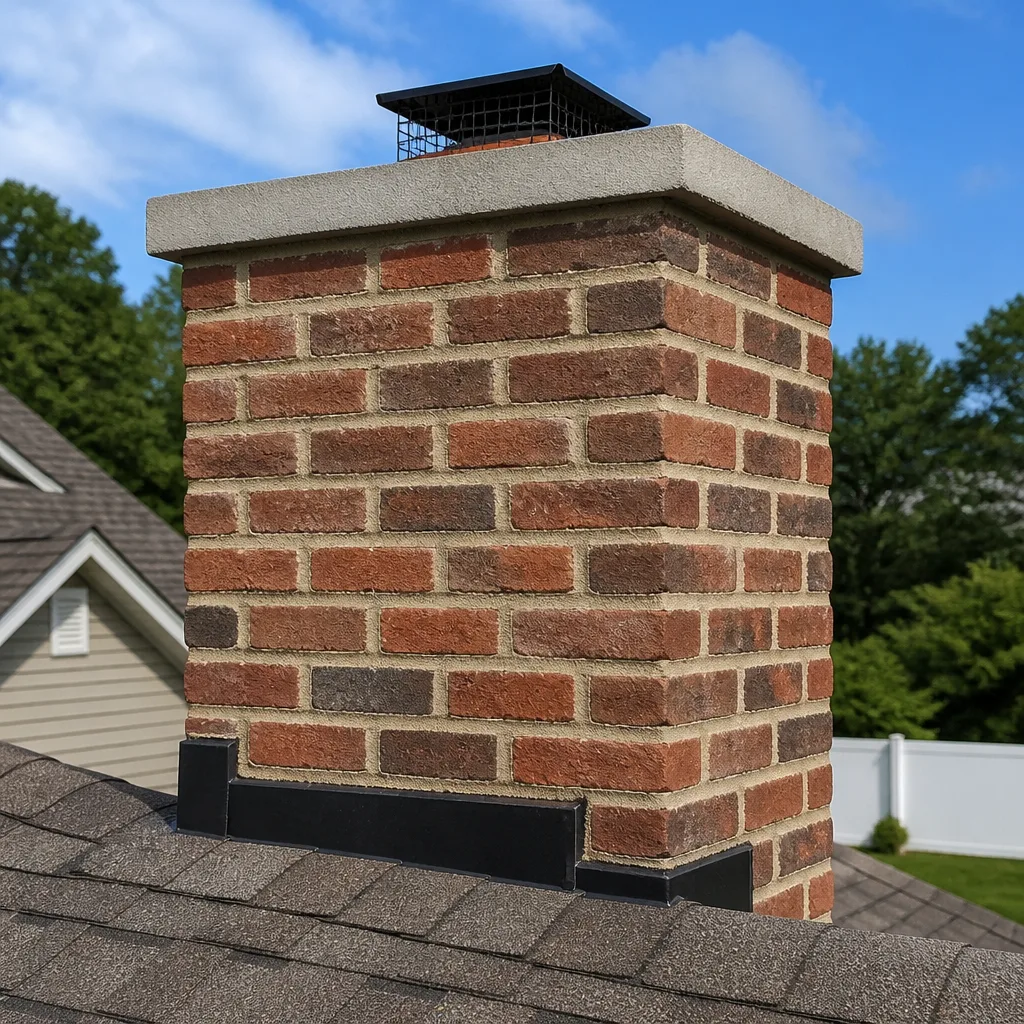 Masonry repair
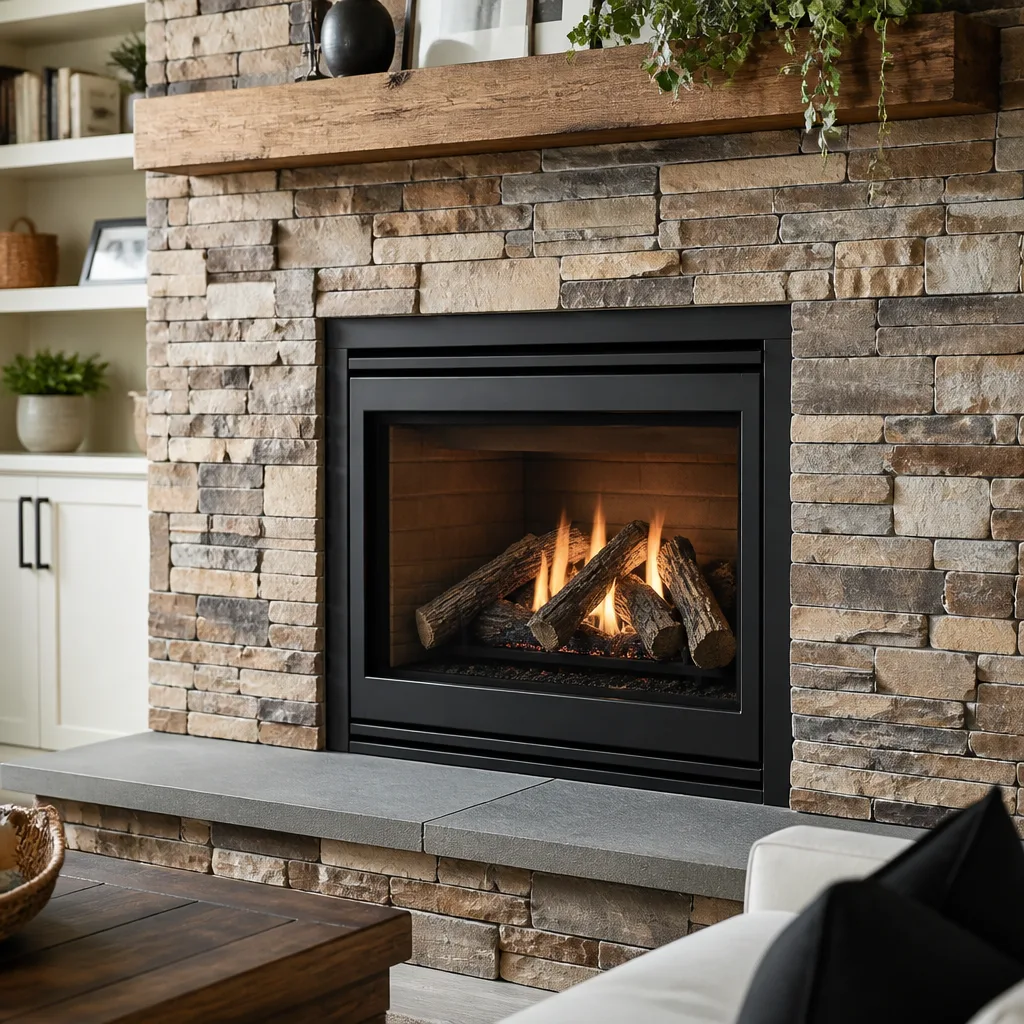 Gas fireplace service
Level 1 sweep and inspection to the NFPA 211 annual standard - flue, crown, cap, and flashing checked and photographed
Chimney sweep logs do not sweep chimneys. They loosen some creosote - which then falls where a brush and vacuum still have to collect it.
Choosing the Right Chimney Cleaning Brand: A Buyer’s Guide for Yorba Linda
The chimney product sitting on the shelf at the big box store and the one a trade professional specifies for your flue are rarely the same thing, even when they carry similar labels. Most buyers in Yorba Linda shop chimney products by brand name and packaging, which is exactly backwards. What matters is the material grade, the application rating, and whether the product is meant for the fuel type and climate your chimney actually sees. Retail branding tells you almost nothing about any of that.
This guide cuts through the label and explains what professionals look for in liners, caps, crown coatings, dampers, and creosote removers. You’ll learn which material grades are rated for which applications, where retail versions quietly fall short, and what to specify before you buy. A Yorba Linda homeowner with a canyon-facing roofline has different needs than someone in a sheltered interior lot, and the right product choices reflect that.
Quick Answer
The right chimney cleaning and repair products are chosen by material grade and application rating, not by brand name. For a Yorba Linda home, that usually means a 304 or 316 stainless cap over galvanized, a stainless flexible or rigid liner matched to your fuel type, and a professional-grade crown coating rather than a retail patch. Brand names like Gelco, Olympia Chimney, and Copperfield matter only once you know the material and rating behind them.
Styles & brands we work with
- Sweep & inspection
- Caps & crowns
- Flue relining
- Masonry repair
- Gas fireplace service
Table of Contents
- Why Brand Names Alone Won’t Protect Your Chimney
- Chimney Caps: Material Grade Beats Brand Name
- Chimney Liner Systems: Aluminum, Flex Steel, and Rigid Stainless
- Crown Coatings: What Professionals Use and Why
- Creosote Removers: Legitimate Aids vs. Overpromised Products
- Damper Upgrades: Top-Mount vs. Throat-Mount
- What Yorba Linda’s Climate Does to Chimney Materials
- How to Vet a Chimney Professional
Why Brand Names Alone Won’t Protect Your Chimney
A brand is a promise about consistency, not a promise about suitability. Two caps from the same manufacturer can be made from completely different steel grades, and the cheaper one may look identical in the box. That’s the trap. The label tells you who made it; the spec sheet tells you what it’s made of and where it’s allowed to be installed.
In our experience, the buyers who end up replacing a component twice are the ones who chose by logo rather than by rating. The buyers who get it right on the first try asked three questions: what’s the material, what’s the fuel type, and what does the manufacturer actually rate it for?
Ask those three questions of any product you’re considering:
- Material grade: Is it galvanized, aluminum, 304 stainless, or 316 stainless?
- Application rating: Is it rated for wood, gas, or oil, and for a masonry or factory-built chimney?
- Listing: Is the component tested and listed for that use, or is it a generic fit?
Professional-grade lines from DuraFlex, HeatShield, Gelco, Olympia Chimney, Famco, and Copperfield exist because trade installers demand that information up front. The product data is there, the ratings are clear, and the materials match the application. Retail packaging tends to bury all of it. When you’re buying a component that will sit on your roof for decades in Yorba Linda sun, that paperwork matters more than the name on the box.
Chimney Caps: Material Grade Beats Brand Name
The cap sold at the hardware store is often galvanized steel rated for a short service life. The cap a professional specifies is typically 304 or 316 stainless, and the difference in how long it lasts on a Yorba Linda roof is measured in decades versus years. That single spec choice protects the whole flue, because the cap is your chimney’s first line of defense against rain, debris, and animal entry.
Here’s how the three common grades compare for local conditions:
- Galvanized steel: Cheapest up front. The zinc coating breaks down over time, then the steel underneath rusts. Fine for a temporary fix, not for a permanent cap.
- 304 stainless: The standard professional choice for most residential chimneys. Handles moisture and normal atmospheric exposure far better than galvanized, and holds up well under Southern California sun.
- 316 stainless: The step up when you want maximum corrosion resistance, and the grade often specified for harsher environments or for chimneys near the coast-influenced air. Costs more, lasts longer.
What to specify in SoCal air: 304 stainless at minimum, with a mesh sized to keep out birds and squirrels while still allowing full draft. A cap that’s too restrictive chokes the fire, and a cap that’s too open lets debris in. The mesh gauge and the lid overhang both affect performance. A professional cap install is a quick job that protects everything below it.
This is where a name like Copperfield earns its reputation – not because the logo is familiar, but because their stainless caps are clearly listed for the applications homeowners actually have. Ask for the material grade in writing before you buy.
Chimney Liner Systems: Aluminum, Flex Steel, and Rigid Stainless
Your flue liner is the component that keeps combustion gases inside the chimney and away from the wood framing of your house. Choosing the wrong liner for the fuel type is one of the most common and most serious mistakes we see. Each material is rated for a specific set of applications, and matching them correctly is the whole job.
Here’s how the three common liner types break down:
- Aluminum: Rated for certain gas applications only. It is not appropriate for wood-burning appliances and should never be used where solid fuel is burned. If someone quotes you an aluminum liner for a wood stove, that’s a red flag.
- Flexible steel: The workhorse for retrofit relining. A flexible stainless liner can navigate offsets, bends, and complex flue paths that a rigid liner can’t follow. DuraFlex flexible liner systems are the ones we reach for when the flue path is anything but straight.
- Rigid stainless: The right choice for straight flues and for high-efficiency appliances that need a specific draft profile. Rigid sections give a cleaner interior and better flow when the path allows it.
Fuel type drives the decision as much as flue geometry. Wood, gas, and oil appliances each need a liner rated for what they produce. A reline is a one-time job done right or a repeated problem done wrong. If your liner is cracked or spalled but not fully failed, HeatShield is the product worth knowing about – it restores a deteriorated liner from the inside without the full tear-out, which is a repair option many sweep-only services can’t offer. From there, if the liner genuinely needs replacing, moving up to a DuraFlex stainless system covers the full range of fuels and retrofit scenarios.
For more on what a failing liner looks like, see our page on chimney repair.
Crown Coatings: What Professionals Use and Why
The crown is the concrete cap at the very top of a masonry chimney, and it’s the one part most exposed to sun, rain, and temperature swings. A hairline crack in the crown lets water into the masonry below, where it does far more damage than most homeowners realize. Retail concrete patch is one thing. A crown coating formulated for exposed masonry is another.
Professionals reach for products like ChimneySaver and CrownCoat because those formulations are built for the specific job: sealing small cracks in an existing crown while allowing the masonry to breathe. Generic retail patching compound often cures too hard or too porous, and either traps moisture or weathers away within a couple of seasons.
The application matters as much as the product:
- Surface preparation: The crown has to be clean and dry before coating. Applying over loose material guarantees a short life.
- Crack treatment: Small cracks get filled before the coating goes on. Wide cracks or crumbling sections usually mean the crown itself needs rebuilding.
- Coverage: The coating needs to extend over the full crown surface and down the edges, not just the flat top.
Crown repair and cap installation are the two most common points of water entry on a chimney. Fixing both at the same time is the root-cause approach, and it protects the masonry above and the flue liner below. In Yorba Linda, where a dry season gives way to wetter winter months, the crown is doing real work. A cracked crown isn’t cosmetic.
Creosote Removers: Legitimate Aids vs. Overpromised Products
Some creosote removers are genuine maintenance aids. Others are marketed far beyond what they can actually do. Knowing the difference saves money and, more importantly, keeps your chimney operating the way it should.
Here’s the honest picture:
- Legitimate aids: Combustion-improving additives and chemically active sweep powders that help loosen minor glaze between cleanings. Used correctly, they support a sweep, they don’t replace one.
- Overpromised products: Logs or sprays sold as eliminating the need to sweep. Creosote forms in layers, and no product removes a thick glazed deposit from a flue without mechanical action. Skip anything that claims otherwise.
- The real safety point: A heavy, glazed creosote layer is a genuine fire risk. It ignites at a lower temperature than most people expect, and a chimney fire can spread through the flue into the structure of the home. No chemical product is a substitute for a trained sweep physically removing the deposit.
If a product promises you’ll never need a sweep again, that’s the sign it isn’t telling you the whole truth. Legitimate creosote removers are compartmentalized tools. They help with maintenance between cleanings; they don’t remove the need for a professional inspection and sweep.
To understand what a real sweep involves, see our chimney sweep service page.
Damper Upgrades: Top-Mount vs. Throat-Mount
A damper isn’t a luxury. It’s the seal between your living room and the outside air when the fireplace isn’t in use, and it controls the draft when it is. The two common upgrades are top-mount and throat-mount, and for Yorba Linda homes that deal with downdrafts from canyon wind patterns, the choice can make a visible difference.
Throat-mount dampers sit at the base of the chimney, above the firebox. They work the way the old damper did, with a lever or handle at the fireplace, and they seal the firebox when closed. They’re simple and familiar. The downside is that they only seal the firebox, not the top of the chimney, so the flue above remains open to rain, cold air, and debris.
Top-mount dampers cap the flue at the top of the chimney. When closed, they seal the entire flue column, not just the bottom. That helps with two things specific to this region: it blocks the cold canyon wind that can push down a flue and shove smoke into a room, and it stops conditioned air from escaping up the chimney when the fireplace is idle.
Which works better here? For homes that experience downdraft – often those on higher ground or facing an open canyon – a top-mount damper addresses the problem at the point where it starts. For a fireplace that’s used heavily and rarely suffers downdraft, a throat-mount remains a solid, economical choice. Either way, the damper should be listed for your flue size and fuel type, and the installation should match the chimney’s construction.
What Yorba Linda’s Climate Does to Chimney Materials
Yorba Linda’s climate is mild by national standards, but the combination of intense summer sun, dry stretches, and wetter winter months still takes a toll on chimney components. The seasonal pattern here is hard on the materials most exposed on the roof: the cap, the crown, and the top section of the flue.
Here’s what actually happens over time:
- Sun exposure breaks down paints, coatings, and galvanized zinc layers faster than in cooler climates.
- Dry-to-wet transitions in the winter months work moisture into masonry pores and hairline cracks in a way that an evenly wet climate doesn’t.
- Canyon wind pushes downdrafts into flues, and a poorly sealed cap or damper lets that wind work against your draft.
That local wear pattern is exactly why material grade matters more than brand. A galvanized cap that survives a decade elsewhere may rust through faster here under constant sun. A 304 stainless cap doesn’t care much about the sun. The formulation of a crown coating should match the exposure, not just the manufacturer’s reputation. In Yorba Linda, the most valuable product decision a homeowner makes each year is the one made when a cap or crown is chosen.
If you’ve noticed rust streaks, water stains on the ceiling below the flue, or a cap that’s starting to look tired, our page on Yorba Linda Chimney Sweep walks through what a proper assessment covers.
How to Vet a Chimney Professional
Products alone don’t protect your house. The person installing them does. A homeowner in Yorba Linda shopping for a chimney professional should evaluate the service just as carefully as the materials. Here’s what to look for, in order:
- A structured inspection, not a quick look from the ground. A real inspection is a named service, not a free add-on to a cleaning visit. Ask what the inspection covers and whether you’ll see a photo report of what was found.
- Camera evidence before recommendations. Any repair recommendation should come with video or still images you can see yourself. If a technician tells you your liner has failed, you should be able to look at the same footage and agree.
- Named materials from trade-grade brands. A professional should be able to tell you which product is going in – by grade, by listing, and by why it was chosen over the alternative.
- Full scope under one roof. A chimney specialist covers sweep, inspection, fireplace repair, chimney repair, and cap and crown installation. If a company only cleans and hands off repairs to another contractor, you inherit the scheduling and quality risk.
- Flat-price written estimate. The price should be set in writing before any work begins, and the estimate should be free.
When those five are in place, the products and the work tend to match up. If a repair is only needed in a few months, a good professional will tell you so. Nothing should be recommended without camera evidence you can see, and work that can safely wait should be stated plainly.
Common Mistakes to Avoid
- Buying a galvanized cap and calling it done. The up-front savings are real. So is the corrosion that starts in the sun within a couple of years. Stainless 304 is the price of a permanent cap.
- Letting someone install an aluminum liner in a wood-burning flue. Aluminum is rated for certain gas applications and is not appropriate for solid fuel. If the liner doesn’t match the fuel type, it doesn’t protect you.
- Treating a crown crack as cosmetic. A cracked crown lets water into the masonry, where it weakens the structure and can reach the interior of the home. That’s the whole point of crown coating.
- Buying a “never sweep again” creosote product. No chemical product removes a heavy glazed deposit. Those products are legitimate as maintenance aids, not as a replacement for a sweep.
- Skipping the camera inspection. A sweep without a look at what’s inside the flue tells you half the story. Recommendations without evidence are impossible to verify.
- Choosing a chimney service by brand name alone. A well-known company can still install the wrong product for your chimney. Ask what’s going in, and why.
- Assuming a top-mount damper is always better. It’s the better seal, but it’s the right call when downdraft or idle air loss is the actual problem. Match the upgrade to your fireplace’s behavior.
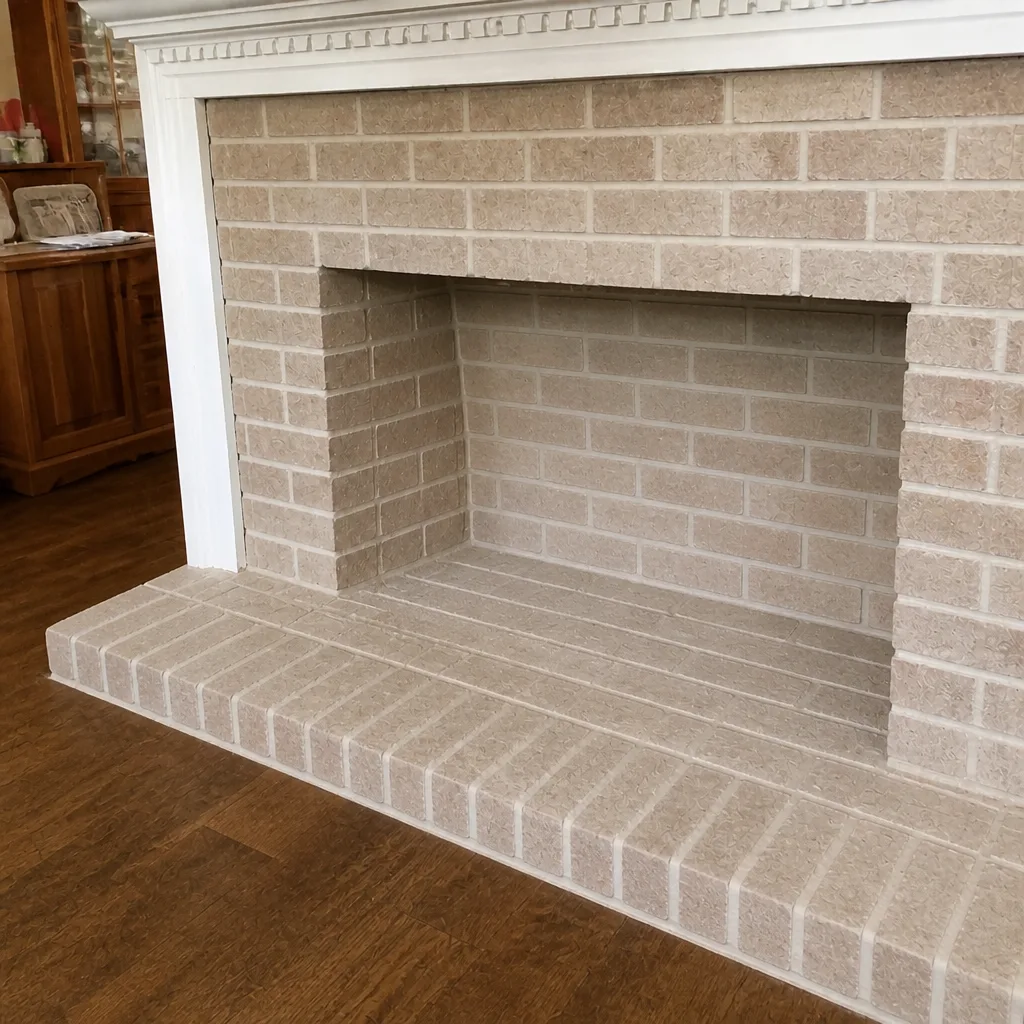
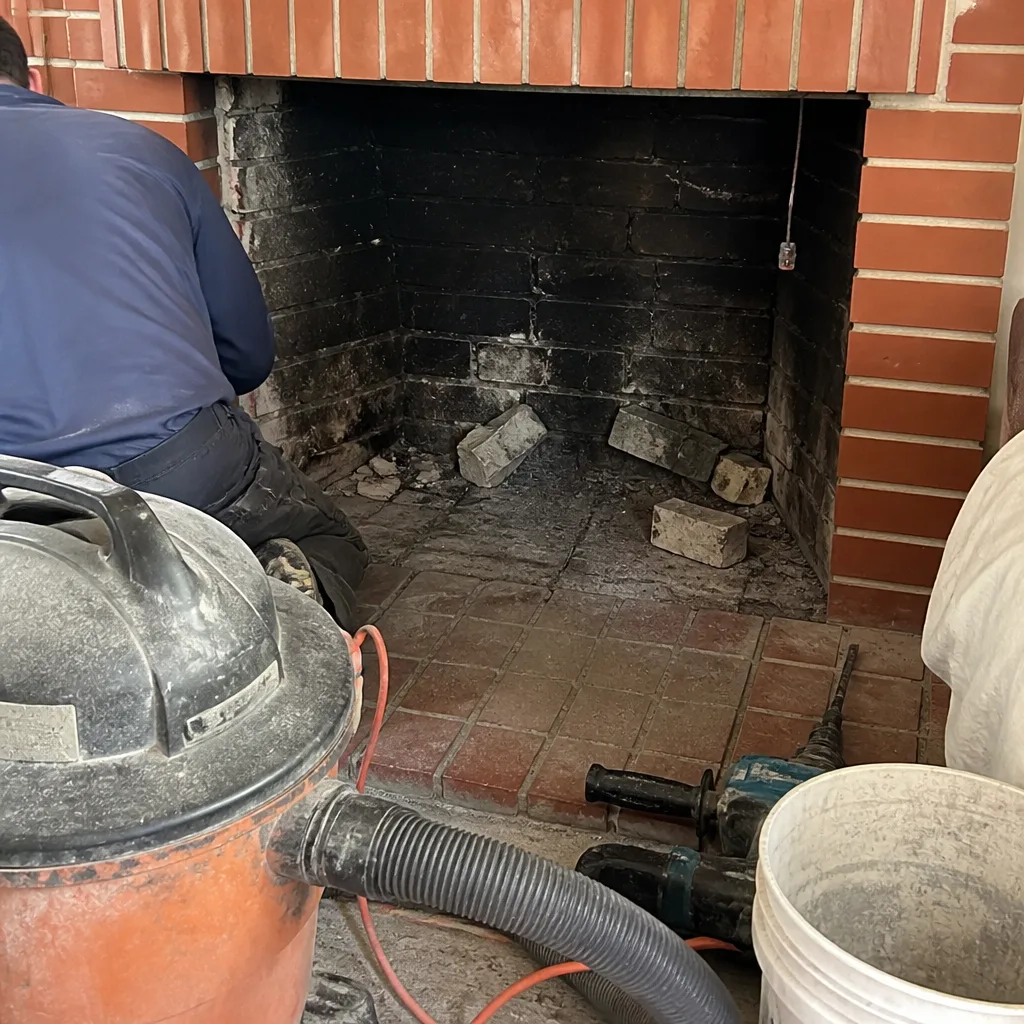
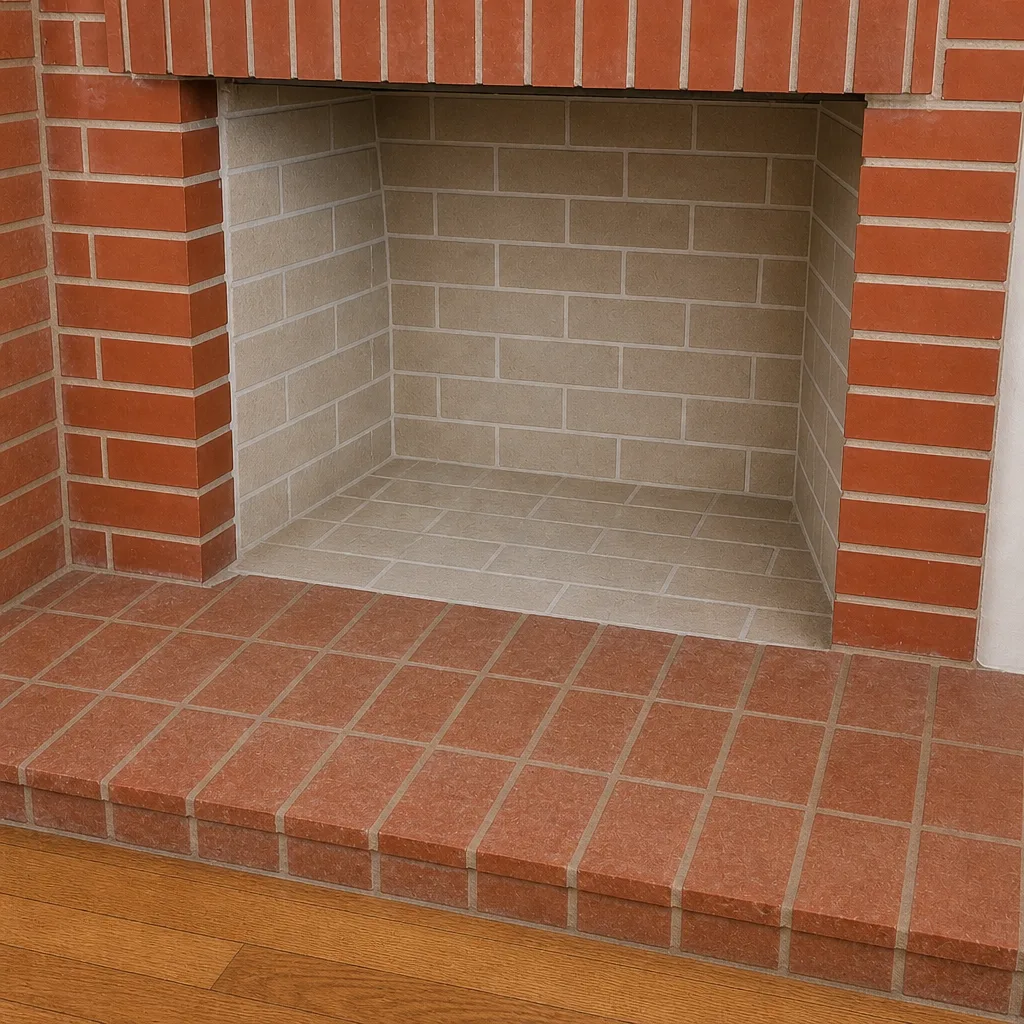
See the difference
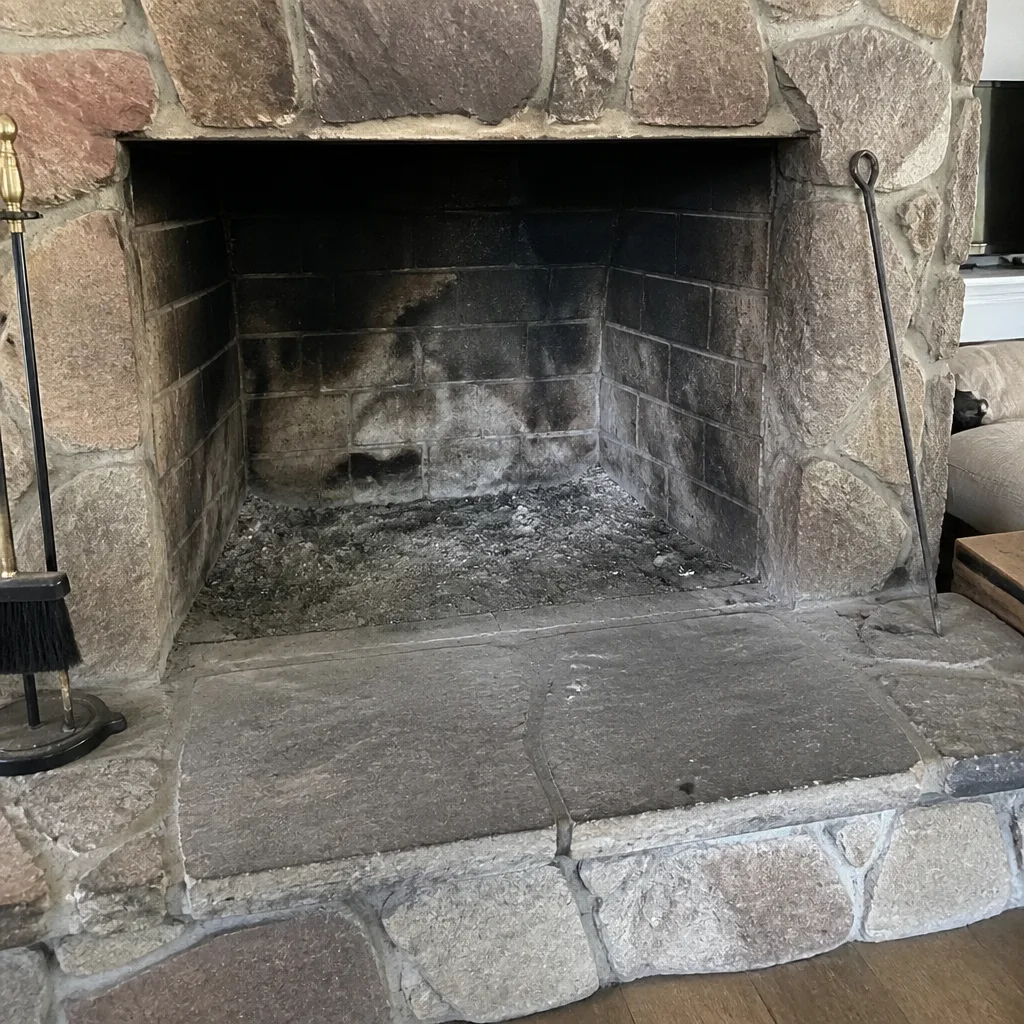 Before
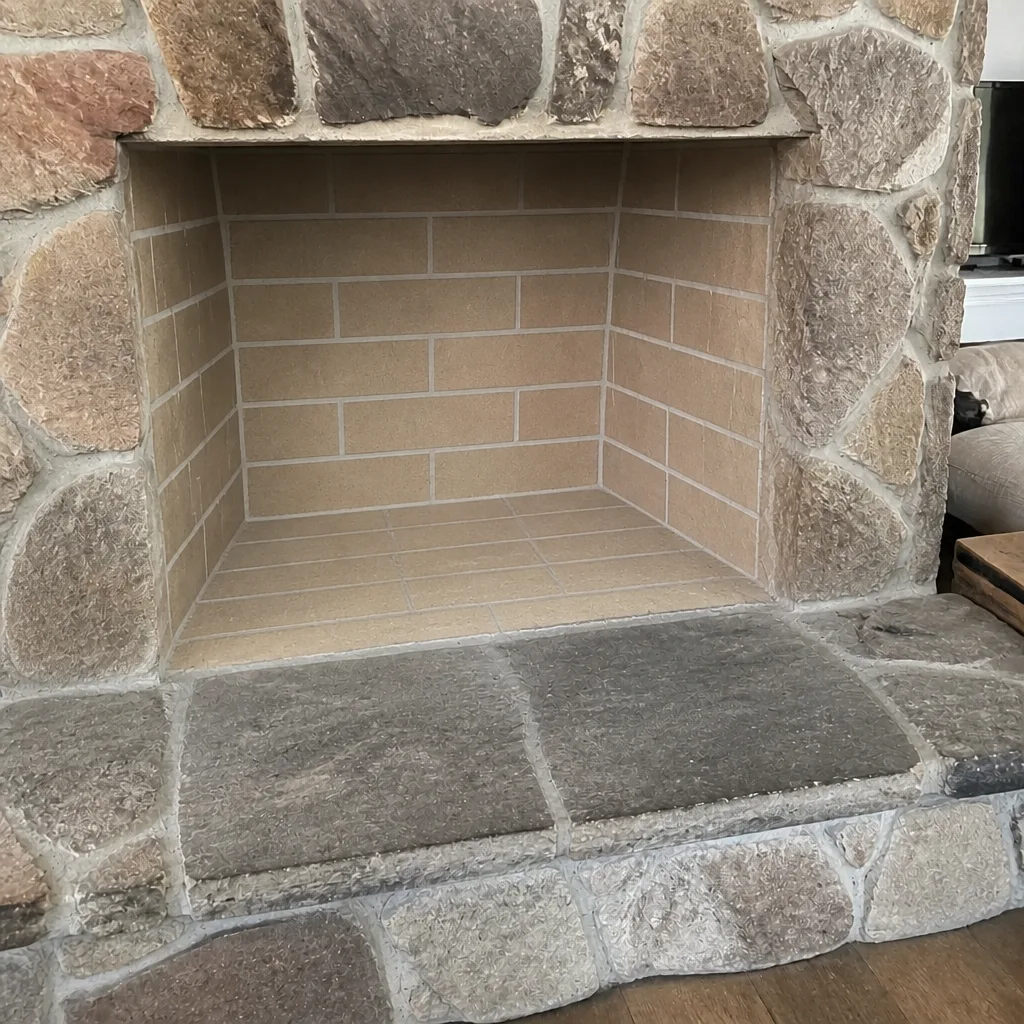 After
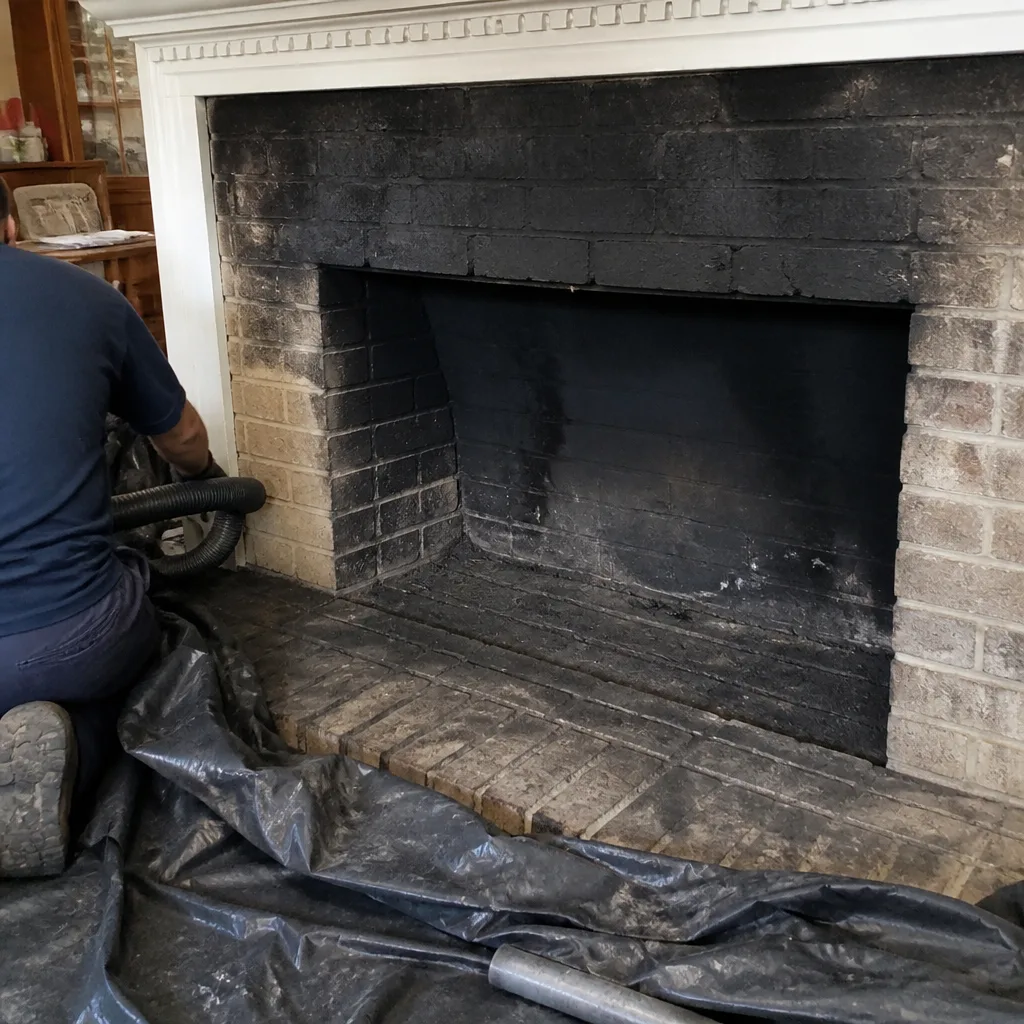 Before
 After
 Before
 After
When to Call a Professional
Some jobs are safe to handle yourself; most chimney work isn’t. Call a professional if you haven’t had the chimney inspected and swept in a year or more, if you burn wood regularly and creosote is likely building up, or if you’ve recently had a chimney fire or any visible soot inside the firebox. Call if you see water stains near the chimney, rust on the cap, a cracked crown, or a damper that won’t seal. Call if your fireplace smokes into the room when it’s windy. And call if your gas appliance hasn’t been inspected – carbon monoxide risk goes up when a flue isn’t clear.
The high-tension springs high on a tall roof and the height itself are dangerous; inspecting or repairing a chimney from a ladder is not a DIY job. A trained professional is the only safe option. Yorba Linda Chimney Sweep offers free estimates in Yorba Linda – call (877) 492-3104.
Frequently Asked Questions
The material grade, because it determines service life more than any brand label. For a Yorba Linda home, specify 304 stainless at minimum and step up to 316 if you want the longest life. Galvanized steel is a temporary fix, not a permanent cap.
We don’t recommend it. A flexible stainless liner has to be correctly sized, correctly positioned, and correctly terminated to work, and a liner that’s undersized or improperly installed can let combustion gases escape into the structure. This is safety-critical work. Call (877) 492-3104 for a free estimate.
Yes, when the liner is deteriorated but not fully failed. HeatShield restores a cracked or spalled flue liner from the inside without full liner tear-out, which saves money when the condition is right for it. A camera inspection tells you whether that’s your situation. If it isn’t, a DuraFlex stainless reline is the correct path.
Formulations like ChimneySaver and CrownCoat are the trade-standard choices because they’re built for exposed masonry and allow the crown to breathe. Generic retail patch often weathers out within a season or two. The application matters as much as the product, so surface prep and extended coverage are part of the job.
No. Legitimate creosote removers are maintenance aids that help between cleanings; they don’t remove a heavy glazed deposit. If a product claims it eliminates the need for a sweep, it’s overpromising. The fire risk in a glazed chimney is real. Call (877) 492-3104 to schedule a sweep.
Top-mount if downdraft from canyon wind, smoke roll-out, or idle air loss is your actual problem – it seals the whole flue at the top. Throat-mount is a solid, economical choice for a heavily used fireplace that isn’t affected by downdraft. Either way, it must be listed for your flue size and fuel type.
The Bottom Line
Brand names are a starting point, not a buying decision. On every component that matters – cap, liner, crown coating, damper – the question that actually protects your home is the material grade and the application rating. Galvanized gives way to 304 stainless. Aluminum has no place in a wood flue. HeatShield can save a deteriorated liner from full replacement. Crown coating beats crown patching every time. And no creosote product removes the need for a real sweep. Yorba Linda’s sun and seasonal rain make those choices matter, and a professional who shows you camera evidence and names the material is the one worth trusting.
Get a Free Chimney Evaluation
If you’re not sure what your chimney needs, the answer starts with an inspection. Yorba Linda Chimney Sweep offers free estimates in Yorba Linda and handles sweep, inspection, fireplace repair, chimney repair, and cap and crown installation with professional-grade materials – DuraFlex, HeatShield, Gelco, Olympia Chimney, Famco, and Copperfield. Our technicians have up to 9 years of experience. From sweep to repair to cap, it’s one team and no hand-offs. Call (877) 492-3104. We answer 24/7. Fast dispatch from 7am to 7pm, Sunday through Friday.
Written by the team at Yorba Linda Chimney Sweep.