
Last updated November 25, 2026
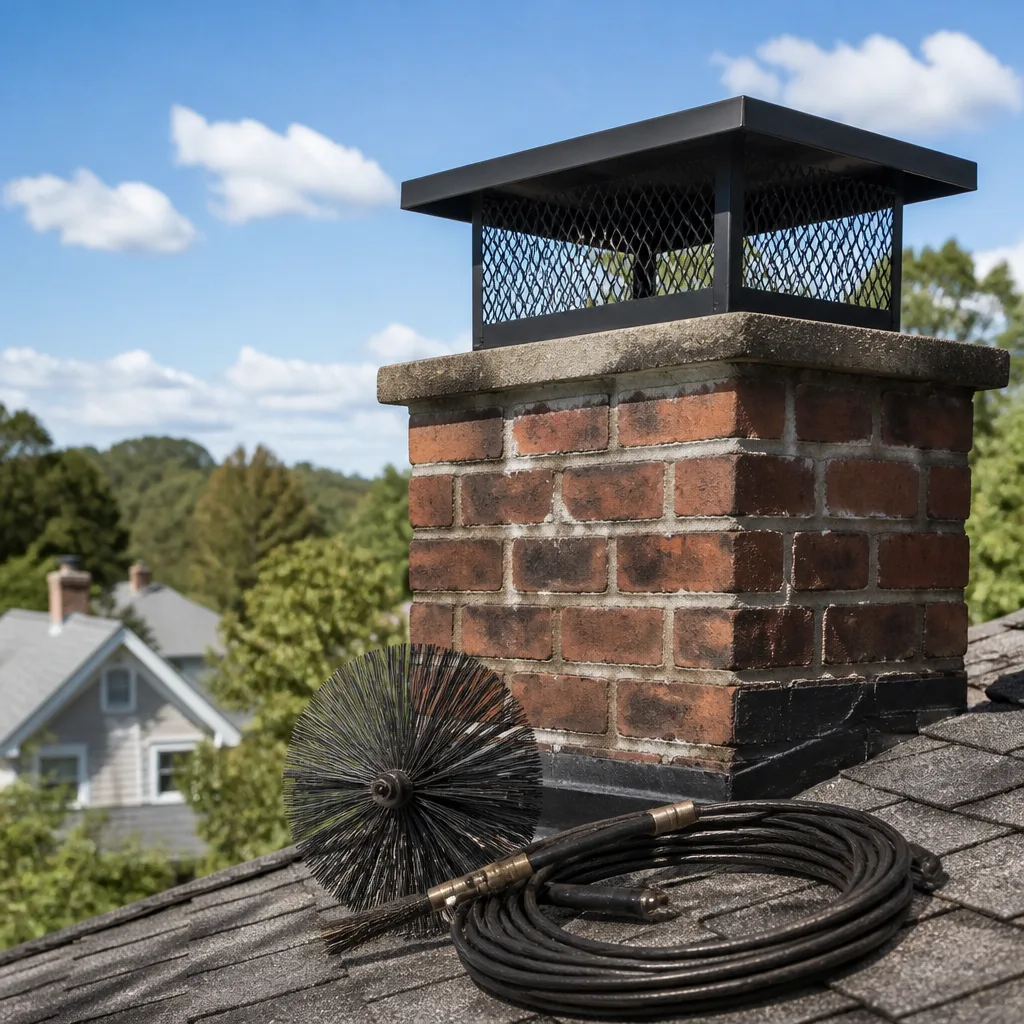 Sweep & inspection
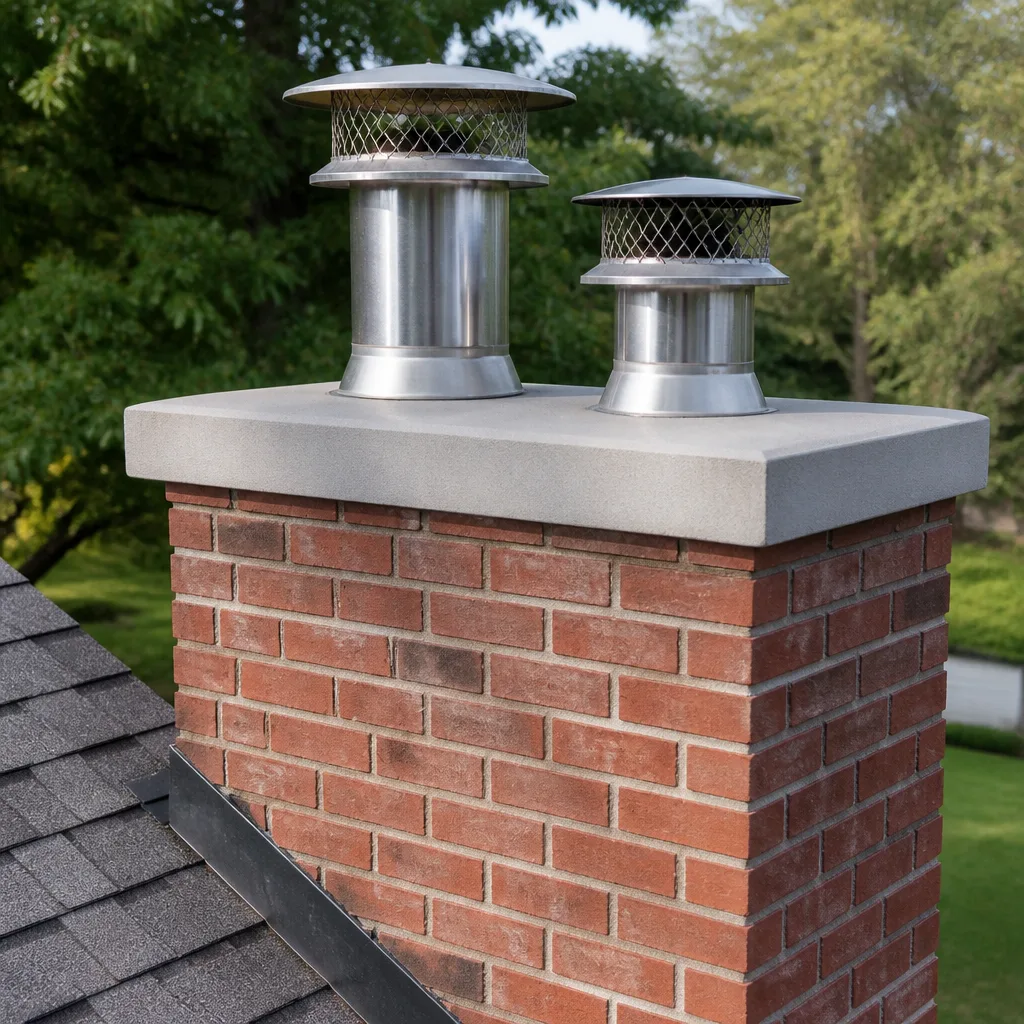 Caps & crowns
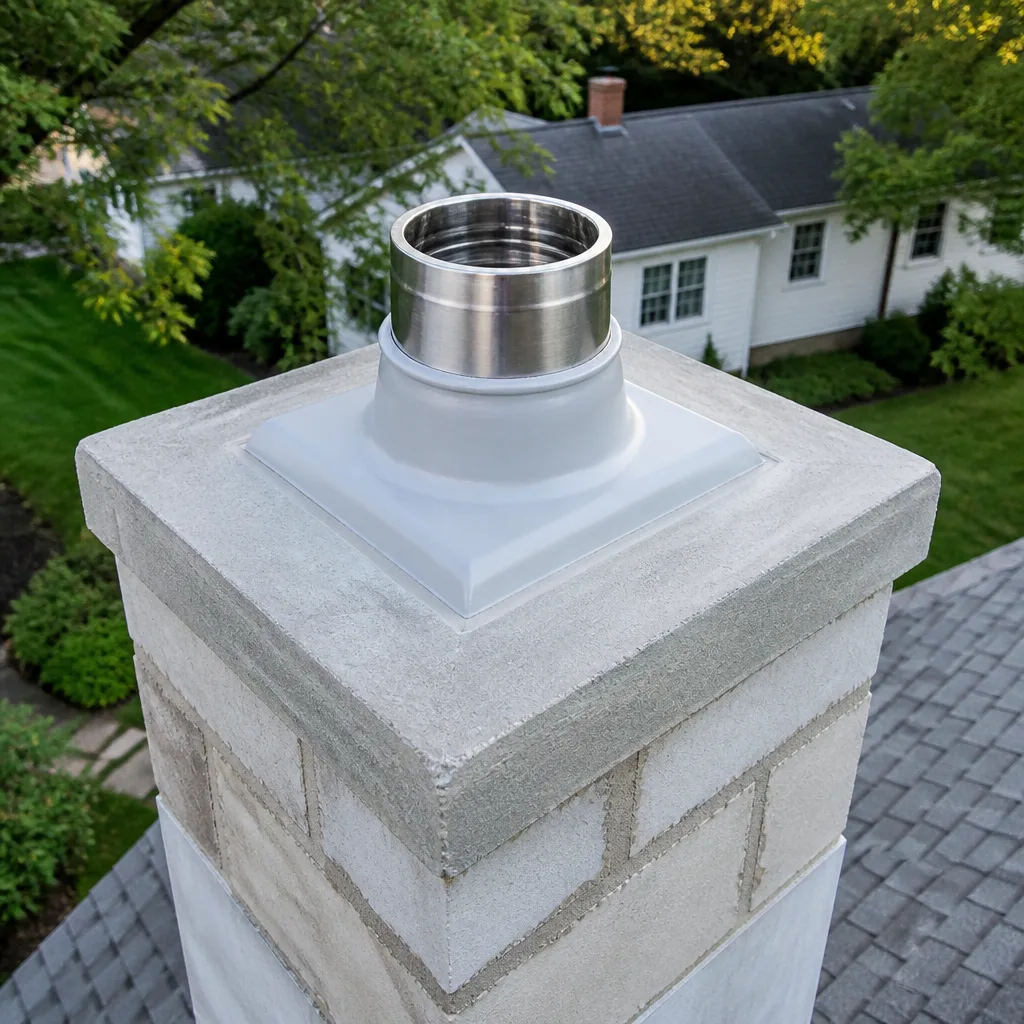 Flue relining
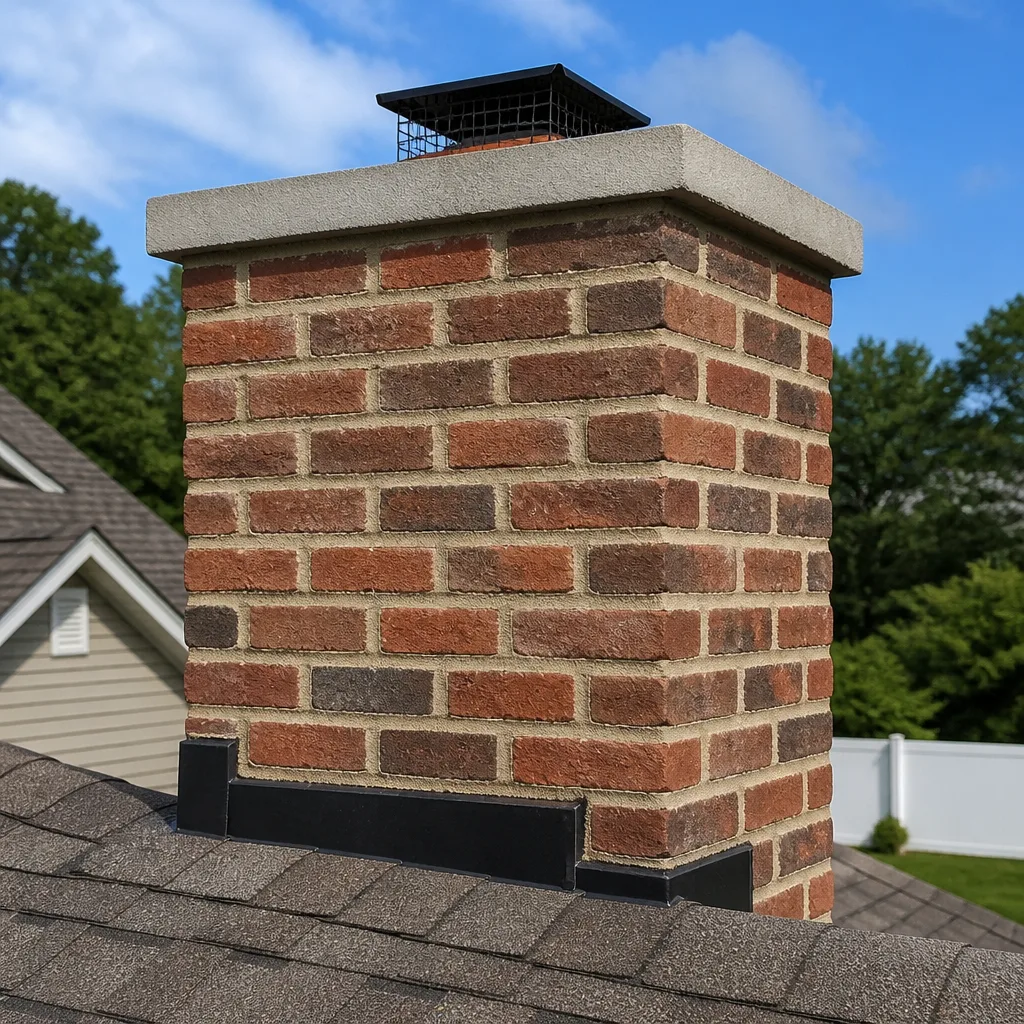 Masonry repair
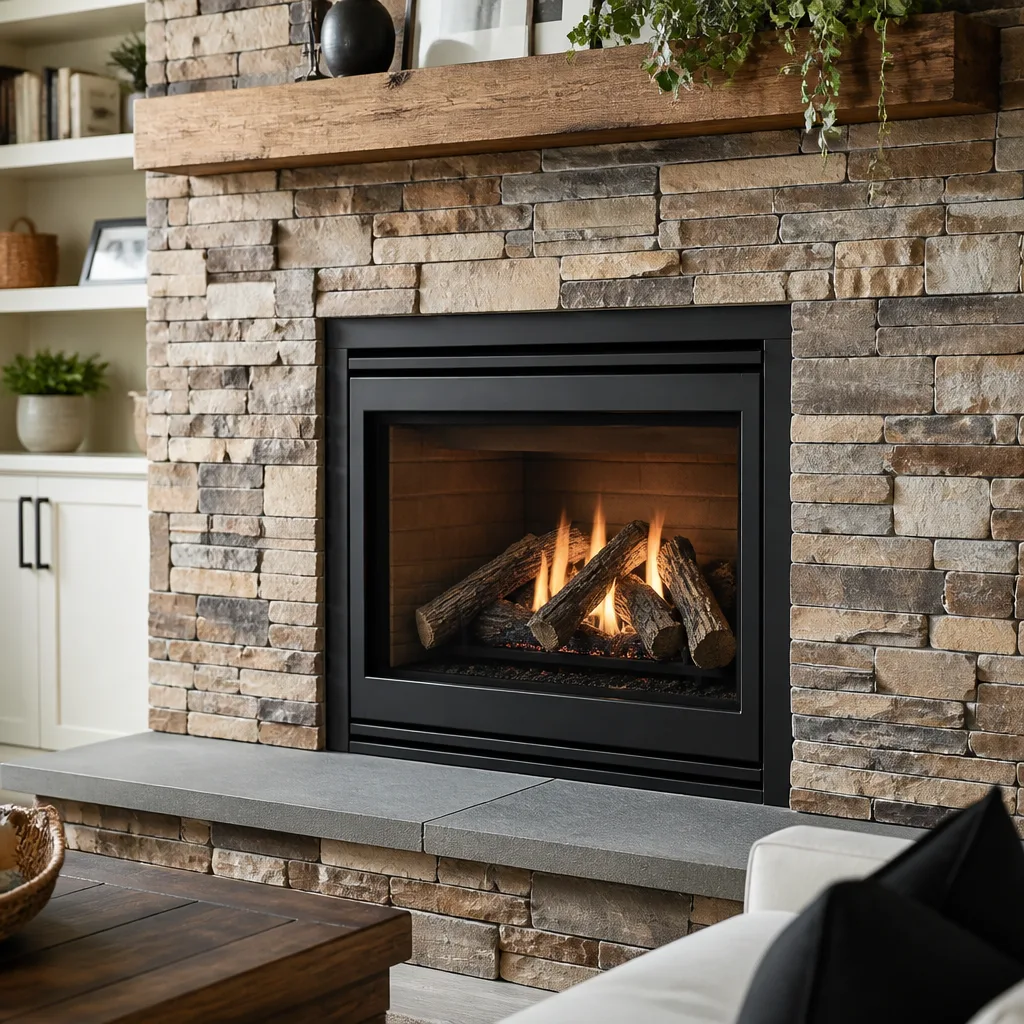 Gas fireplace service
Level 1 sweep and inspection to the NFPA 211 annual standard - flue, crown, cap, and flashing checked and photographed
Chimney sweep logs do not sweep chimneys. They loosen some creosote - which then falls where a brush and vacuum still have to collect it.
The Complete Guide to Chimney Cleaning in Yorba Linda
Most Yorba Linda homeowners light their fireplace fewer than fifteen times a year. That sounds like good news for a chimney. It usually isn’t. A fireplace that sits idle for nine months and then burns hot for a few December evenings builds creosote in slow, uneven layers, and the long dormant stretch in between gives moisture and debris months to settle in. Cold-climate chimneys stay busy and get swept on a steady rhythm. Yorba Linda chimneys go quiet, and quiet is where problems hide. This guide walks through what a real sweep does inside your flue, what discount outfits skip, why wildfire smoke matters even if your firebox never sees a match, and how local roof construction changes what your chimney needs.
Quick Answer
Chimney cleaning in Yorba Linda means more than brushing soot out of a firebox. A proper service includes a full flue sweep, a camera look at the liner, and a structured inspection that checks for creosote glaze, water intrusion, cracked flue tile, and a failing cap or crown. Most homes here need a sweep once a year when they burn regularly, and an annual inspection even in years the fireplace stays cold. The right contractor inspects before recommending repairs, and our team does exactly that. Call (877) 492-3104 for a free estimate. We answer 24/7. Fast dispatch from 7am to 7pm, Sunday through Friday.
Styles & brands we work with
- Sweep & inspection
- Caps & crowns
- Flue relining
- Masonry repair
- Gas fireplace service
Table of Contents
- Why Low-Use Fireplaces in Yorba Linda Develop Unique Problems
- chimney sweep: What a Professional Actually Does
- What a Discount Sweep Skips
- Wildfire Smoke and Ash Infiltration in Yorba Linda
- How Stucco and Spanish Tile Roofs Affect Your Chimney
- Inspection Levels Explained: When Each One Applies
- What Chimney Cleaning Typically Costs in Yorba Linda
- How Often Should You Schedule Cleaning?
Why Low-Use Fireplaces in Yorba Linda Develop Unique Problems
A chimney in Minnesota runs every night from October through March and gets swept on a schedule because everybody knows the routine. A chimney in Yorba Linda might see a handful of fires around the holidays and nothing the rest of the year. That pattern creates a very different set of issues, and most national chimney advice doesn’t account for it.
Here’s what actually happens. In low-use fireplaces, wood burns in short bursts. The flue doesn’t get hot enough, long enough, to burn off the softer first-stage creosote that builds up in the smoke chamber and upper flue. That creosote dries out during the long hot, dry season into a flaky, brittle crust that loosens and drops back down into the smoke shelf. When you finally light the first fire of the fall, you’re starting with a flue that’s already coated, and the new burn adds to it.
There’s a second factor that catches people. Your air conditioning runs most of the summer, and the house stays closed. Chimneys draw air even when idle, so the flue acts like a slow vent. That draws in dust, pollen, and the fine ash that drifts through the Yorba Linda area during fire season. It settles on the smoke shelf and the damper and gets wet from any small roof leak, forming a paste that hardens into a sticky layer over the off months.
- Uneven creosote buildup: Short, hot burns followed by long dormancy trap soft creosote before it can combust off, so it glazes in later stages.
- Dormant-season moisture: A closed house in dry heat still gets humid stretches, and any pinhole in the cap or crown lets moisture into a flue that isn’t drying itself out with regular fire.
- Settled debris on the smoke shelf: Soot, leaves, and ash that drift in during the off-season pile up where the smoke has to pass.
- Pest and animal access: Idle chimneys with a missing or damaged cap become nesting sites for birds and small animals, and their nesting material blocks airflow.
None of this shows up on a visual check from the fireplace opening. It takes a proper sweep with a rotary brush and a camera to see what’s happening up the flue. That’s the difference for Yorba Linda homes, and it’s why an annual inspection matters more than fire count.
chimney sweep: What a Professional Actually Does
A real chimney sweep is a four-part job, and every part matters. If someone brushes your firebox and leaves without a camera or a written report, you didn’t get a sweep. You got a surface cleaning.
Here’s the process our technicians follow on a Yorba Linda home, from arrival to walkthrough:
- Setup and containment. Drop cloths on the hearth, a HEPA vacuum running at the firebox, and a sealed cleaning access so no soot escapes into the room. Proper containment is what separates a clean sweep from a mess you’re still wiping up next week.
- The flue sweep itself. A rotary brush sized to your flue, worked from the top down or bottom up depending on the chimney’s configuration. This is the actual cleaning. It scrapes creosote off the flue walls, dislodges glaze where possible, and clears the smoke chamber.
- Camera inspection of the flue liner. A video camera on a flexible rod goes down the flue so we can see cracks, spalling in the flue tiles, gaps at the joints, and any glazed creosote the brush can’t move. We show you the footage, not just a verbal summary. Nothing is recommended that you can’t see for yourself.
- Smoke chamber, damper, and firebox check. The smoke chamber gets special attention because it’s the narrow throat between the firebox and the flue where smoke swirls before heading up. A rough, unparged smoke chamber is a fire hazard no amount of flue brushing fixes.
- Exterior inspection from the roof. Cap, crown, flashing, and the top few courses of brick. Water damage almost always starts here.
- Written report and photo evidence. A clear summary of what we found, what needs to be done next, and what can safely wait.
On a Yorba Linda chimney with heavier glaze or a rough smoke chamber, we may bring HeatShield into the plan. It’s a resurfacing compound that restores a cracked or spalled clay flue liner to a smooth, sealed surface without tearing the liner out. That’s a repair most sweep-only services can’t offer, and it’s often the difference between an inexpensive fix and a full reline.
What a Discount Sweep Skips
A cheap sweep is genuinely cheap for one of two reasons. Either the person doing the work isn’t equipped or trained for the full job, or the low price is bait for a repair upsell you can’t verify. Both are worth understanding before you hand someone a ladder.
Here’s what a discount sweep commonly leaves out:
- No camera. A flue inspected by flashlight from the bottom only shows the first few feet. Cracks, gaps, and glaze higher up are invisible without a camera. If nobody puts a lens down your flue, you have no idea what’s actually in there.
- No rotary brush. A hand brush can’t remove glazed creosote. A rotary brush can. If the “sweep” is a hand brush and a shop vac, the glaze stays.
- No smoke chamber work. The rough, corbelled brick of a smoke chamber should be parged smooth to keep creosote from collecting in the corners. Skipping that step leaves a spot that gets worse every year.
- No exterior check. Caps and crowns fail quietly. If nobody goes on the roof, the first sign of a failing crown is often when a water stain shows up on your ceiling.
- No written report. Recommendations that only exist in a verbal conversation can’t be compared, can’t be verified later, and can’t be checked against what a second opinion tells you.
- No proof of what “needs” repair. A sweep-only outfit with no capability to repair has less incentive to overstate a problem. A sweep-only outfit that also has no inspection camera can’t tell you what’s actually wrong. Either way, you’re guessing.
The better question than “how much” is “what’s included.” When a discount sweep is $79 and a proper sweep is $200, the $79 sweep isn’t 60% cheaper. It’s a different service entirely, and it’s missing the parts that tell you whether your chimney is safe to burn.
Wildfire Smoke and Ash Infiltration in Yorba Linda
Here’s something most chimney guides don’t cover because most of the country doesn’t deal with it. Yorba Linda sits in an inland Southern California stretch that sees smoky air for periods most every fire season. Even if you never light a fire that year, ash and fine particulate settle into your chimney.
The bigger problem is the house’s own ventilation. A chimney is a passive vent. When the pressure inside the house dips (which happens every time a range hood, bathroom fan, or HVAC system runs), the chimney draws outside air into the house through the firebox and damper. During a smoke event, that means the same smoky air you’re trying to keep out finds its way in through the chimney. You may notice a faint campfire smell in a room that doesn’t have a fireplace burning. That’s usually the chimney doing exactly what chimneys do.
Ash settles on the smoke shelf, on top of the damper, and along the flue walls. It mixes with any creosote already there and with condensation from the occasional foggy morning. Some of it gets pulled back down into the room the next time the furnace cycles. Over a few fire seasons, the buildup is real.
What this means in practice for a Yorba Linda home:
- Annual inspection matters even with zero fires. Ash doesn’t have to come from your own burn to accumulate in the flue, and a camera is the only way to see it.
- The damper is your practical defense. Keeping it fully closed during smoke events slows the draw, though it doesn’t stop it entirely. A properly fitted chimney cap does the rest.
- A tight cap protects the top. A cap with a spark screen blocks debris, animals, and a big share of airborne ash. It also stops hot embers from landing on dry brush, which matters for a roof surrounded by the landscaping Yorba Linda is known for.
When we open a chimney in this area after a heavy fire season, we’re as likely to find ash and debris as we are creosote from the fireplace. Both are worth clearing.
How Stucco and Spanish Tile Roofs Affect Your Chimney
Yorba Linda’s tract homes and custom builds lean heavily on stucco walls and clay tile or Spanish tile roofs. It’s a distinctive look, and it changes how a chimney’s exterior fails compared to a shingle roof in other parts of the country.
Tile roofs are heavier and more fragile than asphalt shingles. A technician should know how to walk a tile roof without breaking tiles, and how to reset any tile that needs lifting to reach a chimney’s flashing. That’s basic competence for this area, and it’s something to ask about before anyone climbs up. A broken roof tile is a leak waiting to happen on a different part of the house.
The bigger story is the flashing layer. Where the chimney meets the roof, metal flashing should be layered under the tile or shingle above it and over the tile or shingle below it, sealed at each step. On houses with stucco, the stucco-to-chimney transition also gets sealed with a proper counter-flashing bead. When any part of that seal fails, water runs down the outside of the flue and soaks the brick or the stucco. If the outer wash of the chimney has also cracked, water gets into the masonry itself.
What catches these chimneys first:
- Crown cracks. The cement crown at the top of a chimney expands and contracts in the inland heat. Hairline cracks widen over a season or two and let water straight down into the flue.
- Failed flashing at the roof line. Step and counter-flashing seals fail over time, especially where stucco meets metal.
- Missing or damaged cap. A cap that’s blown off or bent lets rain in directly, and the flue has no way to dry out.
- Spalling brick. Once water gets into the masonry, it freezes and thaws across the small number of cold mornings this area actually sees, and the brick face flakes off. In a mild climate, the bigger damage is the ongoing moisture cycle itself.
Our chimney repair work here often starts at the crown and cap, not the firebox. Stopping the water at the top is usually the cheapest and most effective repair we make on a Yorba Linda home. That’s why chimney cap and crown installation is one of our core services, offered as a standalone job or bundled into a larger repair. Copperfield and Gelco products are the materials we reach for on the metal and sealing side because they hold up in this climate and match the flashing details that go with a tile roof.
Inspection Levels Explained: When Each One Applies
The chimney industry uses a three-level inspection framework, and knowing which level you need saves you money and confusion. Here’s how it works and when each level applies to a Yorba Linda home.
Level 1: Routine annual inspection. This is a visual check of the accessible parts of the system: firebox, damper, smoke chamber, flue (with a camera), cap, crown, and exterior. It’s what you get when you’re staying with the same appliance, haven’t had a chimney fire or a change to the system, and just need to know your chimney is safe to use this season. Almost every annual Yorba Linda chimney visit is a Level 1, paired with a sweep.
Level 2: Inspection for a change or an event. This adds camera access to areas that aren’t visible at Level 1, and a more detailed record of what’s found. You need a Level 2 when:
- You’ve just bought the home and don’t know its chimney history.
- You’re changing an appliance, switching fuels, or installing a new insert or liner.
- You’ve had a chimney fire, even a small one that put itself out.
- There’s been a weather event (high wind that may have shifted the cap, a small roof leak, or a nearby fire).
- You’ve had a change in how the chimney performs (draft issues, smoke rollback, odor).
Level 3: Inspection for a known problem. This is the deep diagnostic, used when there’s a specific concern that a Level 2 found, or that you suspect, and something needs to be opened up or accessed through a wall or roof to diagnose. If a Level 2 camera reveals a crack in the flue or evidence of a hidden leak, the Level 3 is what confirms the scope for a repair. Most homes never need one. When they do, the repair decision comes down to what the Level 3 found.
Our inspection service is a named, structured offering, not a tacked-on add to a cleaning. When we come out, you know which level you’re getting, and the report tells you what it found.
What Chimney Cleaning Typically Costs in Yorba Linda
Chimney cleaning in Yorba Linda runs from about $175 to $350 for a standard single-flue sweep with a camera inspection, with more complex jobs (multiple flues, heavy glaze, difficult roof access) running higher. A Level 2 inspection with a full report runs $250 to $450. Repairs from a sweep range widely depending on what’s found, so the exact price for your home is set by the written estimate.
Here’s a rough map of typical Yorba Linda chimney service costs. These are typical estimates only, and your written quote sets the final price:
| Service | Typical Range |
|---|---|
| Standard sweep with Level 1 inspection and camera | $175 – $350 |
| Level 2 inspection with written report | $250 – $450 |
| Chimney cap supply and install | $150 – $450 |
| Crown repair or rebuild | $350 – $900 |
| HeatShield flue liner resurfacing | $1,200 – $2,400 |
| DuraFlex full liner replacement | $2,800 – $6,000 |
| Partial flashing repair | $250 – $600 |
Two notes on how we work. First, the estimate is free, and the price is set per job by the written estimate, not by a phone guess. Second, if a sweep finds something, we show you the video before we recommend a repair, and if the work can safely wait until next season, we’ll tell you that. Some cracks and small crown issues are worth monitoring for a year. Some get worse every rainstorm. You should be able to see which yours is.
When the liner needs work, we work with two options. HeatShield resurfacing restores a liner with isolated cracks or spalling and keeps you from paying for a full replacement. DuraFlex flexible liners are the option when a liner is beyond resurfacing, when the flue path is complex, or when you’re upgrading a wood fireplace for a gas appliance. We also work with Olympia Chimney and Famco components where the job calls for them, and the same professional-grade materials are what we put in every installation. Our technicians have up to 9 years of experience across the sweep, inspection, fireplace repair, chimney repair, and cap and crown side of the work.
How Often Should You Schedule Cleaning?
Yorba Linda’s mild winters mean most homes fall into the low-use category, and the schedule is different from what national guides suggest for cold climates. Here’s a practical rhythm:
- Once a year if you burn regularly (more than a cord of wood per season, or gas logs running most evenings). Annual sweep and Level 1 inspection before the first fall fire.
- Once a year even if you burn rarely or never. The wildfire smoke, ash, and pest issues here justify an annual inspection regardless. The sweep itself can go every other year in a truly zero-burn home, but the inspection should still happen.
- After any known event. A chimney fire, a smoke event heavy enough to smell indoors, a nearby roof impact, or a cap that’s blown off. Book a Level 2.
- The season matters less than the gap. If it’s been more than eighteen months since the last sweep, book it now. Consistent scheduling is the only reliable way to catch a change early.
One more thing worth knowing: if a fire fails to light or smokes back into the room, don’t burn again until the chimney has been checked. A blocked flue or a draft reversal pushes carbon monoxide into the house rather than up the chimney. That’s the one scenario where waiting is genuinely the wrong call.
Common Mistakes to Avoid
- Assuming low use means no maintenance. Yorba Linda chimneys sit idle most of the year, which lets ash and creosote layer unevenly and moisture settle in. Assuming a light-use fireplace needs nothing is the single most common mistake we see here.
- Hiring a sweep without checking for a camera. A sweep who never puts a lens down the flue can’t see what’s happening in the flue liner. If you don’t get to see the footage, you don’t know what the recommendation is based on.
- Taking a repair recommendation on faith without seeing the video. Any reputable repair should be backed by a camera image you can look at yourself. If a contractor won’t show you the evidence, get a second opinion.
- Skipping the roof. Cap and crown failures are the leading cause of chimney water damage. A sweep that never goes on the roof isn’t checking the part that fails first.
- Waiting on a smoking fireplace. Smoke rolling back into the room isn’t normal and often points to a blocked flue, a cracked liner, or a draft problem. Stop burning and get it checked.
- Letting an uncapped chimney sit through fire season. Ash and debris settle in from above. A cap with a spark screen is a small cost that blocks a recurring problem.
- Choosing a sweep based solely on price. A $79 sweep skips the camera, the smoke chamber work, and the exterior inspection. You’re not getting a cheaper version of the same service. You’re getting a smaller one.
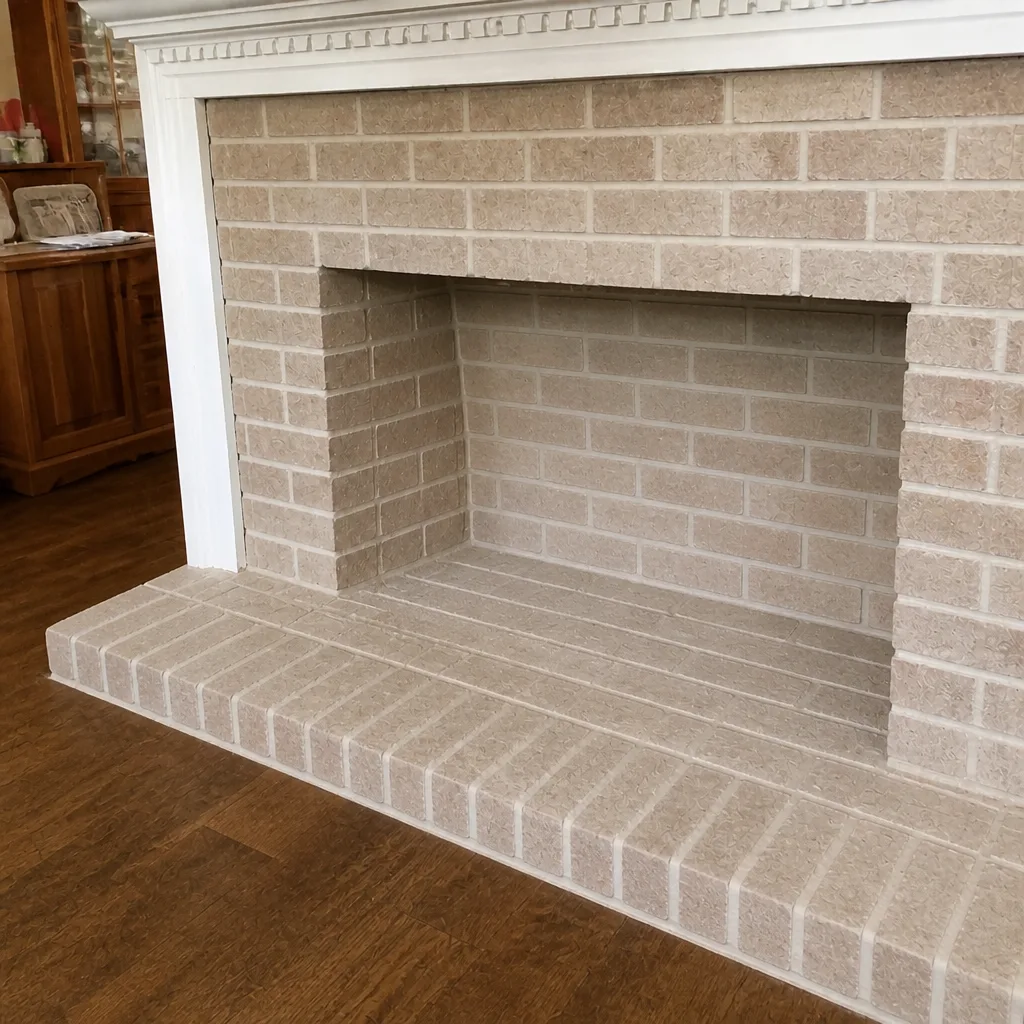
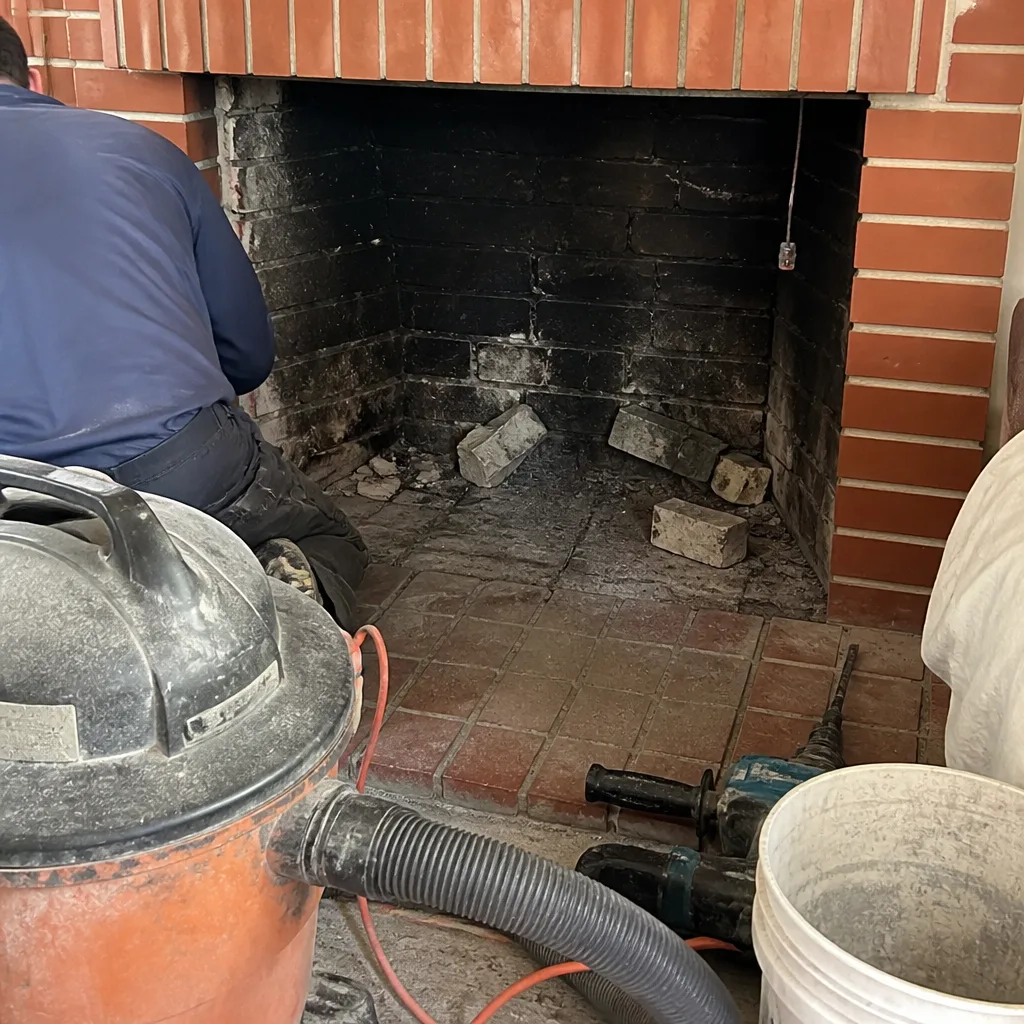
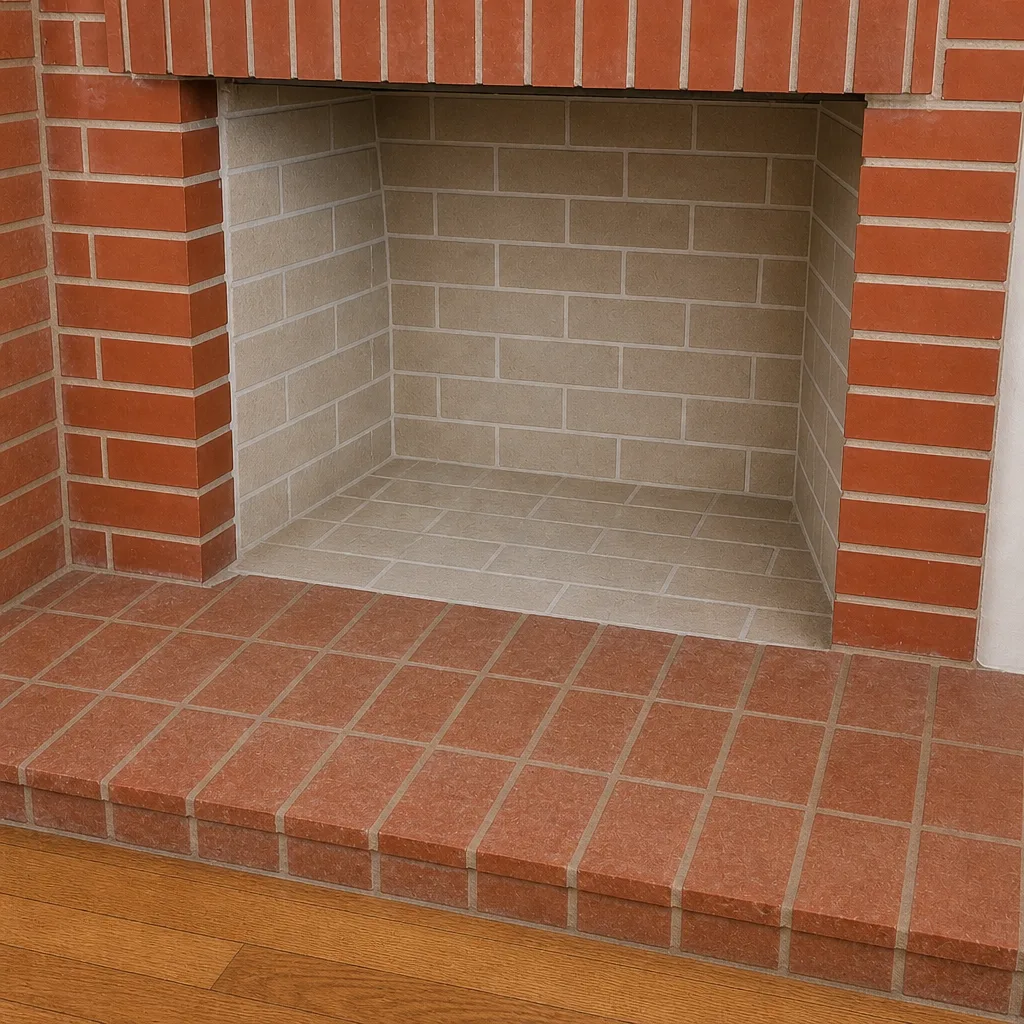
See the difference
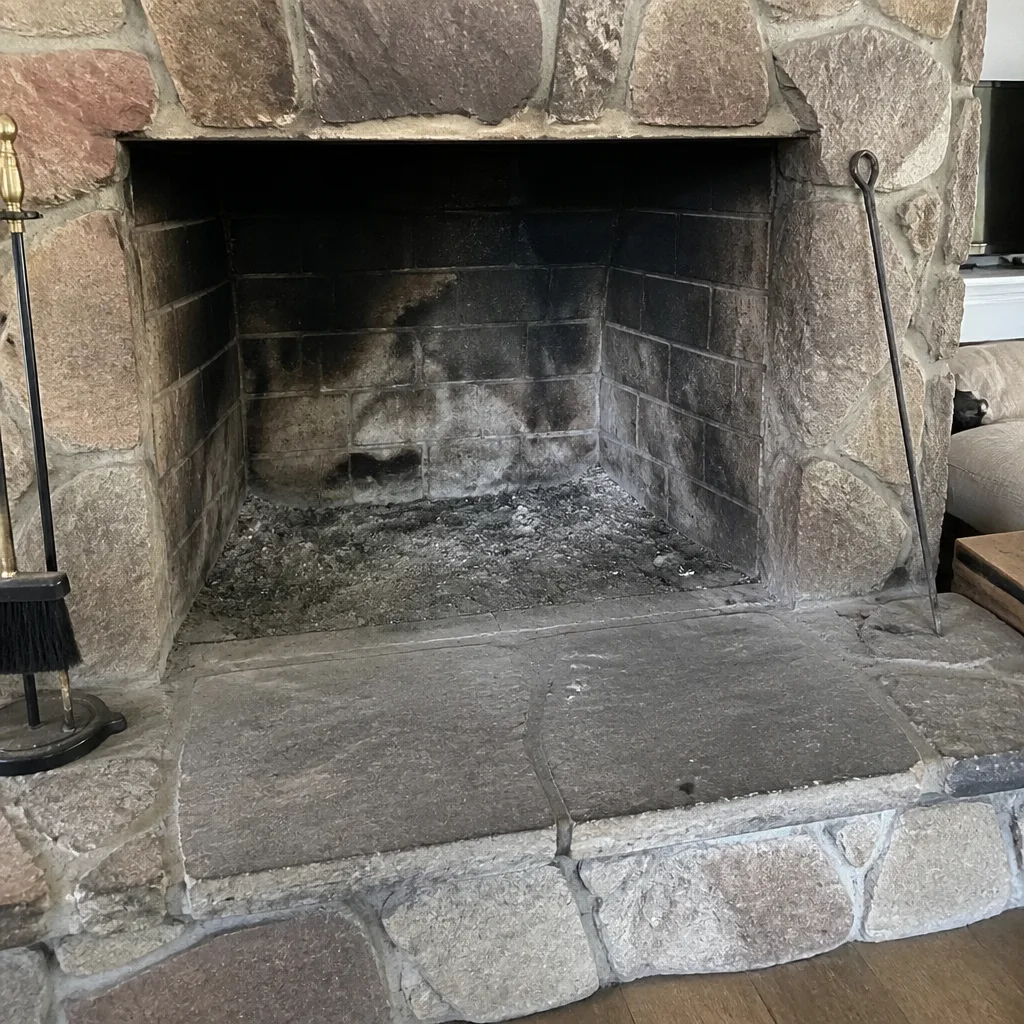 Before
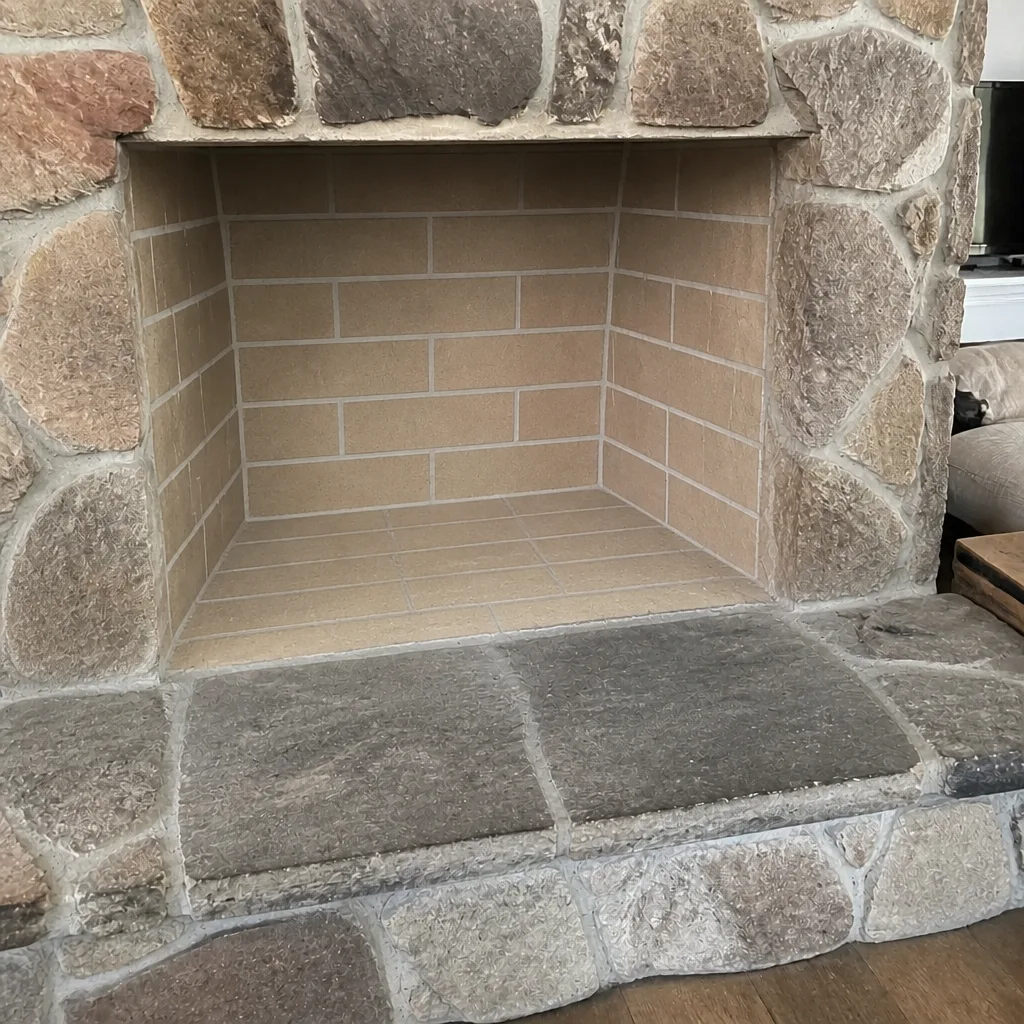 After
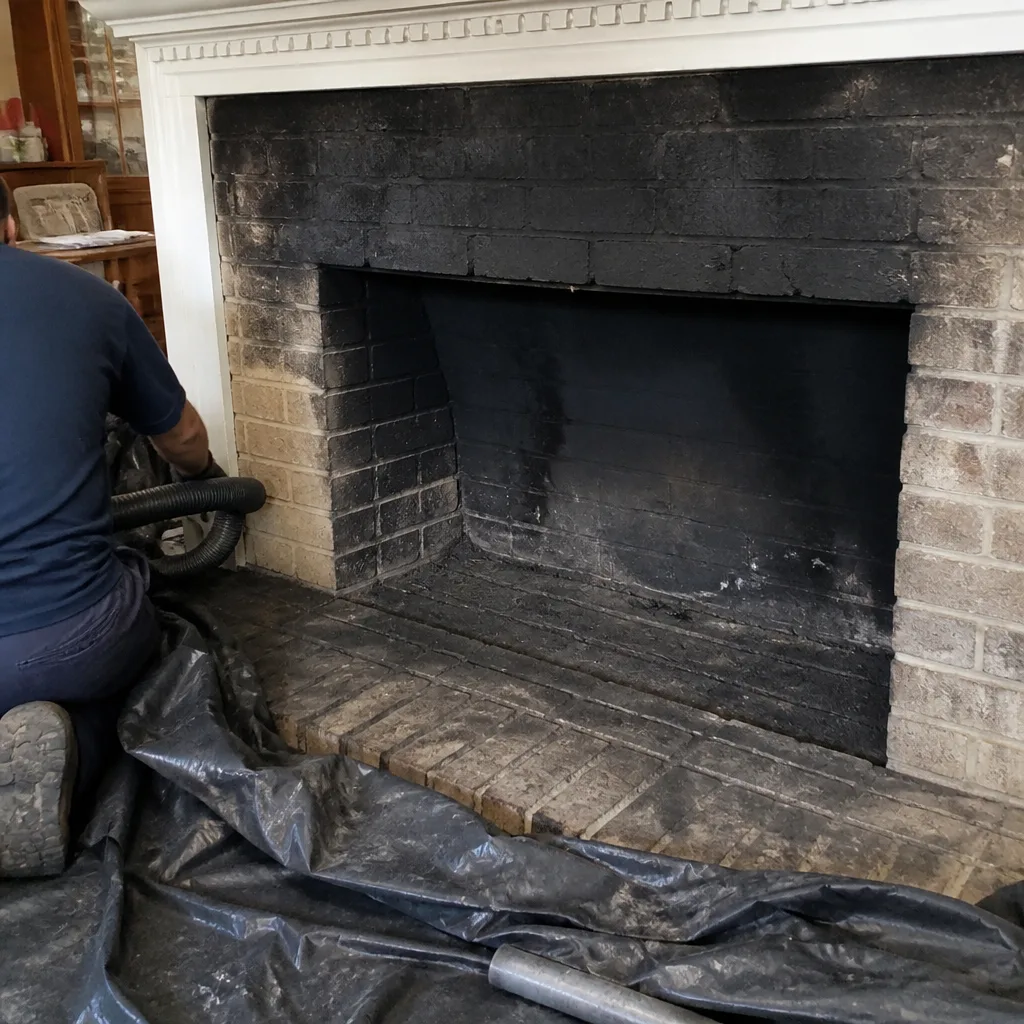 Before
 After
 Before
 After
When to Call a Professional
You should call us if any of the following is true: your chimney hasn’t been swept in more than a year, you’ve just bought a Yorba Linda home and don’t know its chimney history, you’ve had a chimney fire or noticed signs of one (creosote that looks puffy or glazed, cracked flue tiles inside), your fireplace smokes back into the room, you smell chimney odor even when nothing’s burning, you see water stains on the ceiling or the chimney breast, or your cap is loose, missing, or bent. Those are all signs of something that a sweep and inspection will clarify. Yorba Linda Chimney Sweep offers free estimates in Yorba Linda. Call (877) 492-3104. We answer 24/7. Fast dispatch from 7am to 7pm, Sunday through Friday.
Safety First on the Things You Shouldn’t Touch Yourself
Two parts of a chimney system are genuinely dangerous to work on without training. The first is the roof. Tile and stucco roofs here are slippery and fragile, and a fall is a serious injury. The second is the flue interior, where glazed creosote, cracked tile, and a firebox under load present real risks to anyone reaching in with hand tools. We’re not going to give you a DIY walkthrough for either. What you can safely do is keep the damper closed when you’re not burning, check that a cap is still in place, look at the chimney from the ground for obvious crown cracks or missing cap pieces, and stop burning if something feels wrong. Everything past that is a job for a trained technician with the right brush, the right camera, and the right materials.
Frequently Asked Questions
A standard sweep with a Level 1 inspection and camera in Yorba Linda typically runs $175 to $350, and a Level 2 inspection with a written report runs $250 to $450. Repairs are quoted separately based on what the camera finds, and the written estimate sets the final price. Call (877) 492-3104 for an exact quote. Estimates are free.
Not always. Many liners can be restored with HeatShield resurfacing rather than replaced, especially when the cracks are isolated or the spalling is limited. Full liner replacement with a DuraFlex system is the right call when the liner is beyond resurfacing, when the flue has gaps at the joints, or when you’re upgrading to a different appliance. The right answer depends on what the camera shows, and we show you the footage before recommending anything.
Once a year if you burn regularly, and once a year for inspection even if you rarely light a fire. The low-use pattern in Yorba Linda lets ash and creosote layer unevenly, and wildfire-season ash settles in regardless of whether the fireplace has been used. If it’s been over eighteen months since your last sweep, book one now.
Creosote builds up in layers, and the glazed stages are flammable. A chimney fire can start in a glazed flue and burn hot enough to crack the flue tiles and reach the structure around the chimney. Skipping sweeps also means a cracked liner or a failing cap can go unnoticed until you have a water stain or a smoke issue, and those repairs cost more than a sweep would have. If it’s been a while, get it checked.
It still needs an inspection. Yorba Linda’s wildfire smoke and ash seasons push fine particulate into idle chimneys through the passive draft, and that ash settles on the smoke shelf and damper. Pest access through an uncapped flue is another reason a yearly check is worth doing even in a zero-burn home. Call for a sweep or inspection quote.
Coverage depends on your policy and the cause of the damage. We can work with your insurer and provide the documentation and photos you need to file a claim, but the coverage decision is theirs. For a damage-related repair, get the inspection and written report first so you have something concrete to submit. Call (877) 492-3104 to get started.
The Bottom Line
Chimney cleaning in Yorba Linda isn’t about soot removal. It’s about managing a low-use fireplace in a climate that alternates long dry dormancy with smoke-heavy fire seasons, on a roof built from tile and stucco that fails differently than a shingle roof in a cold climate. A proper sweep includes a camera look at the liner, a smoke chamber inspection, and a roof check, plus a written report you can actually use. An annual inspection matters even in a year you never light a fire. When a repair is needed, you should see the evidence before you approve it, and if it can safely wait, you should be told so. That’s the standard we hold ourselves to in every Yorba Linda home we visit. Our technicians have up to 9 years of experience across sweep, inspection, Yorba Linda Chimney Sweep, fireplace repair, chimney repair, and cap and crown work. Call (877) 492-3104 for a free estimate. We answer 24/7. Fast dispatch from 7am to 7pm, Sunday through Friday.
Written by the team at Yorba Linda Chimney Sweep.