
Last updated November 25, 2026
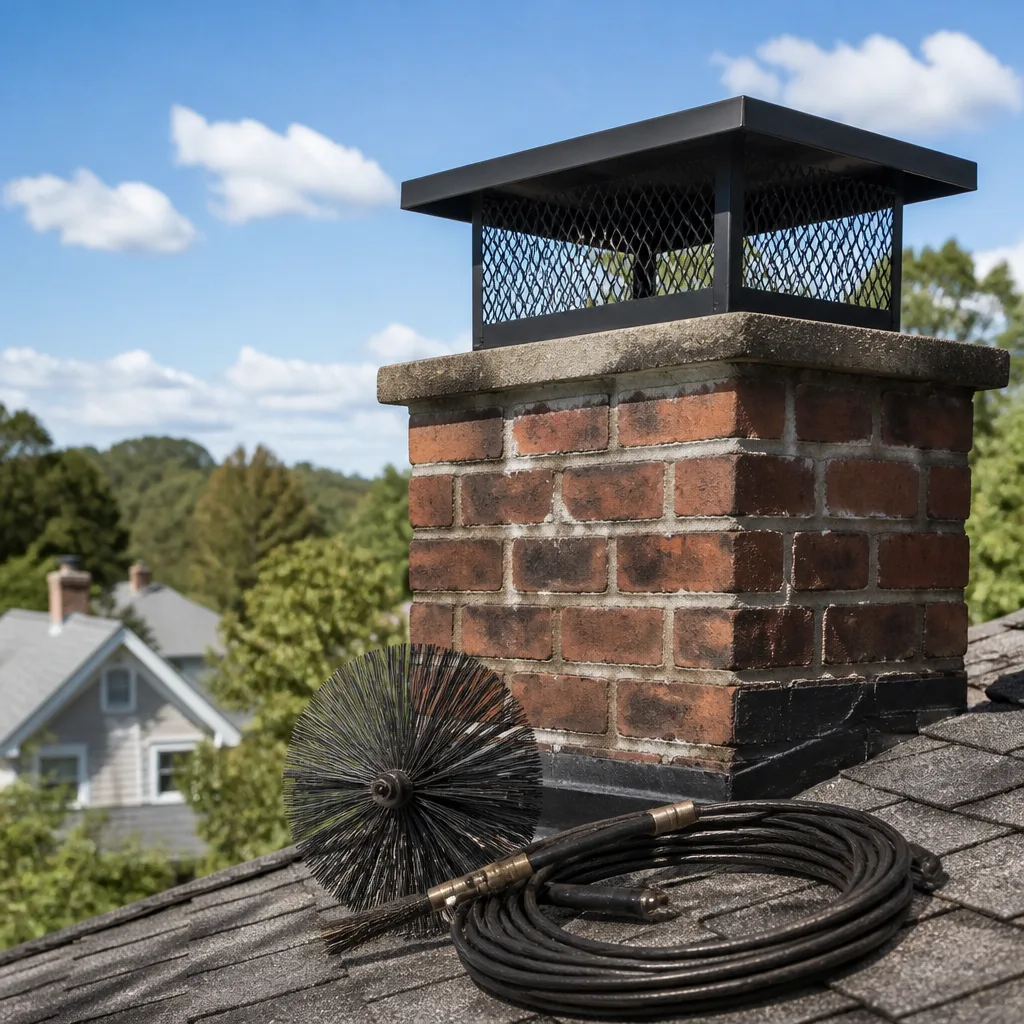 Sweep & inspection
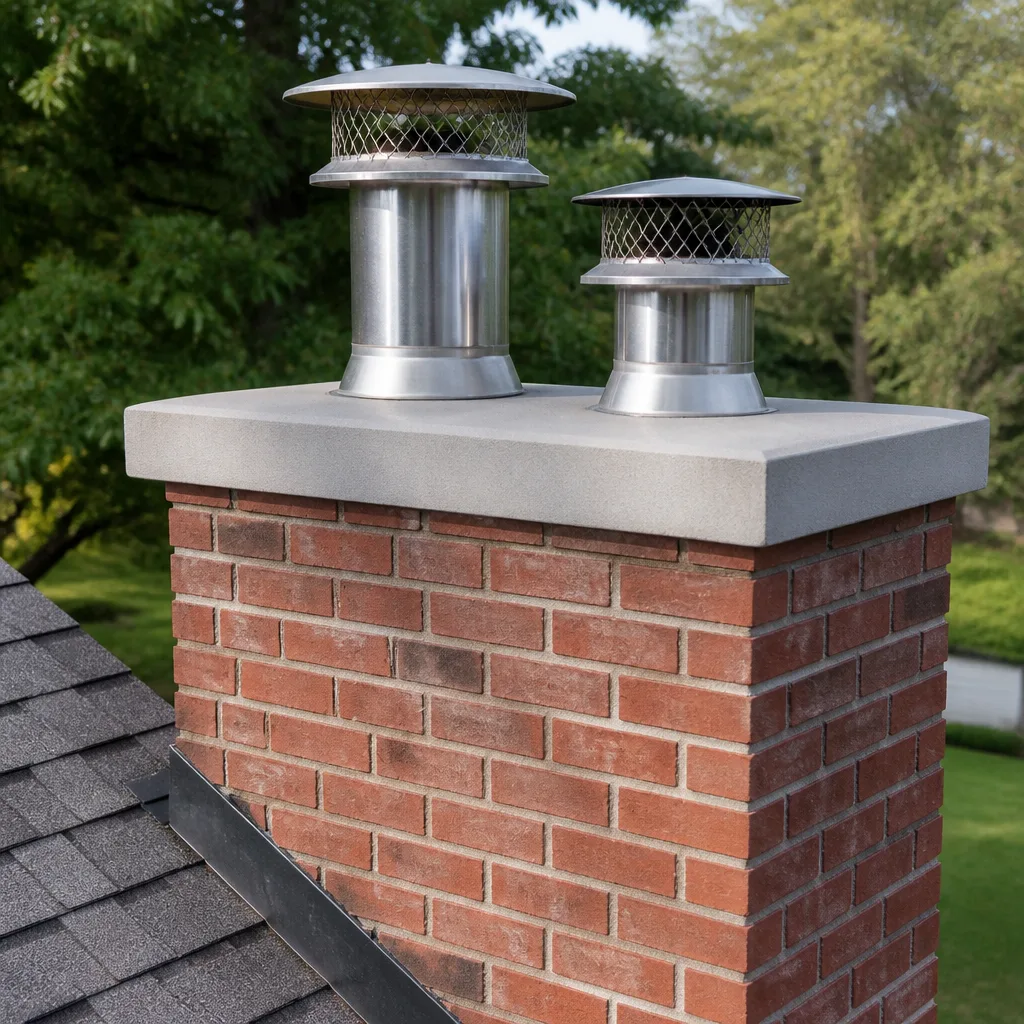 Caps & crowns
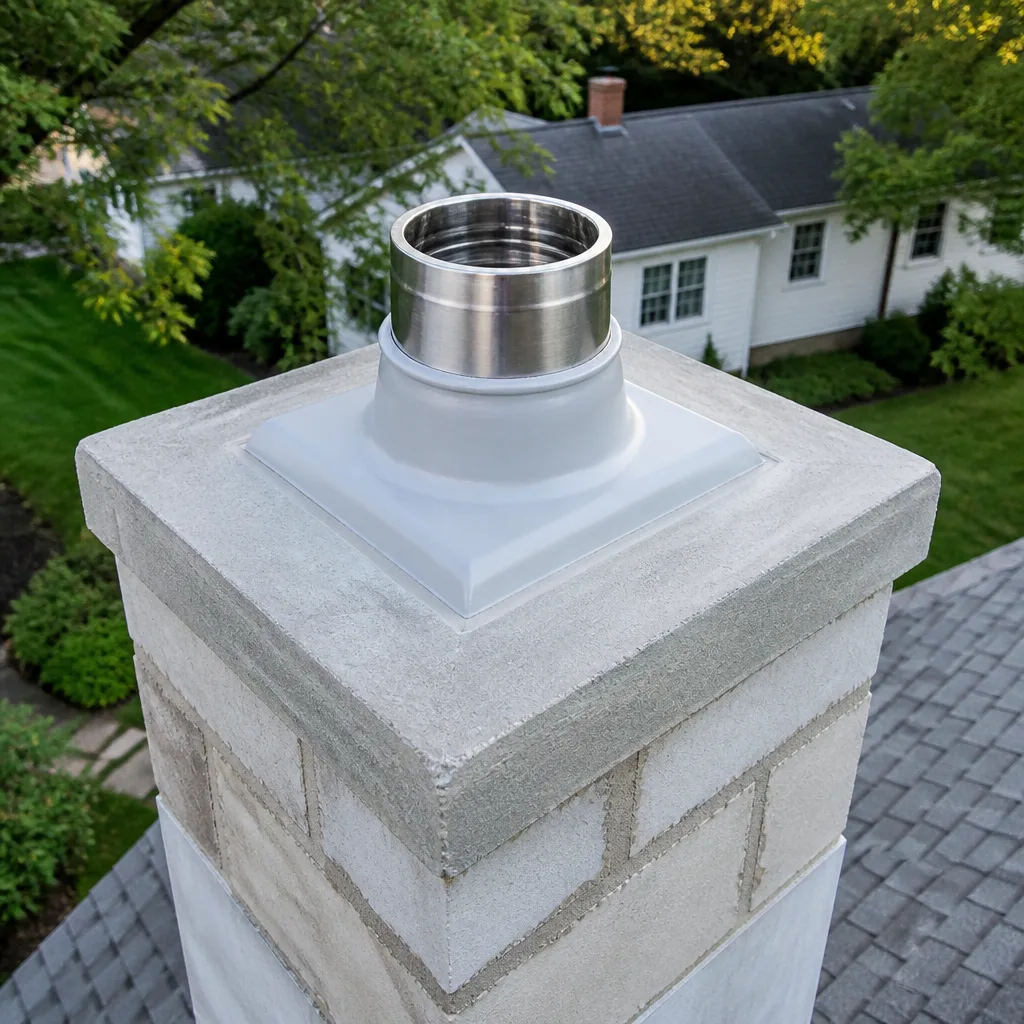 Flue relining
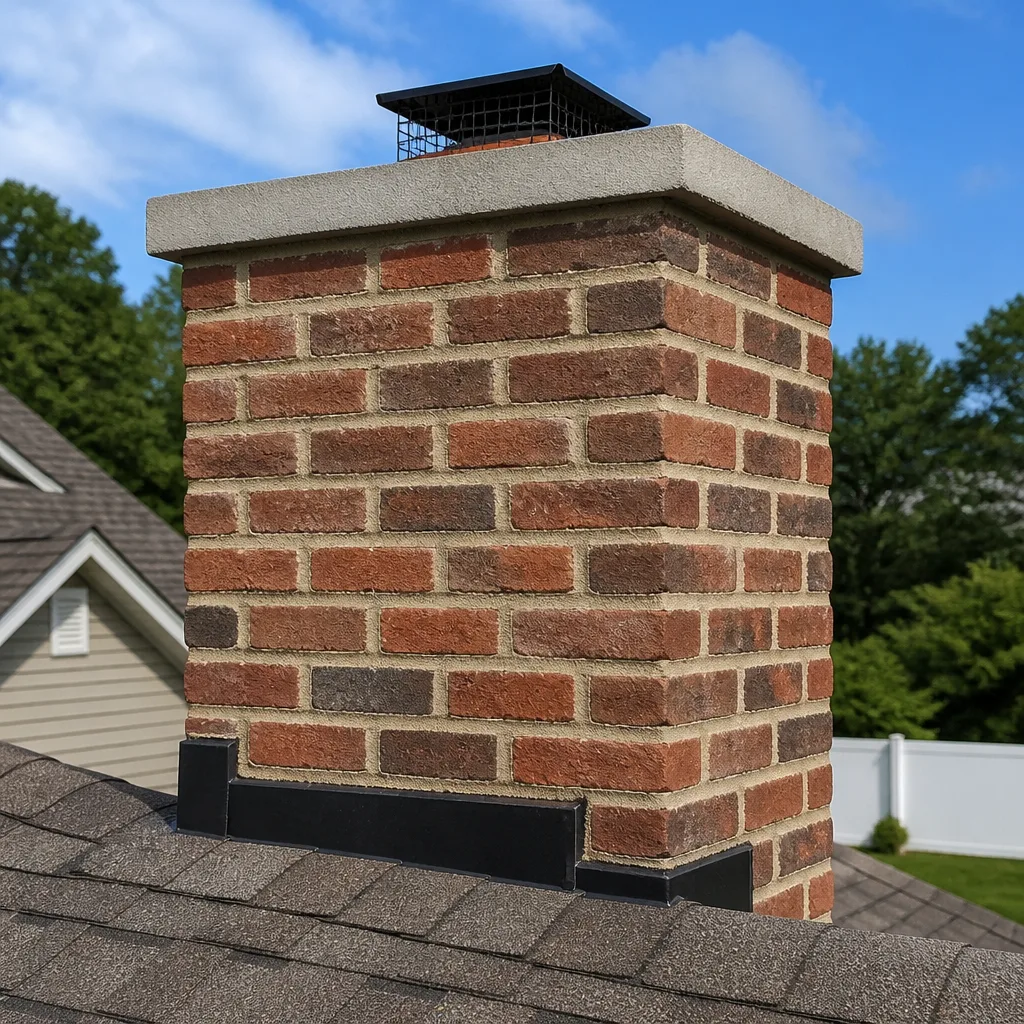 Masonry repair
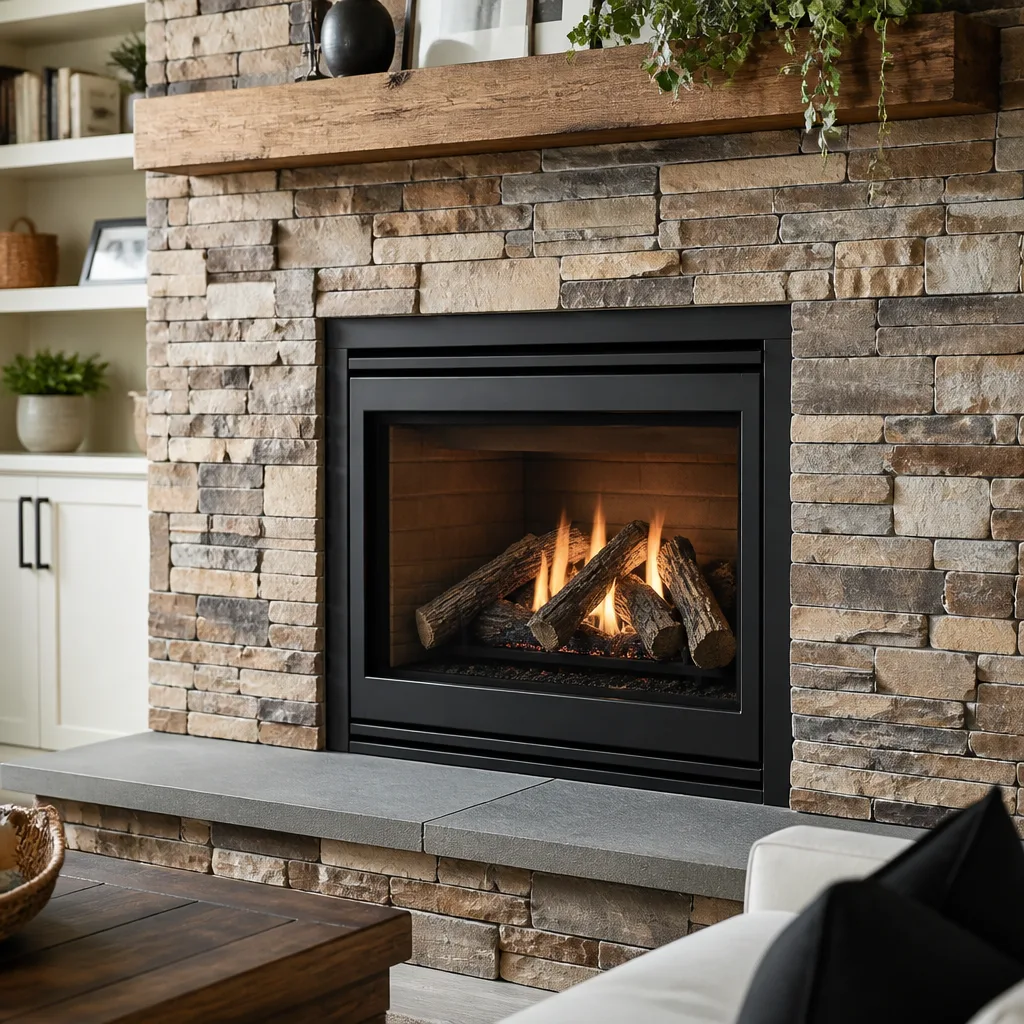 Gas fireplace service
Level 1 sweep and inspection to the NFPA 211 annual standard - flue, crown, cap, and flashing checked and photographed
Chimney sweep logs do not sweep chimneys. They loosen some creosote - which then falls where a brush and vacuum still have to collect it.
DIY vs Professional Chimney Cleaning: The Yorba Linda Homeowner’s Decision Guide
You can buy the same brushes a chimney sweep uses. The wire gauge, the polypropylene bristles, the flexible rods that thread up a flue, all of it ships to your door. What you can’t buy is the ability to look at what comes back down and know what you’re seeing. Identifying a stage-2 creosote glaze, spotting a cracked terra cotta liner tile, or judging a deteriorated smoke chamber takes training and light and a camera that reaches where your eye can’t. This guide maps exactly where DIY chimney cleaning in Yorba Linda works, where it stops working, and where missing something in a Yorba Linda flue stops being a cost question and becomes a safety question. It’s a decision framework, not a sales pitch.
Quick Answer
DIY chimney cleaning is a reasonable choice only for a lightly used appliance with a straight, accessible flue and no history of heavy wood burning; everything else needs a professional sweep and inspection. Consumer brushes can remove loose stage-1 creosote and little else, and they cannot reveal liner cracks, smoke chamber damage, or stage-2 and stage-3 creosote that require chemical treatment and trained removal. In Yorba Linda, where wood-burning fireplaces see occasional cool-season use, that line usually falls on the side of a professional inspection.
Styles & brands we work with
- Sweep & inspection
- Caps & crowns
- Flue relining
- Masonry repair
- Gas fireplace service
Table of Contents
- What DIY brushing actually accomplishes
- What professional equipment makes visible that you can’t see
- When DIY is a reasonable choice in Yorba Linda
- Stage-2 and stage-3 creosote: why no consumer brush fixes it
- Inspection vs. sweep: two different jobs
- Insurance and documentation: what a professional record does for you
- The parts of a chimney you should never attempt yourself
- What a missed problem costs versus a routine sweep
What DIY Brushing Actually Accomplishes
A brush on a rod does one job well in a straight flue: it knocks loose, powdery, soot-and-ash creosote off the walls. That’s stage-1 creosote, the light flaky stuff that builds up after a handful of fires and comes away easily. If your flue is straight, your appliance is a wood stove or fireplace you use a few times a season, and you’ve kept up with it, a homeowner brush can genuinely keep it in reasonable shape between professional visits.
Here’s the limit. A brush follows the flue. It doesn’t chase the corners of a smoke chamber, it doesn’t turn into an offset or a bend the way a flexible liner path does, and it doesn’t clean the shelf above the damper where debris collects. In our experience, most of what actually needs attention in a Yorba Linda chimney sits above or around the parts a homeowner brush can reach.
A brush also can’t tell you anything. It removes deposits and leaves no record. You won’t know whether the glaze you’re looking at is stage-1 or something tougher, whether a crack opened behind the brush, or whether the tile joint you can feel is normal or new. Professional chimney cleaning in Yorba Linda isn’t just the brush; it’s the person running it who knows what a healthy flue looks like and notices when it doesn’t.
There’s a mechanical risk too. Brushing a clay tile liner at the wrong angle, with too much force, or with a rod that flexes off-center can chip a tile edge. A chipped tile is a much bigger repair than a routine sweep. When you don’t know how hard is too hard, you find out the expensive way.
For a deeper walkthrough of how a proper sweep is done, from drop cloths to the final check, see our chimney sweep service page.
What Professional Equipment Makes Visible That You Can’t See
The difference between a brush and a professional visit isn’t the brush. It’s what the technician can see. A chimney inspection uses a camera that goes up the flue and shows the liner walls, joints, and any gaps on a screen in real time. That view is the whole game.
Here’s what a camera reveals that a flashlight from below never will:
- Liner integrity. Hairline cracks in terra cotta tile, gaps at the joints, spalling where the clay has flaked. These are the paths heat and carbon monoxide use to reach the structure of your home.
- Smoke chamber condition. The chamber above the damper is where turbulence and moisture do the most damage. It’s a shape you can’t properly see from the firebox floor.
- Creosote stage. A camera plus a technician who knows the difference between flaky stage-1, crumbly stage-2, and glazed stage-3 is the only reliable way to judge what’s coating your flue.
- Blockages. Nests, leaves, and fallen tile that a sweep can miss if the flue path is anything but straight.
- Draft and combustion evidence. Staining, corrosion, and heat damage that tell the story of how your appliance has actually been running.
None of that is a knock on homeowners. It’s a statement about tools. A camera system designed for flue inspection, a set of rods matched to the flue size, and the training to read what shows up on the screen are what separate a sweep from a guess. When we run an inspection, we show the homeowner what the camera sees. That’s how a repair recommendation earns trust. You see it before you’re asked to approve anything. Our chimney repair work starts from the same camera evidence, so nothing gets recommended that you can’t confirm for yourself.
When DIY Is a Reasonable Choice in Yorba Linda
There are cases where grabbing a brush and doing a light cleaning between professional visits is genuinely fine. The decision comes down to three things: what you burn, how often, and how the flue is built.
DIY makes sense when:
- The appliance is a gas log set or insert you rarely use. Gas produces far less creosote than wood. A lightly used gas appliance with an accessible flue is the most forgiving scenario.
- The flue path is straight and vertical. No offsets, no bends, no surprises. Straight flues are the only ones a homeowner brush can follow reliably.
- The system has a short, known service history. You know when it was last inspected, nothing concerning came up, and deposits are light.
- You’re cleaning between professional visits, not instead of them. A brush in the hands of a careful homeowner can hold ground between inspections. It can’t replace them.
Now the other side. A wood-burning fireplace with a long service history is exactly where DIY falls short. Years of fires build creosote in ways that a brush can’t resolve, and the longer a system goes without a documented inspection, the more likely something is quietly wrong. Yorba Linda homes burn wood for the atmosphere and the warmth on cool evenings, and that’s the pattern that produces the deposits you’d rather have a professional look at.
The honest rule: if you’re reaching for a brush because you’re not sure what’s up there, that’s the sign to call someone who can see it. If you’re reaching for a brush because you know the system is clean and you want to keep it that way between visits, you’re probably fine. When in doubt, book an inspection and watch what the camera shows you.
Stage-2 and Stage-3 Creosote: Why No Consumer Brush Fixes It
Creosote builds in stages, and each stage needs different treatment. Stage-1 is the light, flaky, soot-like layer that brushes remove. Stage-2 is a denser, crumbly or tar-like deposit that clings. Stage-3 is a glazed, hardened shell that bonds to the flue wall like porcelain. A consumer brush does essentially nothing to stage-2 and stage-3.
Stage-3 is the one that should get your attention. It’s the fuel source behind chimney fires, and it doesn’t come off with elbow grease. Removing it takes professional chemical treatment, mechanical tools designed for the job, and a technician who can judge when removal is safe versus when the liner itself needs repair or replacement. A homeowner brush on a glazed flue is like scraping a hardened pan with a plastic spatula. Nothing happens except wasted effort, and the danger stays put.
This is where the frame shifts from cost to safety. A stage-3 flue is a real fire risk, and a stage-2 flue is well on its way. Those are not deposits you can assess by look and reach alone. If a technician inspects your flue and finds stage-2 or stage-3 creosote, the plan becomes chemical treatment, mechanical removal, and often liner repair. That’s not an upsell. It’s the only path that resolves the hazard. Where the liner has cracked or spalled, we use HeatShield to restore the existing flue without a full tear-out when the condition allows, along with DuraFlex flexible liner systems for relining and appliance upgrades. Those are the trade-grade materials we stock the toolkit with, not hardware-store substitutes.
If your flue has been burning wood for years and you’ve never had it professionally cleaned, the smart move is a camera inspection before you reach for a brush. You’ll know what stage you’re dealing with, and you’ll know whether DIY is in the cards at all. That inspection is a structured service in its own right, not an add-on to a cleaning visit.
Inspection vs. Sweep: Two Different Jobs
People use “chimney cleaning” and “chimney inspection” interchangeably. They’re not the same thing. A sweep removes deposits. An inspection assesses condition. In Yorba Linda, you usually need both, and a good provider does them together.
- The sweep clears the flue, firebox, damper, and smoke shelf, and removes soot and creosote from reachable surfaces.
- The inspection checks the full system: flue liner, joints, smoke chamber, damper, cap, crown, and the exterior of the chimney for water damage. A camera inspection is the foundation of it.
- The report tells you what was found and what, if anything, needs attention, with photo evidence so you can see it for yourself.
The reason the distinction matters for the DIY conversation is simple. DIY cleaning can, in narrow cases, handle the sweep. It can’t handle the inspection. There’s no version of a homeowner brush that tells you whether your liner is cracked, whether water is getting into the crown, or whether the smoke chamber has deteriorated. Those are the findings that protect your home and inform every repair decision. Skipping the inspection to save a step is where a cleaning habit stops protecting you.
For what a proper assessment covers and when to schedule one, see our Yorba Linda chimney sweep overview page. It walks through the inspection offering as a standalone service, which is how you should treat it, not as a checkbox on a cleaning visit.
Insurance and Documentation: What a Professional Record Does for You
Here’s a part of the DIY conversation that rarely comes up until it’s too late. If a chimney fire happens and you file a homeowner’s insurance claim, the insurer will ask about maintenance. Was the chimney cleaned? Was it inspected? Who did the work? A documented professional inspection history answers those questions directly. A homeowner brush and a memory don’t.
We’re not saying every insurer will deny a claim for lack of records. We are saying that documentation is evidence, and evidence helps. A dated inspection report with findings and photos is the clearest proof that you maintained the system in good faith. It also protects you from a much worse scenario: an insurer or adjuster concluding the fire was a foreseeable result of neglected maintenance. At that point the difference between a documented professional inspection and a brush in the garage matters in dollars.
There’s a second layer of protection. A professional inspection catches hazards before they become claims: the stage-3 creosote, the cracked liner, the missing cap that let water in all winter. A homeowner can’t find what they can’t see, and the parts of a chimney that fail worst are exactly the parts the camera reaches. Schedule an inspection for the record. It’s the cheapest insurance you’ll ever buy on a wood-burning system.
The Parts of a Chimney You Should Never Attempt Yourself
Some parts of a chimney are dangerous enough that no amount of common sense makes a homeowner attempt worthwhile. We’d rather you know which ones than find out the hard way. This isn’t about competence. It’s about the consequences of getting it wrong, and some of those consequences are severe.
- Anything that involves a ladder and a roof. Caps, crowns, and flue tops are height work. A fall is a far worse outcome than a dirty chimney.
- Stage-2 and stage-3 creosote. Chemical treatment and mechanical removal of hardened, tar-like or glazed deposits carry fire risk and require trained hands. Don’t scrape at a glazed flue.
- Liner work of any kind. Relining, repairing cracked tile, or working inside a flue that’s been compromised is a professional scope. A wrong move can leave a gap that funnels heat or carbon monoxide into the framing.
- Firebox and smoke chamber masonry. Cracks and spalling in these areas affect how the whole system drafts and contains combustion gases.
- Anything involving gas appliances or gas lines. Gas work belongs to a trained professional, full stop. If you smell gas, leave the area and call your gas utility.
Carbon monoxide is the reason we flag the liner and the smoke chamber so heavily. A compromised flue is a path for combustion gases to enter your home invisibly. That’s not a scare tactic; it’s the physical reality of what a cracked liner or deteriorated chamber does. Fire is the visible risk. CO is the one you can’t see coming.
If any of this describes your system, or if you’re not sure, the next move is a professional inspection, not a brush. For firebox cracks and damper issues specifically, our fireplace repair service covers what a trained technician can safely assess and fix. When in doubt, call (877) 492-3104. We answer 24/7. Fast dispatch from 7am to 7pm, Sunday through Friday.
What a Missed Problem Costs Versus a Routine Sweep
It’s tempting to frame this as a few hundred dollars for a professional visit versus a free afternoon with a brush. That’s the wrong comparison. The right comparison is a routine cleaning against the cost of the problems that routine cleaning is designed to catch.
A missed liner crack is relining work. A missed crown crack is water damage that works its way into the masonry and surrounding structure. A missed stage-3 buildup is a fire. Those aren’t hypothetical; they’re the findings a camera inspection is built to surface, and the earlier they’re caught, the cheaper they are to fix. HeatShield and DuraFlex relining and a chimney cap and crown installation are routine costs when found early. Structural repair after a fire or years of moisture is in a different category altogether.
There’s a broader principle worth keeping in mind. The full-service scope we run, sweep, inspection, fireplace repair, chimney repair, and cap and crown, exists so that one company handles the whole job from first look to final fix. No hand-offs, no subcontracted mystery about who did what. When the inspection finds something, the same team that found it resolves it. That continuity is what makes a documented maintenance history meaningful: one thread from the first camera inspection to the last repair.
Add in the cap and crown piece, which addresses the two most common points of water entry on any chimney, and the coverage is complete. A chimney that sheds water and stays clean is a chimney that ages slowly. That’s the goal, and it’s cheap to maintain and expensive to neglect.
Common Mistakes to Avoid
- Brushing a flue you haven’t inspected. You can spread soot into a smoke chamber or crack you didn’t know was there. The inspection comes first.
- Assuming a gas appliance never needs attention. Gas burns cleaner, but it still produces deposits and can still hide liner damage. Accessible flue paths make DIY more viable, not professional inspection optional.
- Skipping the cap because it “looks fine.” A missing or damaged cap is the leading path for water into the chimney. In Yorba Linda, where the occasional rain moves through, an uncapped flue gets wet from the top down.
- Treating the liners like a cosmetic issue. Cracked tile and spalled clay aren’t a look. They’re a path for heat and CO into the structure.
- Using hardware-store brushes and calling it done. Trade-grade tools like the ones we install and repair with (Copperfield caps and crowns among them) exist because consumer substitutes fail at the edges, and the edges are the whole job.
- Going years between professional visits because there’s no visible problem. The findings that matter most are the ones you can’t see, which is exactly why an inspection schedule beats an inspection habit.
- Throwing away the paperwork. Keep inspection reports. They’re your maintenance record, and they matter if you ever file an insurance claim or sell the home.
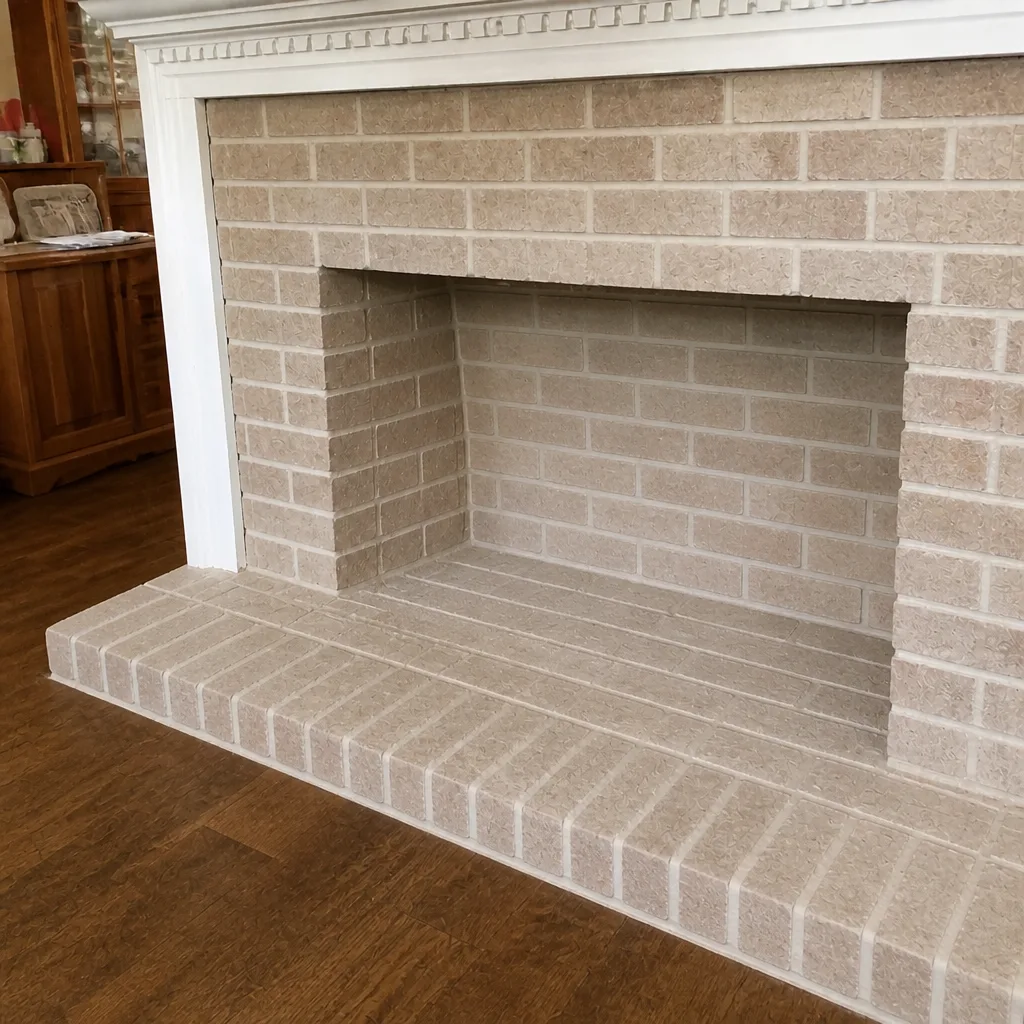
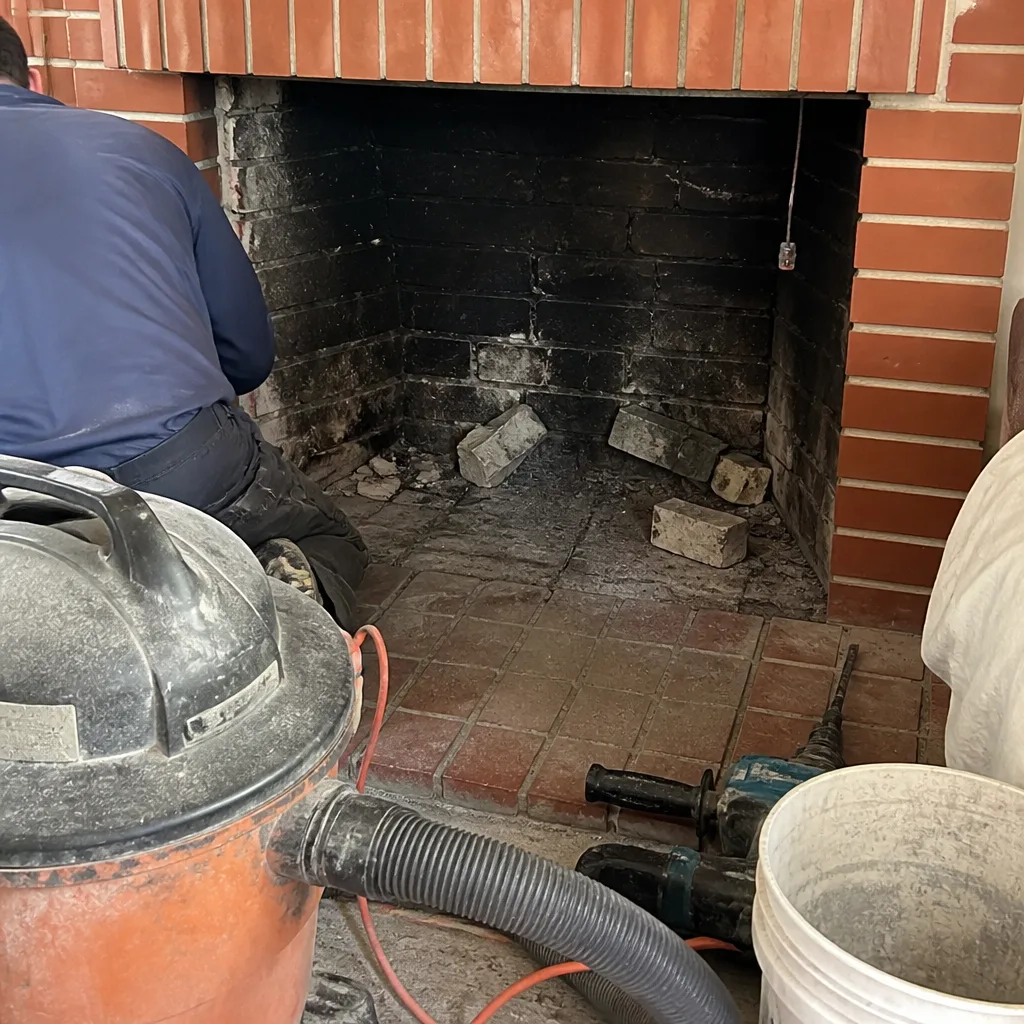
See the difference
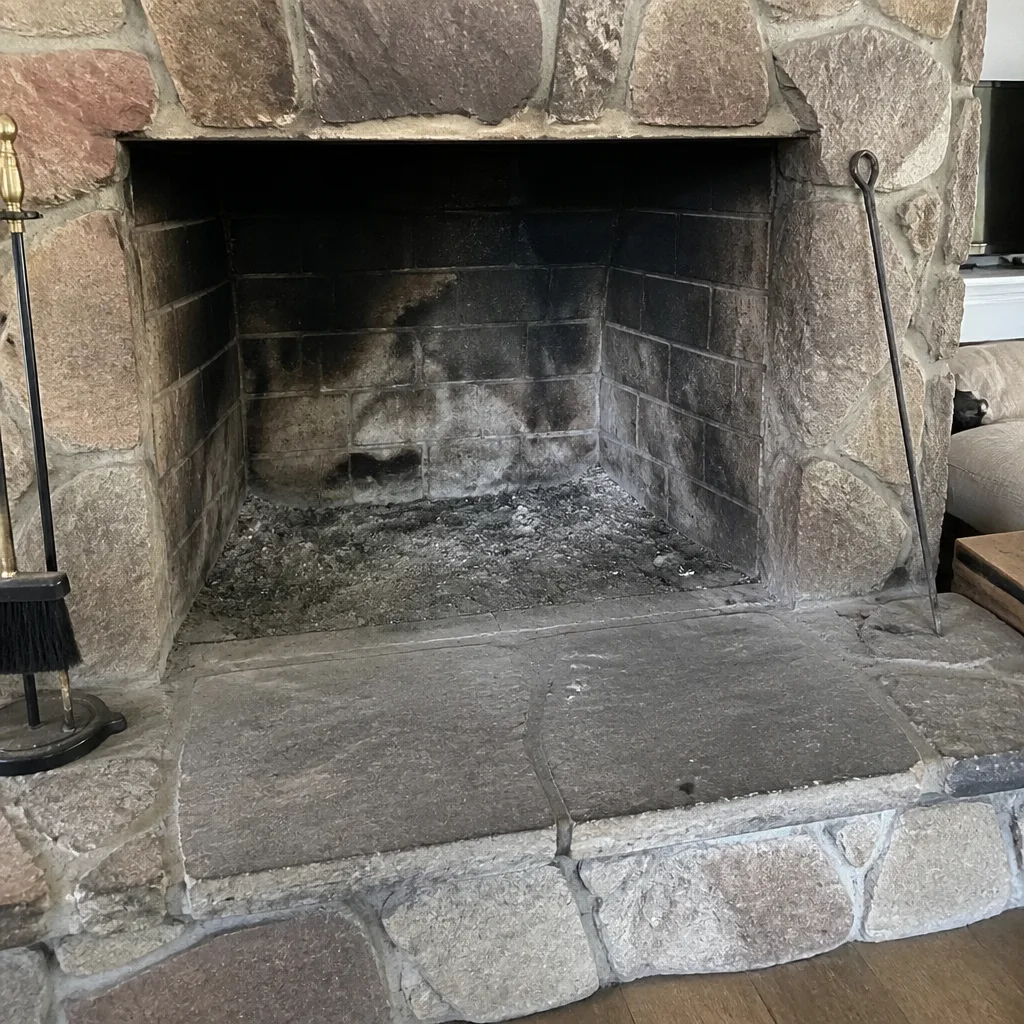 Before
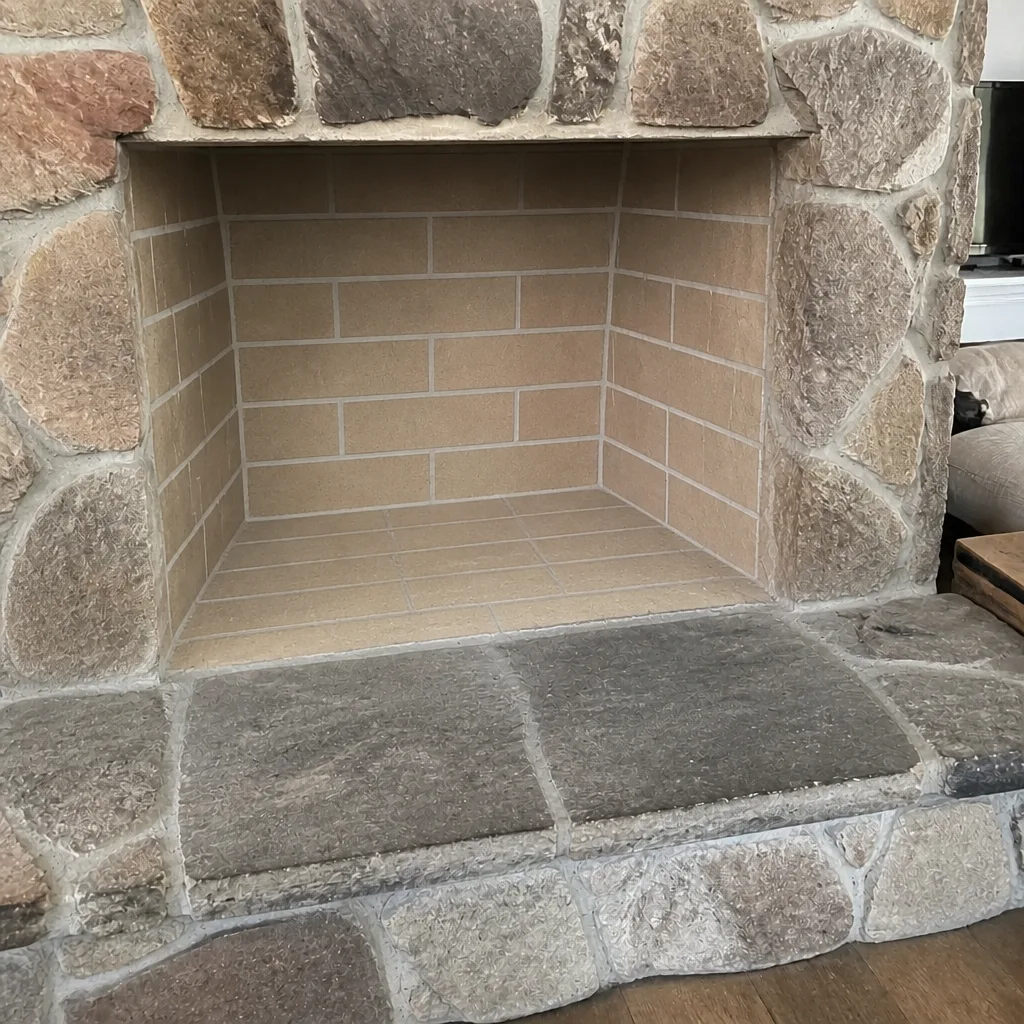 After
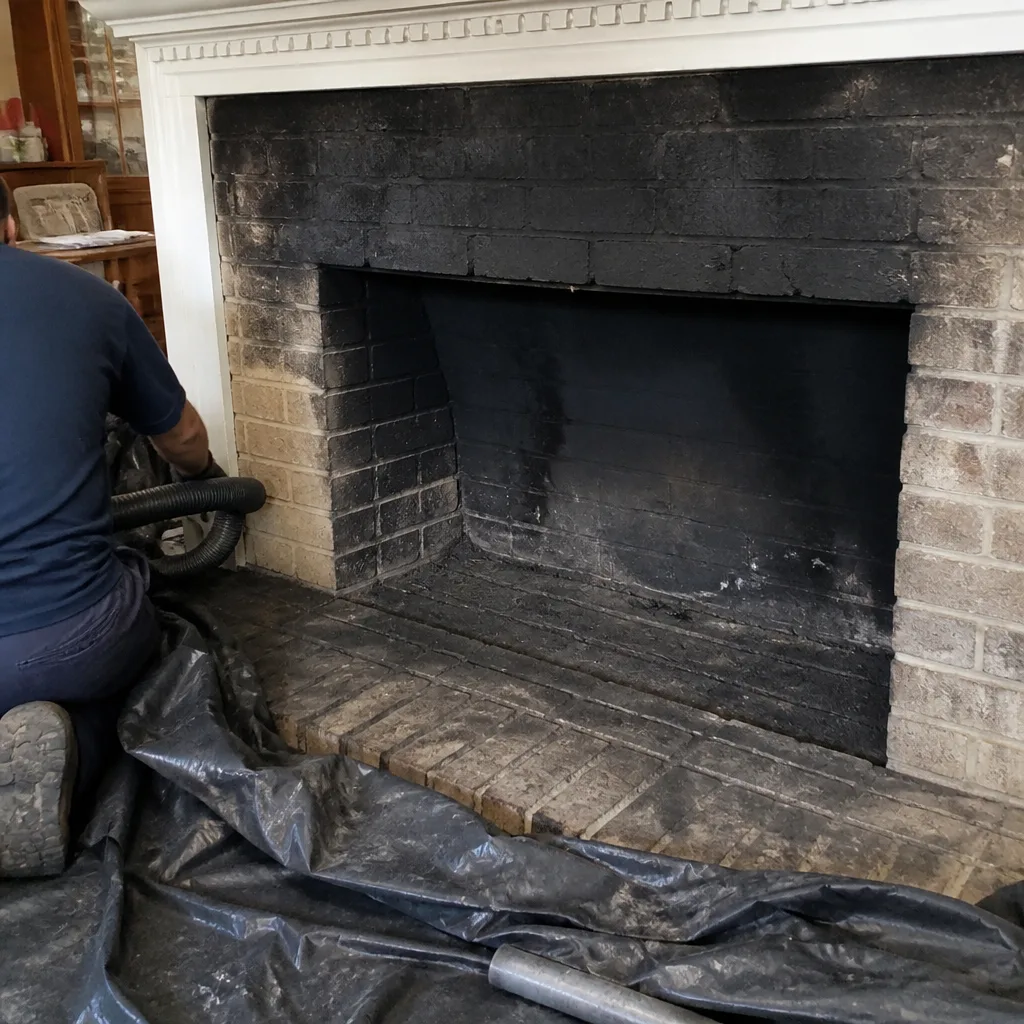 Before
 After
 Before
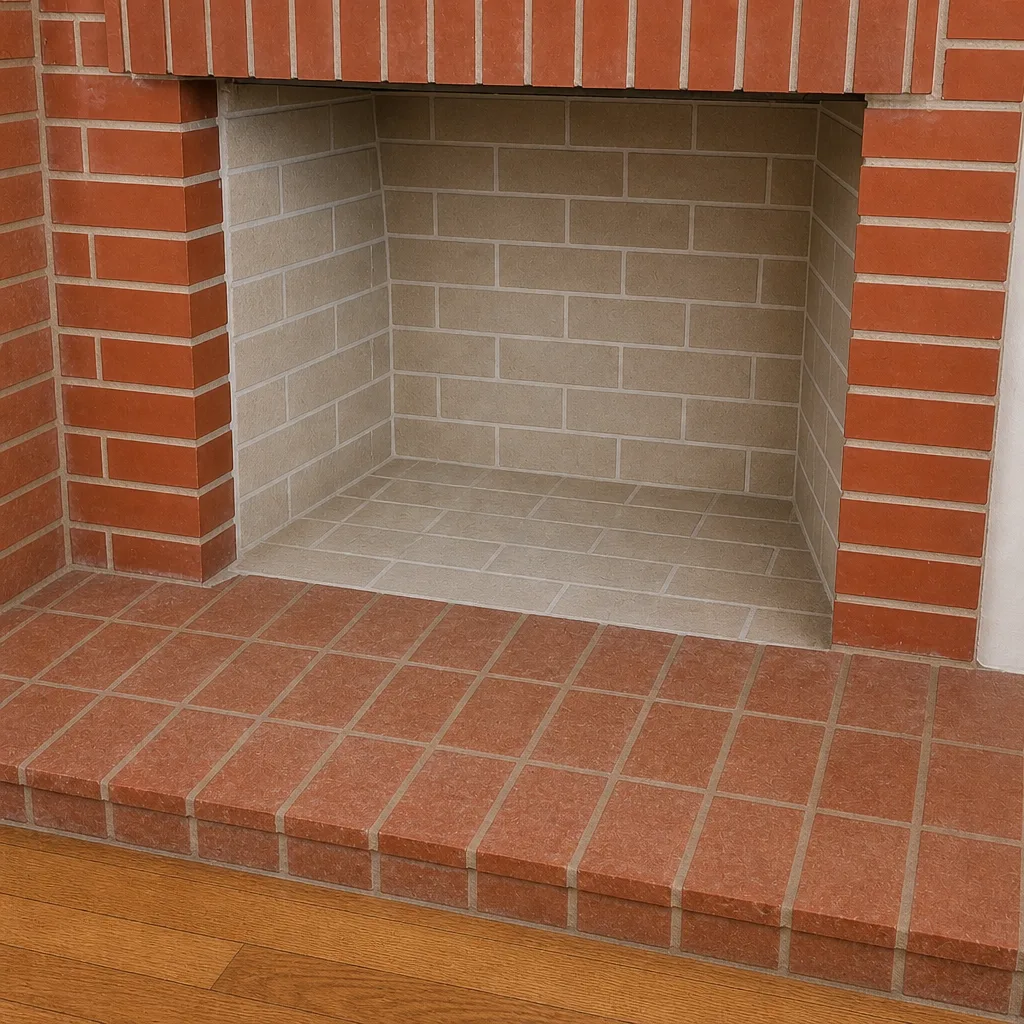 After
When to Call a Professional
Call a professional if any of the following applies to your Yorba Linda home: the fireplace burns wood, you’ve never had a documented inspection, you smell smoke or deposit buildup when the fire is lit, you’ve noticed staining around the firebox or chimney exterior, the damper sticks or doesn’t seal, or you’re planning to use a gas appliance you can’t verify was serviced. Also call if you simply don’t know the service history of a chimney that came with the house. Every visit we do starts with camera evidence and a flat-price scope agreed before any work is booked, and nothing gets recommended that you can’t see on the report yourself. Yorba Linda Chimney Sweep offers free estimates in Yorba Linda; call (877) 492-3104.
Frequently Asked Questions
Most wood-burning chimneys should be swept and inspected once a year, and gas appliances should be checked on the same annual rhythm. Yorba Linda’s mild winters mean fireplaces see light, seasonal use, so a once-a-year sweep with a camera inspection keeps a lightly used system clean and, more importantly, documented. Call (877) 492-3104 for an exact quote, since estimates are free.
You can, and for a rarely used gas appliance with a straight, accessible flue and a known service history, it’s a reasonable choice between professional visits. A brush removes loose stage-1 creosote and nothing else. It can’t reveal liner cracks, smoke chamber damage, or stage-2 and stage-3 creosote. If you’re unsure what’s up there, that’s the moment to call a professional.
Skipping a cleaning lets creosote build up until it reaches stage-2 and stage-3, and stage-3 glazed creosote is the fuel behind chimney fires. It also lets small problems, a crack in the crown or a damaged liner, go unnoticed until they become structural repairs or a path for carbon monoxide. A missed problem is far more expensive than a routine cleaning. Call (877) 492-3104 for an exact quote; estimates are free.
Not always, and that’s a decision that should be made on evidence. A camera inspection shows whether the liner is sound, has hairline cracks, or has spalled. Where the condition allows, HeatShield can restore a deteriorated flue without a full tear-out, which is a cost-saving option most sweep-only services can’t offer. You should see the camera images before approving any liner work. Call for an inspection and we’ll show you what’s there.
Pricing is set per job by a written estimate after we see the chimney and the inspection findings, so there’s no flat number to quote blind. What we can tell you: the estimate is free, the flat-price scope is agreed before any work is booked, and the camera report is included. Call (877) 492-3104 for an exact quote.
You don’t need one before a claim, but having a documented inspection history helps when you file. An insurer reviewing a chimney fire will want to know the chimney was maintained, and a dated inspection report with photos is direct evidence of that. Schedule an inspection for the record, and keep the report. Call (877) 492-3104 to book.
The Bottom Line
The DIY chimney cleaning question isn’t cost versus safety. It’s what you can see versus what you can’t. A brush removes stage-1 creosote from a straight flue, and for a lightly used gas appliance with a known history, that’s a legitimate between-visit habit. But cracked liners, smoke chamber damage, and stage-2 and stage-3 creosote are invisible to a brush and dangerous when missed. Add the insurance documentation angle and the CO risk, and the honest answer is this: DIY between professional inspections, and a camera inspection once a year. In Yorba Linda, that routine protects the home and the record. We do it with a free estimate, a flat-price scope agreed before booking, and photo evidence of what we found. Call (877) 492-3104. We answer 24/7. Fast dispatch from 7am to 7pm, Sunday through Friday.
Written by the team at Yorba Linda Chimney Sweep.