
Last updated November 25, 2026
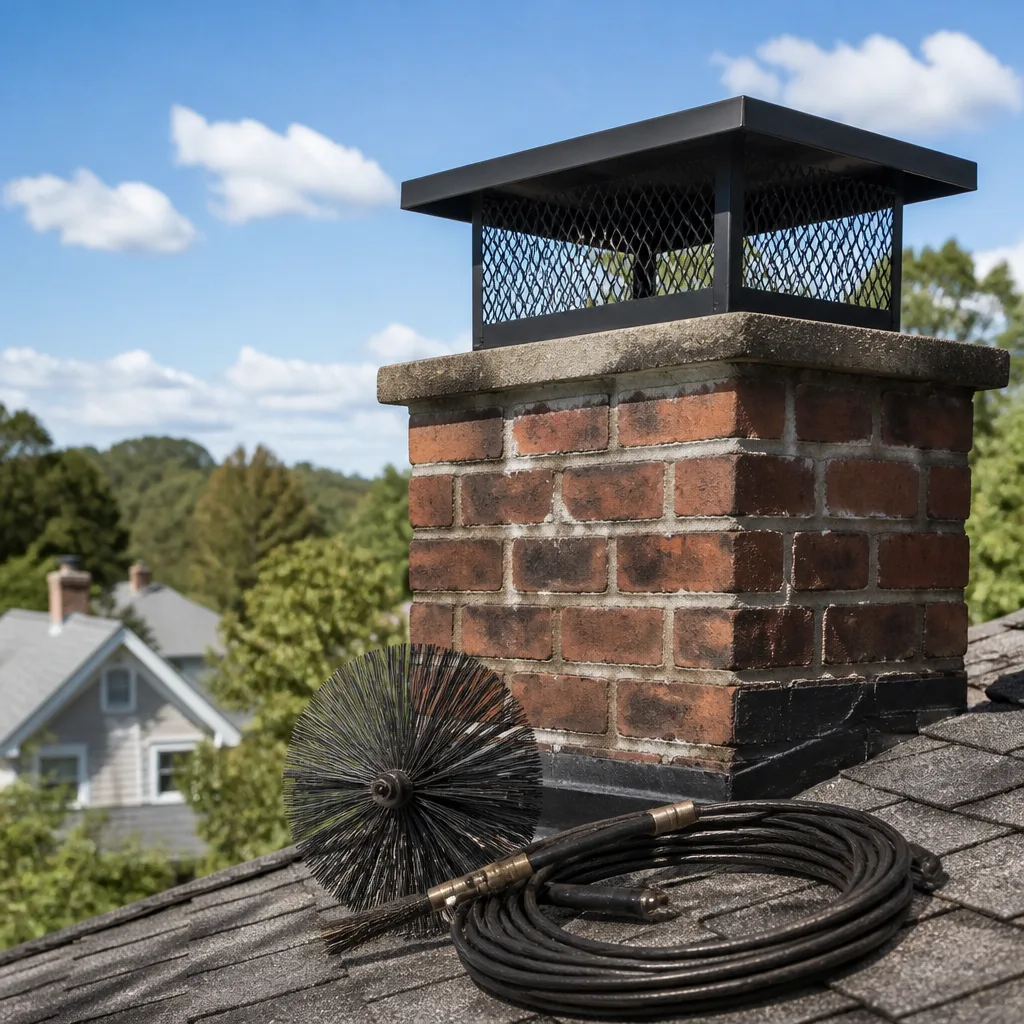 Sweep & inspection
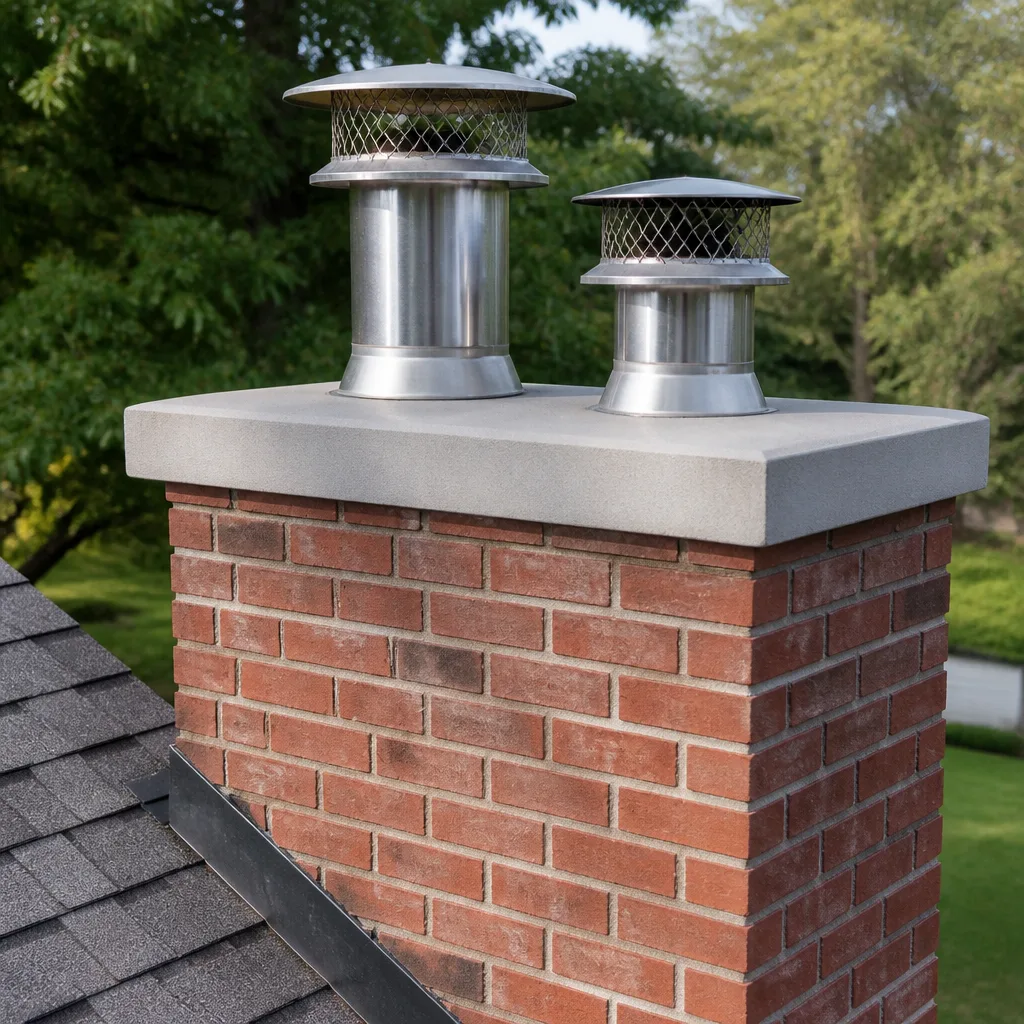 Caps & crowns
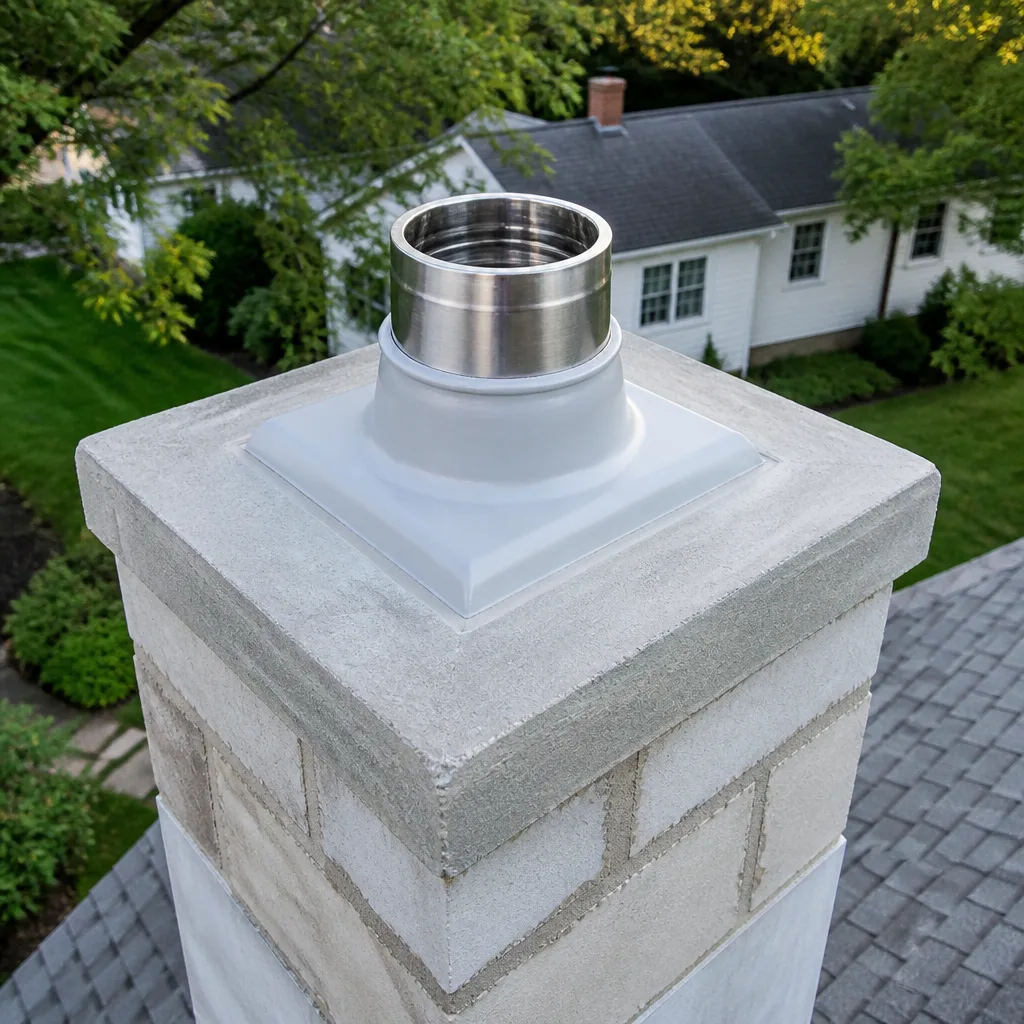 Flue relining
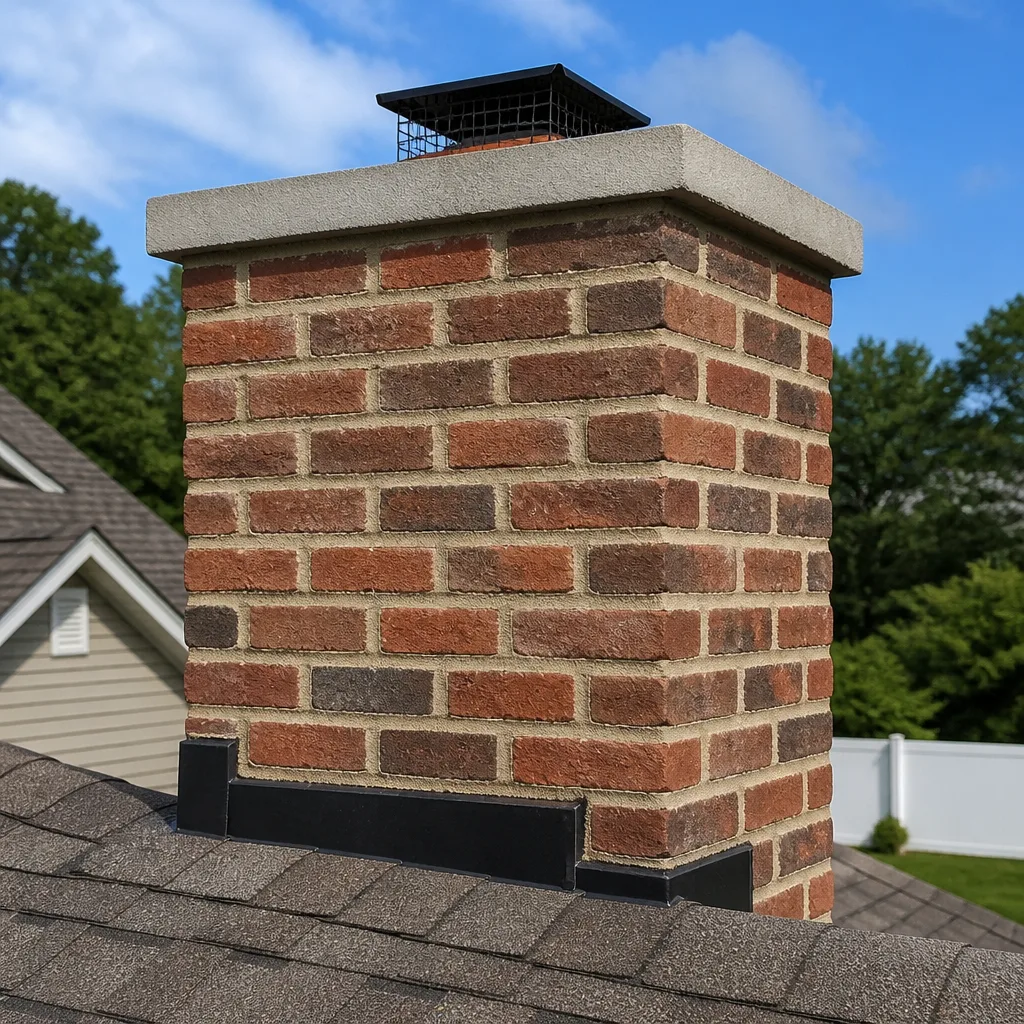 Masonry repair
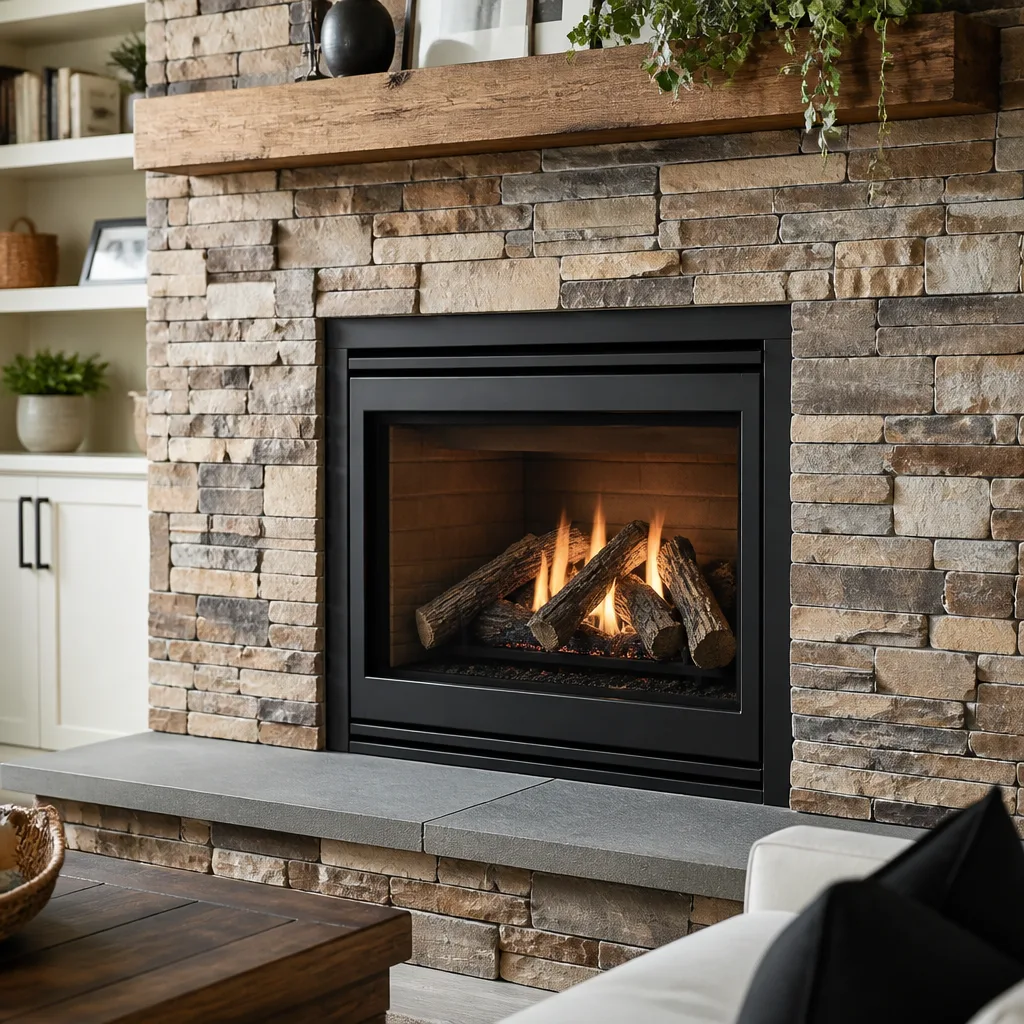 Gas fireplace service
Level 1 sweep and inspection to the NFPA 211 annual standard - flue, crown, cap, and flashing checked and photographed
Chimney sweep logs do not sweep chimneys. They loosen some creosote - which then falls where a brush and vacuum still have to collect it.
Chimney Cleaning Warning Signs: A Yorba Linda Homeowner’s Reference Guide
A white stain running down your chimney’s exterior isn’t a cosmetic issue. It’s efflorescence, and it means water has been moving through your masonry long enough to carry dissolved salts to the surface. That’s the thing about chimney problems: the evidence is usually right in front of you, on the crown, in the firebox, or in the smell of the room, months before anything fails. What most homeowners lack isn’t access to the signs. It’s a plain explanation of what each sign is caused by and whether it means “call now” or “put it on the list for your next sweep.” That’s what this guide gives you, with honest urgency ratings written from Yorba Linda, where mild winters and dry summers shape chimney wear differently than the national advice you’ll read online.
Quick Answer
The warning signs that matter most are white staining or crumbling brick on the exterior, a cracked crown, a rusted or missing cap, a musty smell in summer, a sharp smoke smell when the fireplace is cold, a damper that won’t seal, and smoke rolling into the room instead of up the flue. Stop using the fireplace immediately if you find a visible crack in the flue liner, crumbling mortar inside the smoke chamber, or smoke that won’t draw. Everything else in this guide falls into “schedule a sweep soon” or “monitor and clean annually.”
Styles & brands we work with
- Sweep & inspection
- Caps & crowns
- Flue relining
- Masonry repair
- Gas fireplace service
Table of Contents
- What Do Chimney Smells Tell You?
- Exterior Warning Signs and Their Urgency
- Interior Warning Signs: What to Look For Inside
- Operational Signs: When the Fireplace Doesn’t Behave
- Stop Now, Schedule Soon, or Monitor?
- Why Yorba Linda Chimneys Age the Way They Do
- The Annual Check That Prevents Most of This
- Common Mistakes to Avoid
What Do Chimney Smells Tell You?
Smell is the most reliable early warning system a homeowner has, and almost nobody explains what the different smells mean. There are two that matter, and they point to completely different problems.
Musty odor in summer
A musty, damp, basement-like smell coming from the firebox in warm months usually means moisture is trapped in the chimney structure or in the creosote deposits coating the flue. When the fireplace sits unused through a Yorba Linda summer, air moves down the cold flue and picks up that dampness on the way back into the room. In our experience the usual culprits are a missing or damaged cap letting rain in, a crown that’s cracked and shedding water into the masonry, or a heavy creosote load that absorbs moisture and holds it.
This is a schedule-soon sign, not an emergency. It does mean water is getting in somewhere, and water is the single most destructive force on a masonry chimney. A chimney repair visit is the right response, because the fix is finding the entry point rather than masking the smell.
Sharp smoke smell when the fireplace is cold
If the fireplace hasn’t been used in weeks and the room still smells sharply of smoke, that’s different. A cold fireplace should smell like nothing. A sharp smoke smell on a cold chimney usually means creosote buildup in the flue is off-gassing, or the flue is blocked enough that combustion gases from the last fire never fully cleared. It can also point to negative pressure pulling air down the chimney from elsewhere in the house.
Treat this as a call-now sign if the smell is strong or has appeared suddenly. A blocked flue is a carbon monoxide concern, and that’s not something to test by lighting a fire.
Exterior Warning Signs and Their Urgency
Walk outside and look up. The outside of a chimney tells you most of what the inside is doing. Here’s what each sign means and how fast it needs attention.
- White staining (efflorescence): Water has been moving through the masonry and depositing salts on the surface as it evaporates. Urgency: schedule soon. It means the chimney is wet, and the source needs finding before the freeze-free but still damaging wet-dry cycle breaks the brick apart.
- Spalling brick (faces flaking or popping off): The brick has absorbed enough water that the surface is failing. Urgency: schedule soon, and treat as urgent if more than a few bricks are affected. Spalling doesn’t reverse itself.
- Cracked or crumbling crown: The crown is the concrete cap on top of the chimney that sheds water away from the masonry. A cracked crown sends water straight into the structure. Urgency: call now if the crack is wide or the crown is separating from the flue.
- Rusted or missing cap: A rusted cap has usually stopped doing its job. A missing cap lets rain, birds, and debris straight into the flue. Urgency: schedule soon. This is one of the least expensive fixes and one of the most protective.
- Leaning or visibly tilted chimney: Call now. This one is structural.
- Deteriorated mortar joints between bricks: The joints are the flexible part of the wall and the first to go. Urgency: schedule soon, because missing mortar accelerates spalling.
The pattern here is consistent: water causes most of what you see from the ground, and cap and crown work is where most of it gets stopped. Our chimney sweep visits include an exterior look for exactly this reason.
Interior Warning Signs: What to Look For Inside
Open the firebox doors and look with a flashlight. You’re checking three things: the firebox walls, the flue liner, and the smoke chamber above the damper.
White haze on firebox walls
A chalky white film on the firebrick inside the firebox is another form of efflorescence. It means moisture has been passing through the firebrick from behind, not from a fire. On its own it’s a monitor sign, but paired with exterior white staining it confirms water is moving through the whole structure.
Visible cracks in the flue liner
This is the one that changes everything. The flue liner is what keeps combustion gases inside the flue and away from the wood framing of your house. A visible crack, gap, or missing chunk of liner material means hot gases and carbon monoxide have a path out of the flue. Stop using the fireplace immediately and have it inspected.
Liner damage doesn’t always mean full replacement. Depending on what the inspection finds, HeatShield is a repair system we use to restore cracked or spalled liners from the inside without tearing out the existing liner, which saves the cost of a full reline. When the liner is too far gone, a DuraFlex flexible liner system handles the rebuild for wood, gas, or oil appliances and works through flues with offsets and tight paths.
Deteriorated mortar joints in the smoke chamber
The smoke chamber is the sloped area directly above the damper that funnels smoke into the flue. Look up into it with a light. Crumbling, rough, or missing mortar there is a stop-using sign. A failing smoke chamber lets gases escape behind the damper and interferes with draft, and rough surfaces collect creosote in places a brush can’t easily reach.
Operational Signs: When the Fireplace Doesn’t Behave
Some warning signs aren’t visual or smell-based at all. They show up when you try to use the fireplace. Each of these has a mechanical cause.
The damper won’t seal
Close the damper and feel for air coming down. A damper that won’t close all the way lets conditioned air escape up the chimney all year and lets cold air and moisture down when the fireplace is off. The cause is usually a warped damper plate, a rusted hinge, or a gasket that’s worn out. It’s a fixable part, not a whole new fireplace.
Smoke rolls into the room
Smoke coming out of the firebox into the living room instead of going up the flue is a draft problem. The mechanical causes are usually one of these:
- The flue is partially blocked with creosote or debris, so smoke has nowhere to go.
- The chimney is too short for the house, or something nearby interferes with the draw.
- The house is under negative pressure from a kitchen fan, a bath fan, or a tight modern envelope, so the chimney pulls air down instead of up.
- The smoke chamber is misshapen or rough, which disrupts the funnel effect.
Stop using the fireplace until someone diagnoses which of these it is. Smoke rollout is not something to work around by opening a window.
Fires that won’t draw or burn poorly
A fire that smolders, smokes heavily, and won’t sustain a flame is telling you the flue isn’t pulling. That’s the same list of causes as smoke rollout, plus one more: a flue that’s the wrong size for the firebox opening. An oversized flue cools the smoke too fast and kills the draft. Our Yorba Linda chimney sweep service starts with a camera inspection so we can see the flue path before we guess at the cause.
Stop Now, Schedule Soon, or Monitor?
This is the part most guides leave out. Here’s the honest triage, in a format you can screenshot and keep.
Stop using the fireplace immediately
- Visible crack, gap, or missing section in the flue liner
- Crumbling or missing mortar in the smoke chamber
- Smoke rolling into the room and won’t clear
- Strong, sudden smoke smell on a cold chimney
- Leaning chimney or masonry separating from the house
Schedule a visit soon (weeks, not months)
- Efflorescence or white staining on the exterior
- Spalling brick
- Cracked crown
- Missing or badly rusted cap
- Musty summer smell
- Damper that won’t seal
- Deteriorating mortar joints
Monitor and clean annually
- White haze on firebox walls with no other signs
- A small amount of soot visible at the firebox throat after normal use
- A slightly smoky smell the day after a fire
- Any chimney that hasn’t been inspected within a year
The theme is that the “schedule soon” list is almost entirely about water, and the “stop now” list is almost entirely about gases. Water damages the structure slowly. Gases are a health and fire concern that doesn’t wait.
Why Yorba Linda Chimneys Age the Way They Do
National chimney advice is written for a country with hard freezes, and it doesn’t quite fit here. Yorba Linda sits in a warm, dry climate with mild winters, and that changes which problems show up and which ones don’t.
Freezing isn’t the enemy here. Water is. A masonry chimney in Yorba Linda soaks up rain through a cracked crown or a missing cap, then dries out over a long warm season. That repeated wetting and drying pulls salts to the surface, which is where efflorescence comes from, and eventually the brick faces spall. We see this most often on chimneys that face the afternoon sun, because the heat drives evaporation faster and pulls more salts to the surface. The damage shows up as staining first and flaking brick later.
The dry season matters too. Long stretches with the fireplace unused let creosote deposits harden and glaze on the flue walls, which makes them harder to brush off at the annual sweep. Creosote that’s left long enough becomes the fuel for a chimney fire. Our technicians have up to 9 years of experience reading this pattern, and the practical advice for a Yorba Linda home is simple: keep water off the crown and cap, and don’t let creosote sit through more than one dry season.
Older Yorba Linda homes on larger lots often have chimneys with tall, exposed exterior stacks. Those stacks take more weather and show wear sooner than an interior chimney would. If you’re unsure how your chimney is built, an inspection will tell you.
The Annual Check That Prevents Most of This
Almost every sign in this guide is easier and cheaper to fix the earlier it’s caught. Here’s what a proper annual visit actually involves, step by step.
- Exterior look: Crown, cap, brick faces, mortar joints, and flashing where the chimney meets the roof.
- Firebox and damper check: Firebox walls, damper operation, and a look up into the smoke chamber.
- Camera inspection of the flue: A camera run down the flue to see the liner condition, creosote level, and any blockages. You see the footage. That matters, because you should never have to take our word for what’s happening inside a chimney you can’t see.
- Sweep if needed: Brushes sized to the flue, with a full cleanup afterward.
- Written findings: What’s fine, what needs watching, and what needs repair, with photos so you can verify it.
When a repair is needed, we finish the job with the same professional-trade brands the trade uses. A fireplace repair might call for Gelco or Olympia Chimney components. A reline uses DuraFlex. Cap and crown work is where we stop the water entry that caused half the signs on this list. Nothing is recommended without camera evidence you can look at yourself, and if a repair can safely wait a season, we’ll tell you that too.
Common Mistakes to Avoid
- Treating white staining as cosmetic. Efflorescence means water is moving through the masonry. Painting over it traps the moisture and makes the spalling worse. Find the source of the water instead.
- Using the fireplace after seeing a liner crack. A liner crack is not a “watch and see” problem in Yorba Linda or anywhere else. Carbon monoxide has no smell, and the fireplace is the one appliance where a small visible defect can have serious consequences.
- Skipping the sweep because the fireplace “still works.” A fire that draws well says nothing about the creosote level behind it. Creosote builds on the flue walls whether the fire burns beautifully or not.
- Buying a hardware-store cap to replace a rusted one. A poorly fitted cap can actually worsen draft. The cap has to match the flue opening and the appliance. This is why we use professional-grade parts like Famco and Copperfield on cap and crown work.
- Assuming the house’s negative pressure is the problem before the flue is checked. It’s tempting to blame modern windows for smoke rollout, but a blocked flue looks identical from the living room. Get the camera inspection first.
- Waiting for the wet season to schedule. A musty smell in summer is the best early warning you’ll get, and summer is the easiest time to fix the cause before the first rains.
- Letting a chimney go years between inspections. The liner and smoke chamber can deteriorate quietly. Annual inspection is the only way to catch it before it becomes a stop-using situation.
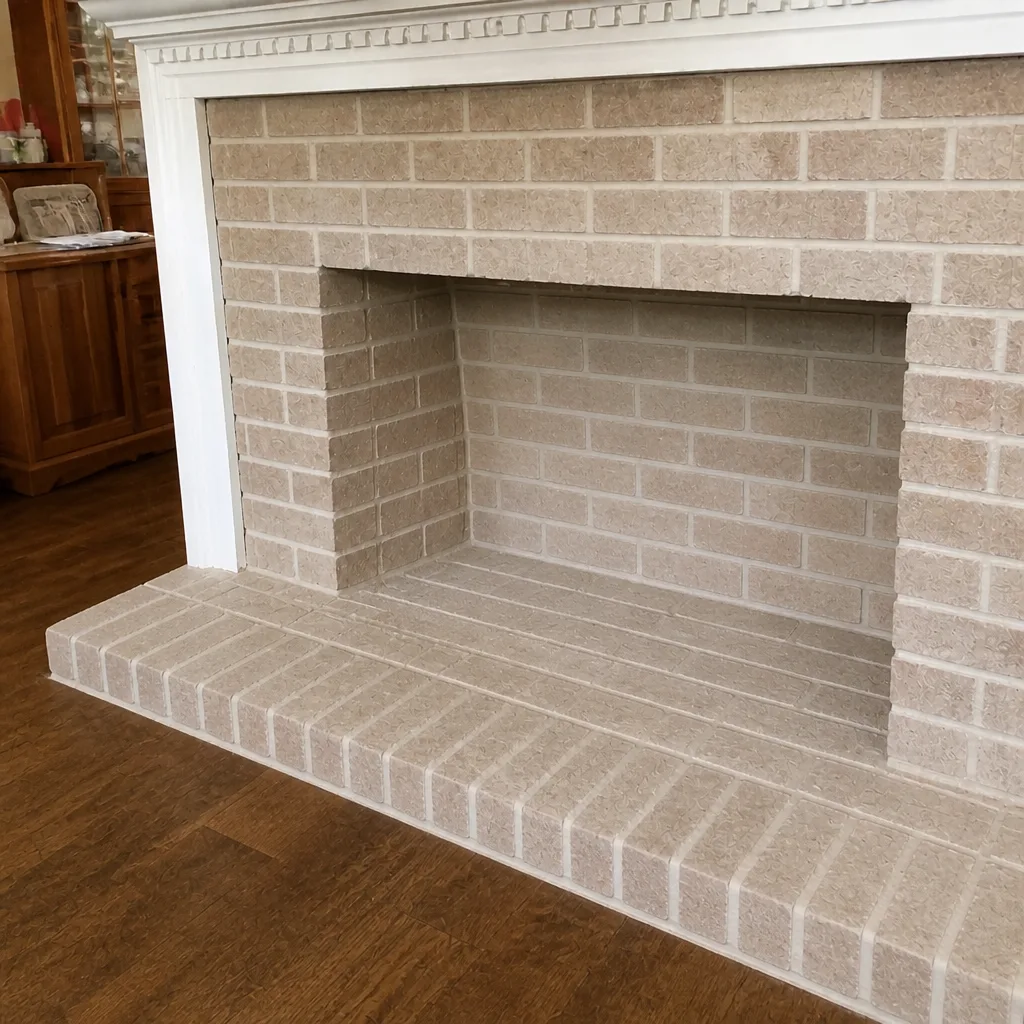
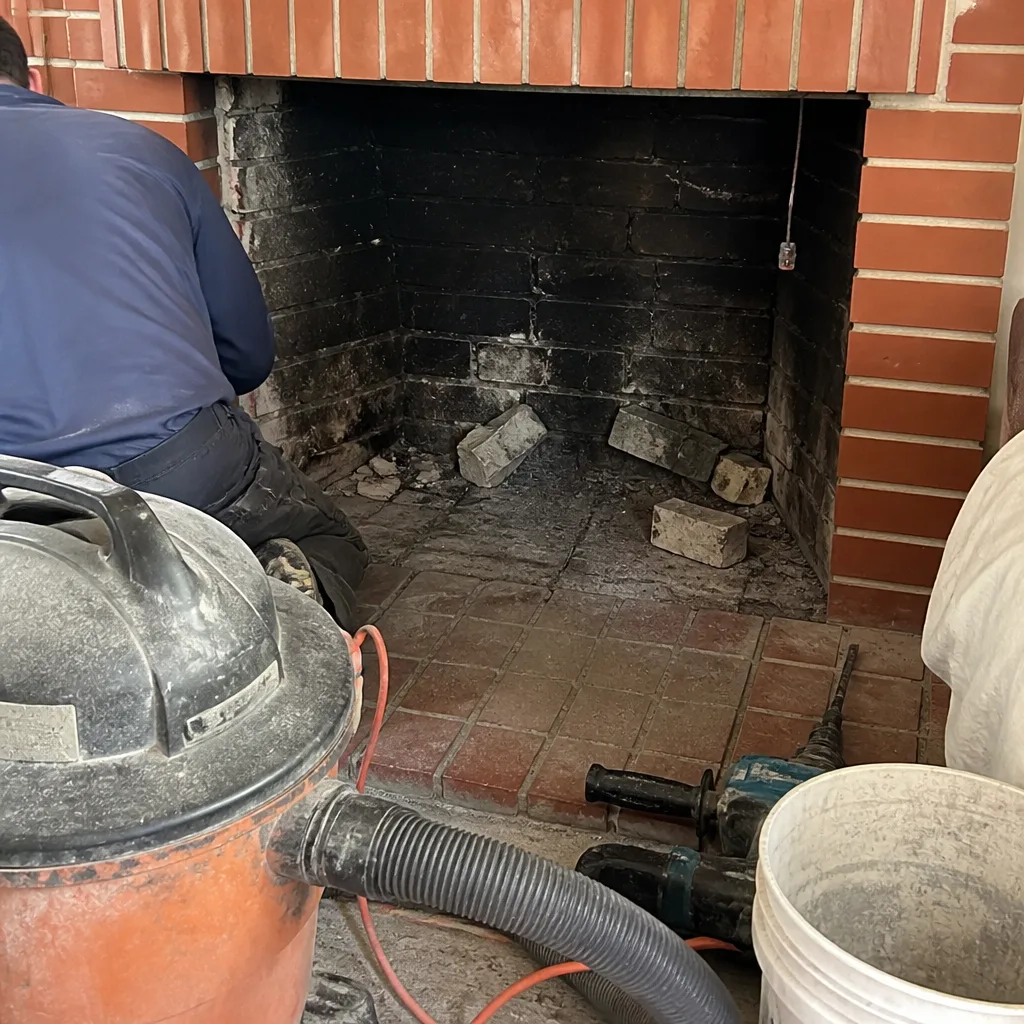
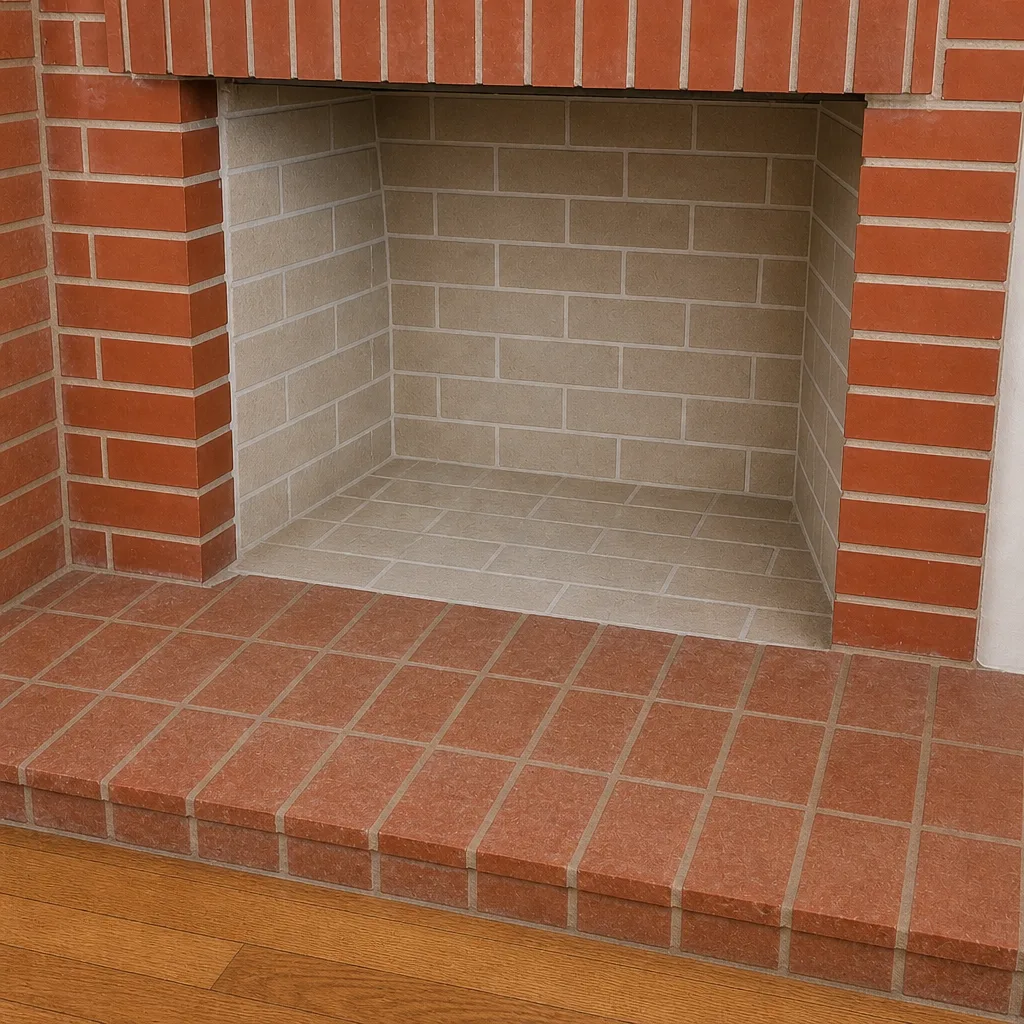
See the difference
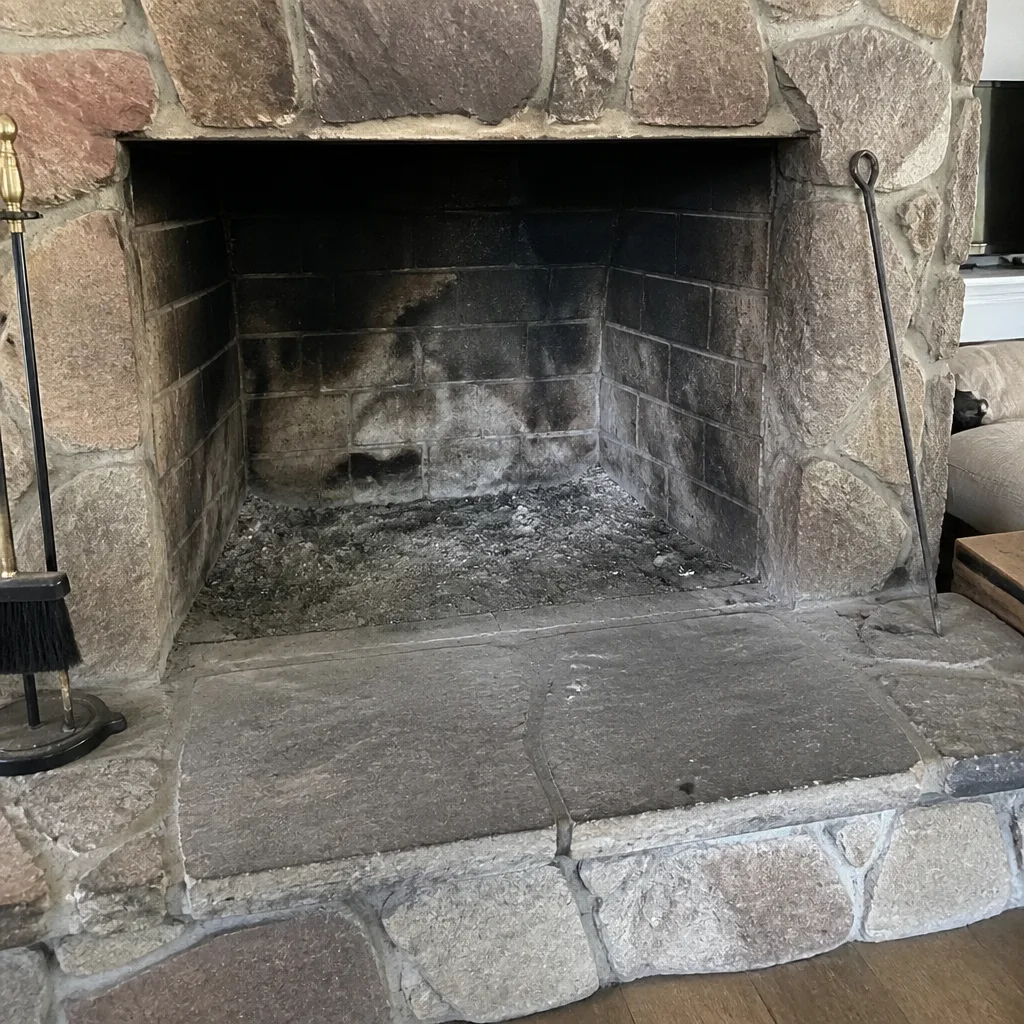 Before
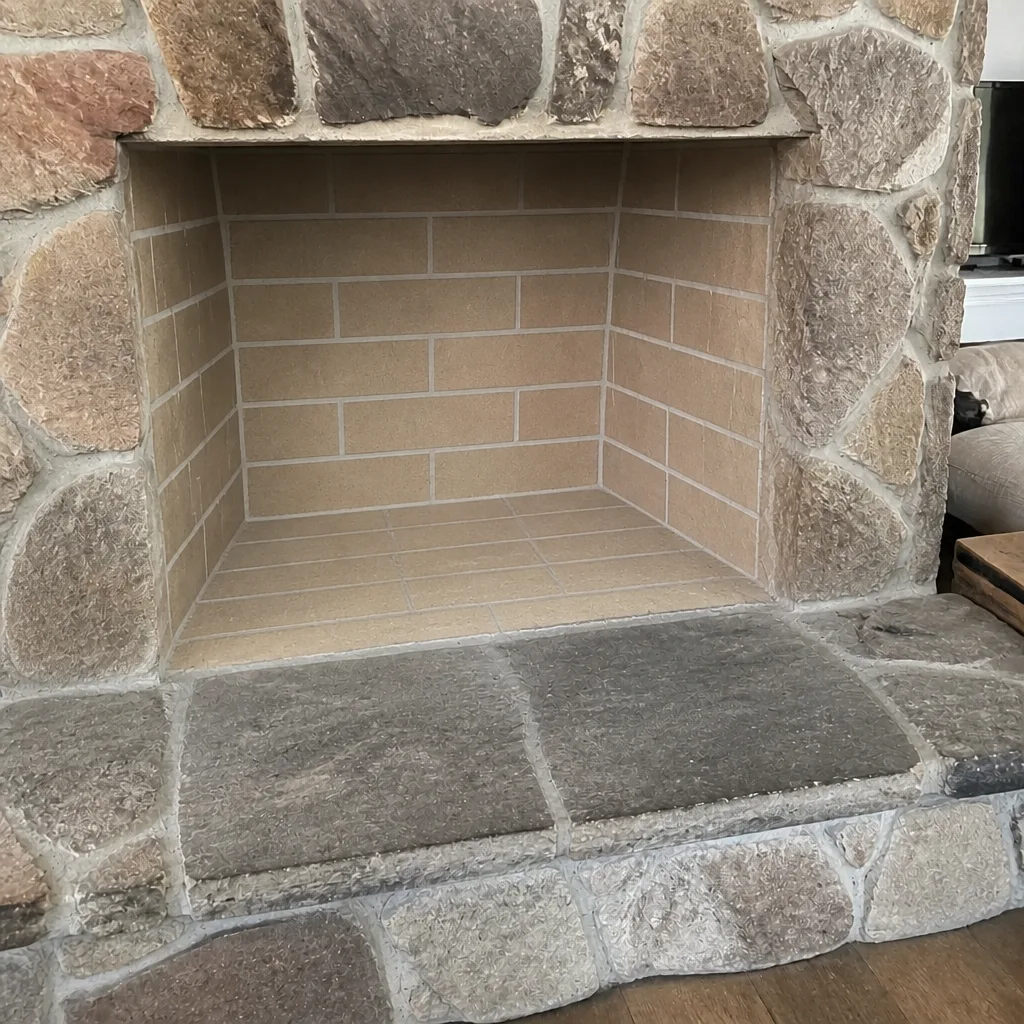 After
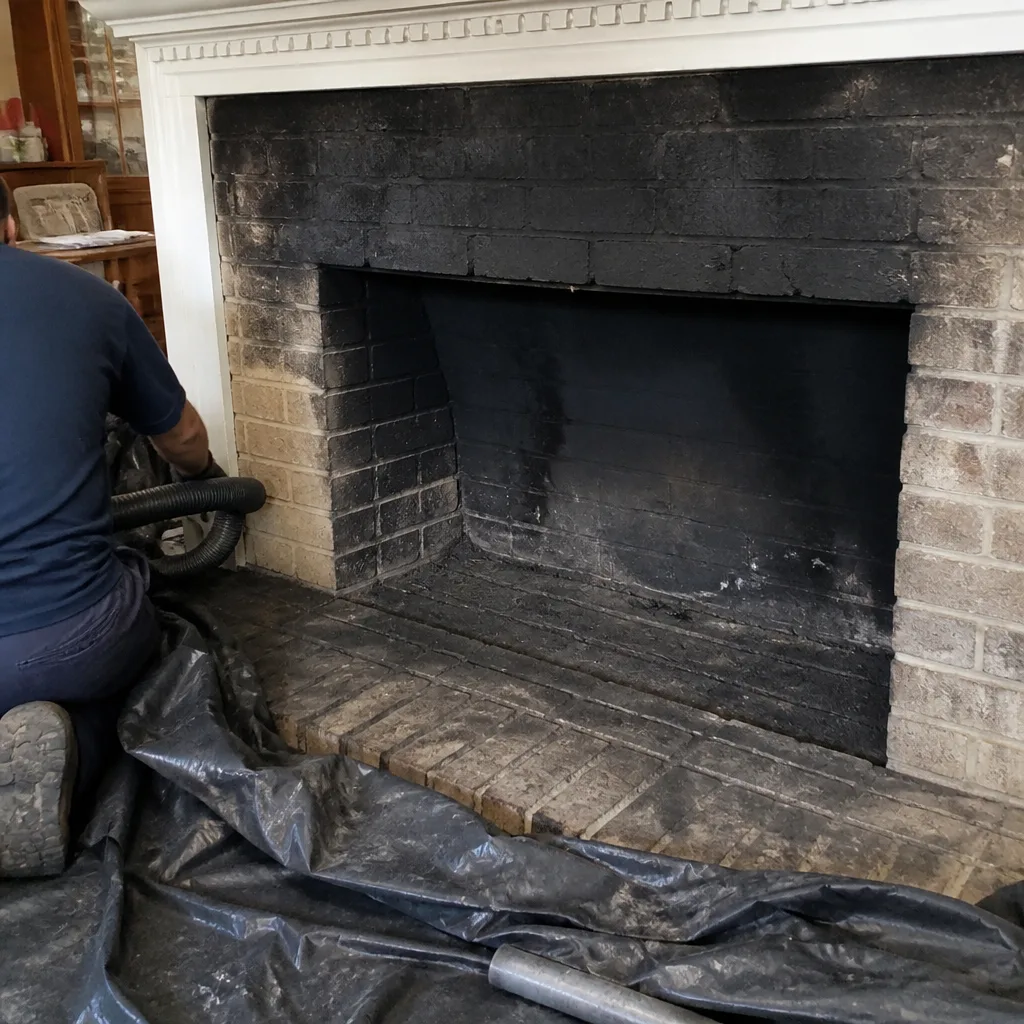 Before
 After
 Before
 After
When to Call a Professional
Call now if you find a cracked or damaged flue liner, crumbling mortar in the smoke chamber, smoke that rolls into the room, a strong smoke smell on a cold chimney, or a chimney that looks like it’s leaning or separating from the house. Call soon for efflorescence, spalling brick, a cracked crown, a rusted or missing cap, a musty summer smell, or a damper that won’t seal. The signs in the first list are gases and structure; the signs in the second are water. Both are worth a visit, and the sooner you fix the water issues, the less they cost.
Yorba Linda Chimney Sweep offers free estimates in Yorba Linda. Call (877) 492-3104. We answer 24/7. Fast dispatch from 7am to 7pm, Sunday through Friday.
Frequently Asked Questions
Once a year for a home that uses the fireplace regularly, and at least once a year for inspection even if the fireplace sits unused. Yorba Linda’s long dry season lets creosote harden between uses, so an annual sweep keeps it from glazing onto the flue walls. If you burn a lot of wood through the cooler months, an added mid-season check is worth it. Call (877) 492-3104 to schedule a sweep and inspection together.
Not every cracked liner needs full replacement. HeatShield is a repair process that restores cracked or spalled liners from the inside, and it saves the cost of a tear-out when the liner is still structurally sound. When the liner is too far gone, a DuraFlex flexible liner system is the rebuild. The only way to know which applies is a camera inspection, and you’ll see the footage before we recommend anything. Call (877) 492-3104 for a free estimate.
Creosote builds up on the flue walls with every fire, and once it reaches a certain thickness it becomes the fuel for a chimney fire. A blocked or damaged flue can also push carbon monoxide back into the house instead of up and out. Neither problem announces itself early; the whole point of a sweep is to catch the buildup before it matters. Call (877) 492-3104 to book your annual sweep.
Yes, it’s a sign of water moving through the masonry. The white deposit is efflorescence, and it means the brick has absorbed water and is now shedding dissolved salts as it dries. Left alone, the wet-dry cycle breaks down the brick faces and leads to spalling. The fix is finding the water source, usually the crown or cap, rather than covering the stain. Call (877) 492-3104 for a free estimate.
It’s a schedule-soon sign, not an emergency. A musty summer smell usually means moisture is trapped in the chimney or in heavy creosote, often because a cap or crown is letting water in. It’s worth a visit to find the entry point before the wet season arrives. Call (877) 492-3104 for a free estimate.
Better on freezing and worse on water and creosote. Mild winters mean freeze damage isn’t the issue here, but long dry seasons let creosote harden and heavy sun exposure drives water to the surface of the masonry. The practical fix is keeping the crown and cap intact so water stays out, and sweeping annually so creosote doesn’t build. Call (877) 492-3104 with any questions about your chimney.
The Bottom Line
Most chimney warning signs fall into two clean categories. Water signs, like efflorescence, spalling brick, a cracked crown, and a rusted cap, damage the structure slowly and belong on the schedule-soon list. Gas signs, like a cracked liner, crumbling smoke chamber mortar, and smoke that rolls into the room, are a health and fire concern and belong on the stop-using list. Smells tell you which one you’re dealing with: musty in summer points to water, sharp smoke on a cold chimney points to the flue. Yorba Linda’s warm, dry climate makes water and creosote the real enemies, and an annual sweep with a camera inspection catches both before they turn into expensive repairs. Look at the outside, look in the firebox, and when a sign shows up, get it checked with evidence you can see.
Contact
If anything in this guide matches what you’re seeing at home, don’t wait for it to get worse. Call Yorba Linda Chimney Sweep at (877) 492-3104 for a free estimate. We answer 24/7. Fast dispatch from 7am to 7pm, Sunday through Friday. From sweep to inspection to repair and cap work, we handle the full job for Yorba Linda homeowners with professional-grade materials and camera evidence you can see for yourself.
Written by the team at Yorba Linda Chimney Sweep.