
Last updated November 25, 2026
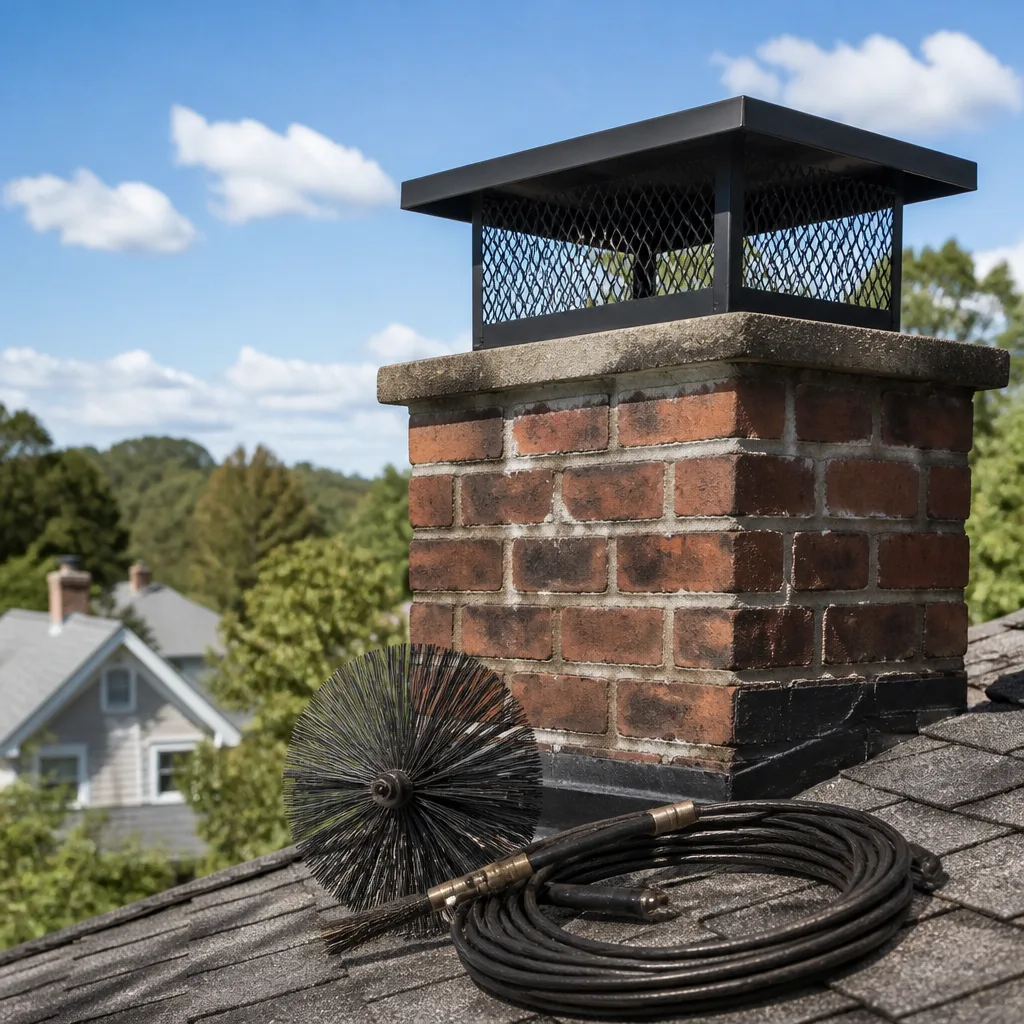 Sweep & inspection
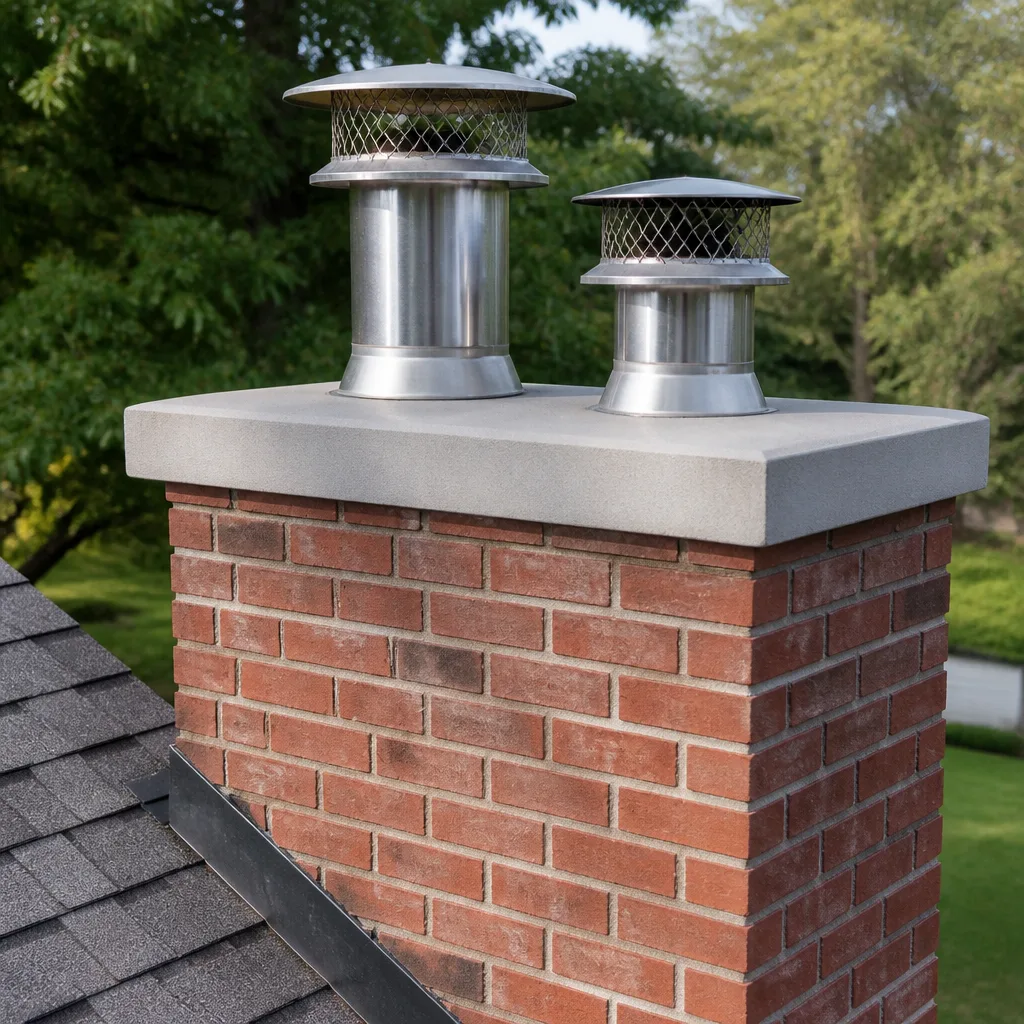 Caps & crowns
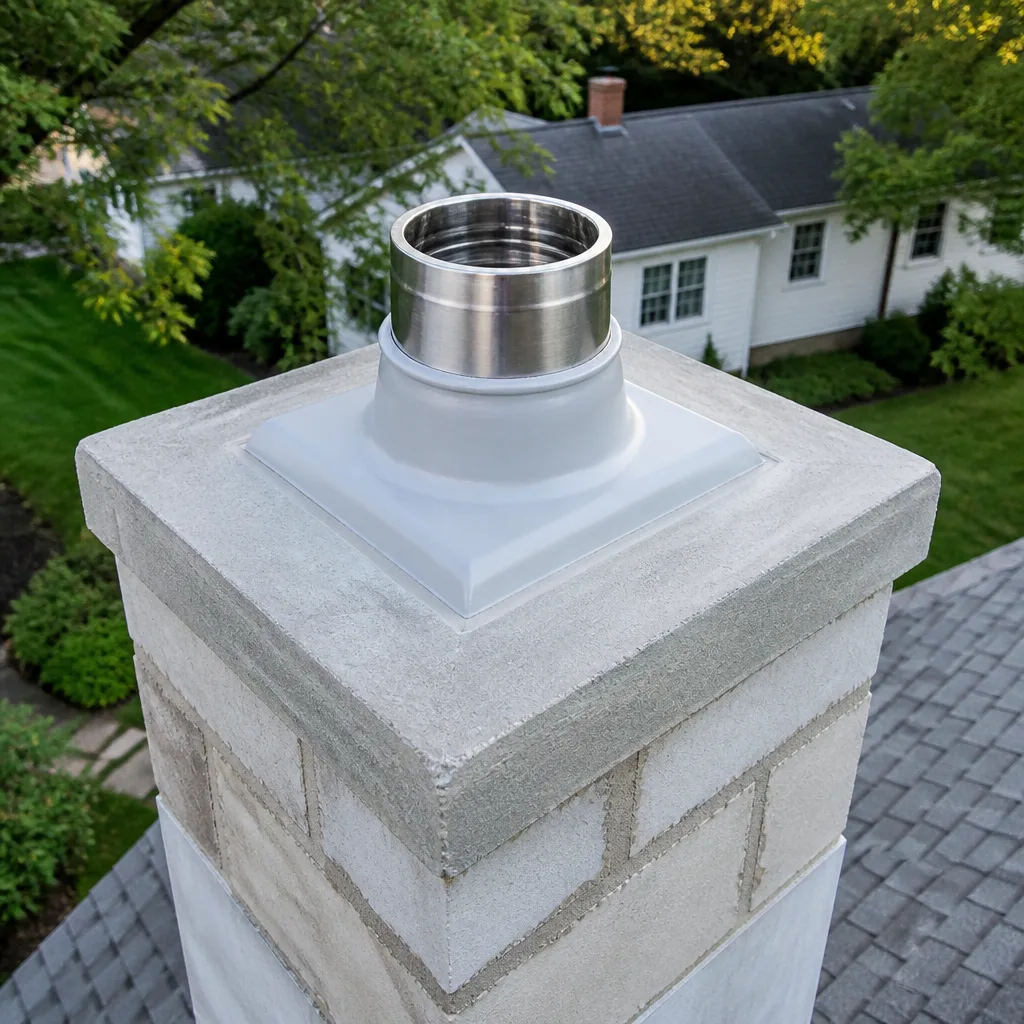 Flue relining
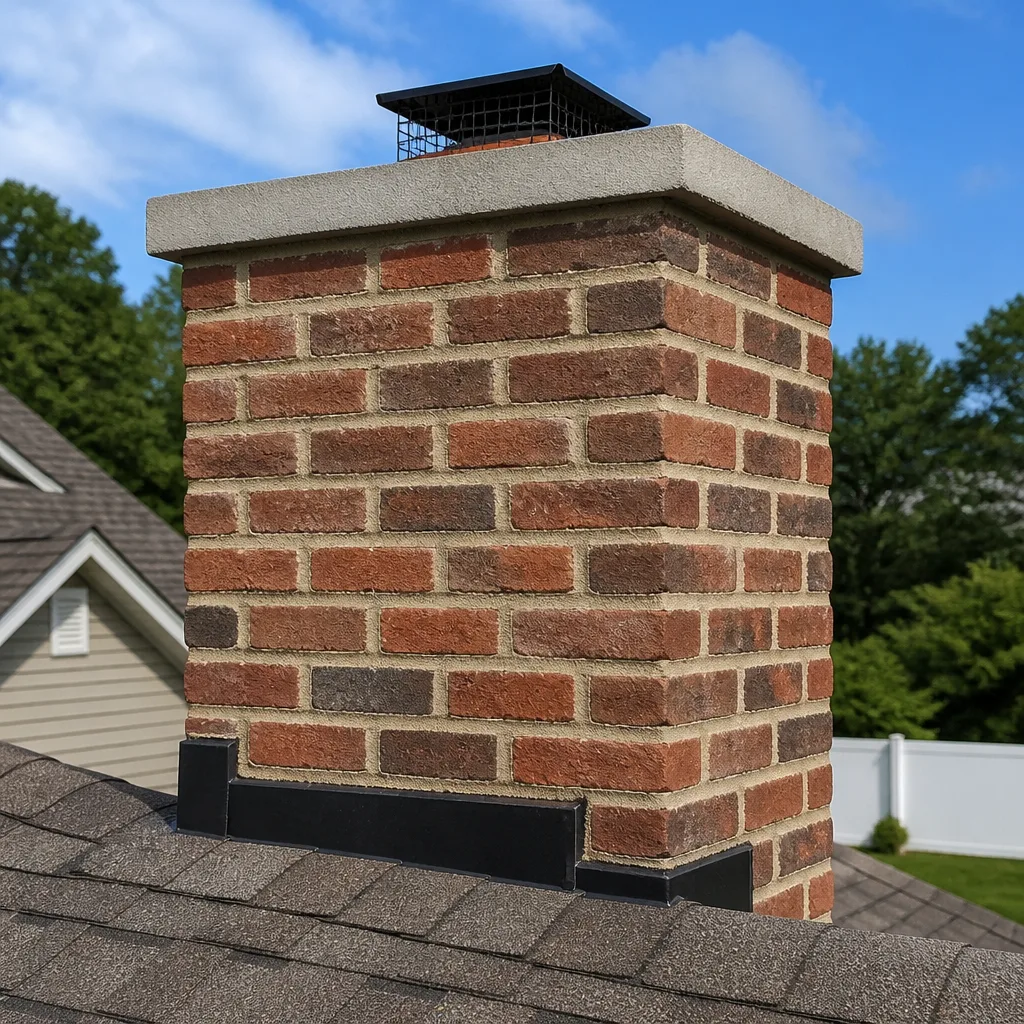 Masonry repair
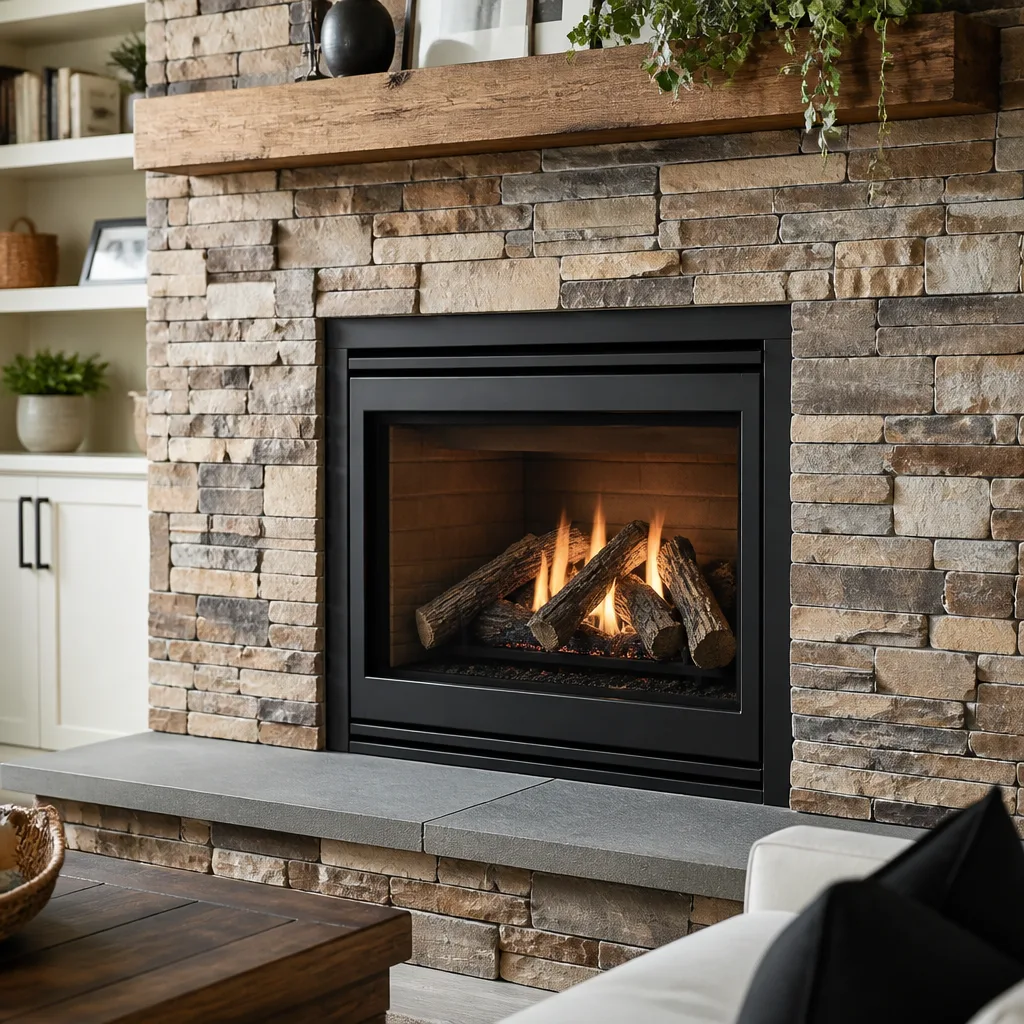 Gas fireplace service
Level 1 sweep and inspection to the NFPA 211 annual standard - flue, crown, cap, and flashing checked and photographed
Chimney sweep logs do not sweep chimneys. They loosen some creosote - which then falls where a brush and vacuum still have to collect it.
Chimney Cleaning Permits, Codes & Inspections in Yorba Linda, CA: What You Need to Know
A basic chimney sweeping almost never needs a permit. Structural work does, and that’s where the trouble starts. Unpermitted liner replacements are among the most common undisclosed items flagged when a Yorba Linda home changes hands, and the reason isn’t corner-cutting. It’s that nobody told the homeowner a permit was required in the first place. A sweep shows up, does clean work, and the owner assumes the paperwork side took care of itself. It didn’t. This guide walks through exactly where the permit line sits under California code, what a Level 2 inspection actually is, and how to check whether past work on a Yorba Linda chimney was done legally before it becomes your problem.
Quick Answer
In Yorba Linda, routine chimney cleaning and inspection generally don’t require a permit, but liner replacement, fireplace modification, and structural chimney repair do trigger a building permit under the California Residential Code. Level 2 inspections are required at real estate transfer, after a chimney fire, and after any change to the flue or appliance, per NFPA 211. When a contractor tells you work was done “to code,” ask for the permit record and the inspection sign-off that prove it.
Styles & brands we work with
- Sweep & inspection
- Caps & crowns
- Flue relining
- Masonry repair
- Gas fireplace service
Table of Contents
- Where the Permit Line Sits: Cleaning vs. Repair in Yorba Linda
- What California Residential Code Requires for Chimneys
- How City of Yorba Linda and Orange County Code Meets NFPA 211
- What a Level 2 Inspection Is and When It’s Mandated
- How to Verify Past Chimney Work Before You Close
- What “Code Compliant” Actually Means on a Chimney Invoice
- How the Permit Process Works for Chimney Repair
- Why Yorba Linda Chimneys Age the Way They Do
Where the Permit Line Sits: Cleaning vs. Repair in Yorba Linda
The dividing line is simple to state and easy to miss in practice: anything that removes soot and creosote is maintenance, and anything that alters the chimney system is construction. Cleaning falls on the maintenance side. Liner replacement, crown rebuilding, firebox repair that changes dimensions, and any new appliance connection fall on the construction side. Most Yorba Linda homeowners never think about the second category until a contractor is already on the roof.
Permit-exempt work in Yorba Linda typically includes:
- Routine sweeping of a wood-burning flue
- Visual inspection and camera inspection of the flue
- Cleaning of the firebox and smoke chamber
- Removal of a bird nest, debris, or creosote buildup
- Replacing a chimney cap on the existing crown without altering the flue
Work that generally requires a building permit includes:
- Relining a chimney with a new liner system (DuraFlex or otherwise)
- Converting a wood-burning fireplace to gas or a gas insert installation
- Rebuilding or altering a chimney crown, and any structural masonry repair
- Adding, removing, or relocating a chimney or flue
- Any change to the appliance that affects venting
We use the word “generally” deliberately. Local building departments interpret the code, and interpretations vary. Before any repair work begins, we recommend confirming the permit requirement with the City of Yorba Linda Building Division. That single phone call has saved more homeowners from an unpleasant surprise at resale than any other step in this guide. When work truly is repair-only, our chimney repair service is scoped so you know which category it lands in before anything starts.
What California Residential Code Requires for Chimneys
California Residential Code Chapter 10 governs chimneys and vents, and it maps closely to the standards the national trade has followed for decades. The point most homeowners miss is that the code doesn’t just describe how a chimney should be built. It also defines when work on an existing chimney needs to be inspected and signed off. Pulling a permit isn’t paperwork for its own sake; it’s how the work gets verified by a third party who doesn’t work for the contractor.
The core requirements a Yorba Linda chimney must meet:
- Clearances to combustibles. A minimum separation between the chimney structure and any combustible material, verified at framing, roof, and ceiling penetrations. This is where unpermitted repairs most often fail review.
- Flue liner integrity. A continuous liner, properly sized to the appliance, with no cracks, gaps, or spalling. Any liner replacement needs a listed liner system rated for the fuel type it serves.
- Height above the roofline. The chimney must terminate at the correct height relative to the roof slope and any nearby structure, so draft works and smoke doesn’t eddy back into the living space.
- Cap and spark arrestor. A properly fitted cap protects the flue from water entry and wildlife; the arrestor is the fire safety component.
- Connector and appliance compatibility. The flue must match the appliance – wood, gas, or oil – and the appliance must be listed for the venting configuration.
That last point matters most in Yorba Linda, where gas log sets are common in homes built through the 1980s and 1990s. A flue sized and lined for wood doesn’t automatically suit a gas appliance, and the reverse is true. If you’re converting, the liner work is what triggers the permit. HeatShield restoration is a different case entirely: when the existing liner can be resurfaced instead of torn out, the scope of work shrinks, and it’s worth asking whether that option applies before you accept a full reline quote.
How City of Yorba Linda and Orange County Code Meets NFPA 211
You’ll see NFPA 211 cited on inspection reports and contractor invoices in Yorba Linda, and it’s worth understanding what role it actually plays. NFPA 211 is the national standard for chimneys, fireplaces, vents, and solid fuel-burning appliances. It is not itself a law. But when California code is silent or ambiguous on a specific detail, building departments and inspectors lean on NFPA 211 as the recognized standard of care. In practice, both apply, and a properly inspected chimney is one that satisfies both layers.
Here’s how the two layers stack up:
- California Residential Code sets the legal requirement. It’s what the permit is issued under and what the building inspector signs off on.
- NFPA 211 sets the technical standard. It’s where the definitions of inspection Levels 1, 2, and 3 come from, along with the creosote buildup thresholds that determine when a sweep is due.
- City of Yorba Linda and Orange County administer both. Local jurisdiction handles permitting, plan review, and inspection scheduling for work within the city.
Where this matters to you as a homeowner is in the grey area of a repair that looks cosmetic but isn’t. A cracked crown that lets water into the smoke chamber is a structural problem wearing a cosmetic mask. An inspector applying NFPA 211 will call it out; a quick patch job won’t. We work with Copperfield and Gelco components because the code-required clearances and ratings are documented on the product, which is what makes a repair defensible when questions come up later. From sweep to repair to cap, the goal is that every piece of a Yorba Linda chimney can be traced back to the standard it satisfies.
What a Level 2 Inspection Is and When It’s Mandated
A Level 2 inspection is a thorough, camera-based evaluation of the entire chimney system, including the flue interior, all accessible portions of the chimney exterior and interior, and the connections to the appliance. It goes well beyond the visual-only Level 1 that accompanies a routine annual sweep. The camera work is what makes it different, and it’s the reason a Level 2 can find a hairline flue crack a Level 1 never would.
Under NFPA 211, a Level 2 inspection is required in specific circumstances:
- Real estate transfer. When a property changes hands, a Level 2 inspection establishes the condition of the chimney for the buyer and seller.
- After a chimney fire. Even a small, quickly-extinguished fire can crack a liner or warp a component. The inspection is how you know.
- After any change to the system. A new appliance, a fuel conversion, a reline, or a change to the venting configuration all require a Level 2.
- After an event that likely caused damage. A seismic event, a lightning strike, or a prolonged water intrusion that you suspect has affected the flue.
- When a Level 1 reveals a problem that needs closer investigation. The Level 1 is the first look. The Level 2 is the diagnostic follow-up.
A Level 3 inspection is rare and reserved for situations where concealed portions of the chimney must be accessed, typically during demolition or after a serious event. For most Yorba Linda homeowners, the practical picture is this: a Level 1 with every routine chimney sweep, a Level 2 at transfer or after any structural work. Our Yorba Linda Chimney Sweep page covers how the inspection is structured when we come out.
How to Verify Past Chimney Work Before You Close
If you’re buying a Yorba Linda home with an existing fireplace or wood stove, verifying past chimney work is one of the checks that’s easiest to skip and most expensive to miss. An unpermitted reline isn’t necessarily dangerous, but until it’s inspected you don’t know, and the cost of making it right after closing lands on you. The good news is that the verification process is straightforward and, for the most part, free.
- Ask the seller for a disclosure of chimney work. Any reline, cap replacement, crown repair, or fireplace conversion should be listed with the contractor who did it.
- Pull the permit history from the City of Yorba Linda Building Division. Ask for permits by address. A permit on file with a final inspection sign-off is the gold standard.
- Compare the permit record to the work you can see. A new stainless liner visible through the flue should correspond to a permit for a liner installation. A rebuilt crown should correspond to a masonry or structural permit.
- Check whether the final inspection was signed off. A pulled permit without a final sign-off is an open item, and it can slow a sale or surface later as an unresolved code violation.
- Order a Level 2 inspection as part of your due diligence. This is the part the permit record can’t tell you – whether the work, permitted or not, was done correctly.
The camera evidence from a Level 2 is the thing that closes the question. If a liner is sound, you’ll see it. If a joint is failing, you’ll see that too, and you’ll know exactly what you’re negotiating before you sign. That is the difference between a chimney contingency you can price and one you’re guessing at. Our fireplace repair service often begins with this inspection and ends with a recommendation, not a sales pitch. If the fireplace and flue are in good shape, we say so and the work can wait.
What “Code Compliant” Actually Means on a Chimney Invoice
“Code compliant” is one of the most overused and least verifiable phrases in this trade. On a chimney repair invoice, it should mean something specific and traceable. It should mean the work was done with materials that carry the required listings and ratings for the fuel type served, that the installation was performed in a manner that meets the applicable code section, and that the result was inspected by someone other than the person who did the work.
When you’re evaluating a repair quote in Yorba Linda, here’s how to tell a real claim from marketing language:
- Is a permit required for this work, and does the quote say who pulls it? If the answer is “no permit needed” on a liner replacement, ask why in writing. Get the explanation into the quote.
- Are the materials named? A professional-grade liner from DuraFlex or a HeatShield restoration system is a documented product with a listed rating. “A high-quality liner” tells you nothing.
- Is the scope described in writing? Liner replacement includes the liner, the connection to the appliance, the top plate, and the cap. If those line items aren’t in the quote, they may not be in the job.
- Is the inspection separate? A final inspection is the verification step. On permitted work, that’s the building department. On repair work, it’s a documented post-installation inspection by the contractor.
- Is there a written warranty on the installation? Manufacturer warranties cover the product; installation warranties cover the work. Both should be on paper.
The invoice should read like a record, not a slogan. If a contractor can’t tell you the specific brand, the specific code section, and who inspects the work when it’s done, that’s your answer. Our inspection service is a structured offering for exactly this reason – so the “how we know it’s right” part has a paper trail you can keep with the house. A chimney cap or crown installation, for example, protects against the leading cause of chimney water damage, and when that work is done through us, the material and method are documented on your paperwork.
How the Permit Process Works for Chimney Repair
If your work falls on the permit side of the line, the process follows a familiar path. It’s worth knowing because it tells you what a legitimate contractor’s timeline looks like and where the delays typically come from. A permit is not a red flag on a quote. It’s the opposite – it’s a signal that the contractor expects the work to be reviewed.
- Scope is defined. The contractor determines what the work is, whether it requires a permit, and which code sections apply. This is where the liner rating, appliance compatibility, and clearance requirements are settled.
- The permit application is submitted. The contractor pulls the permit from the City of Yorba Linda Building Division, typically with a description of the work and the materials to be used.
- Plan review happens, if needed. Simple repairs often clear quickly. More involved structural or conversion work may go through plan review.
- The permit is issued and work begins. No structural work should start before the permit is in hand. If you’re asked to sign off on work beginning without a permit, that’s a problem.
- The work is inspected. A building inspector reviews the installation against the code and NFPA 211. Any corrections are made and re-inspected.
- Final sign-off is recorded. This is the item that follows the house through its life and shows up clean on a future sale.
We’ve seen what happens when a step gets skipped. The work may be fine. The paper trail isn’t, and it surfaces when the house changes hands. The simplest protection is to ask, in writing, who pulls the permit and who signs off on the final inspection. Any contractor who does this work routinely will have that answer ready. If the estimate is free and the price is set per job by the written estimate, the paperwork side should be just as clear.
Why Yorba Linda Chimneys Age the Way They Do
Yorba Linda’s climate is mild, and that’s the fact that shapes how chimneys here age. The absence of hard freezes means masonry doesn’t take the freeze-thaw punishment common in colder regions. What it does take is moisture, and in this part of Orange County, moisture is a year-round concern rather than a seasonal one. The rainy season brings water, the dry months bake it back out, and the cycle repeats. A cracked crown or a missing cap accelerates that cycle every time it rains. Water that gets past the crown travels into the smoke chamber and the flue, and that’s where liner deterioration most often begins.
Creosote is the other factor. A wood-burning fireplace used regularly through cool months builds up creosote in the flue, and the rate of buildup depends on the wood you burn, how hot the fire runs, and how much air the appliance draws. A flue with heavy buildup is a fire risk, which is why creosote removal is the central part of a routine sweep and why the NFPA 211 threshold for a sweep is a buildup of one-eighth of an inch. That threshold applies regardless of geography, but the timing of when you hit it in Yorba Linda depends on how you burn. A fireplace used for ambiance a few times a season will need a sweep less often than one used as a heat source through the cooler months.
Housing stock matters too. Homes built through the 1970s and 1980s often have original masonry chimneys with clay tile liners that have now had decades of thermal cycling. Those liners are candidates for HeatShield restoration when the deterioration is surface-level, and for a full DuraFlex liner replacement when it’s not. Homes from later decades are more likely to have factory-built systems where a cracked liner section is a direct replacement rather than a restoration. The age and type of the system determines which option applies, and a proper inspection is what tells you which one you’re looking at. That is the diagnostic step, and it should come before any recommendation and any invoice.
Common Mistakes to Avoid
- Assuming a sweep and a reline fall under the same rules. One is maintenance and one is construction, and treating them as interchangeable is how unpermitted liner work happens in Yorba Linda.
- Accepting “it’s fine” for chimney work at closing without a Level 2 inspection. A seller’s assurance and a camera-verified condition report are two different things, and only one of them protects you after you sign.
- Not checking for a final inspection sign-off on a past permit. A permit that was pulled but never closed is an open item, and it can surface as a code violation when you sell.
- Treating “code compliant” on an invoice as the end of the conversation. Ask which code, which material, and who inspected it. If those answers are vague, the claim is vague.
- Skipping the cap and crown because the flue looks clean. Water entry through the crown and a missing cap is the leading cause of chimney damage, and it’s invisible until it reaches the liner.
- Using a general handyman for structural chimney work. Clearances, liner ratings, and venting compatibility are specialist territory, and a mistake there doesn’t surface until inspection or, worse, a fire.
- Waiting on a repair that was flagged but not urgent. Some repairs can safely wait a season. Others get more expensive every rain. The distinction matters, and a proper inspection should tell you which is which.
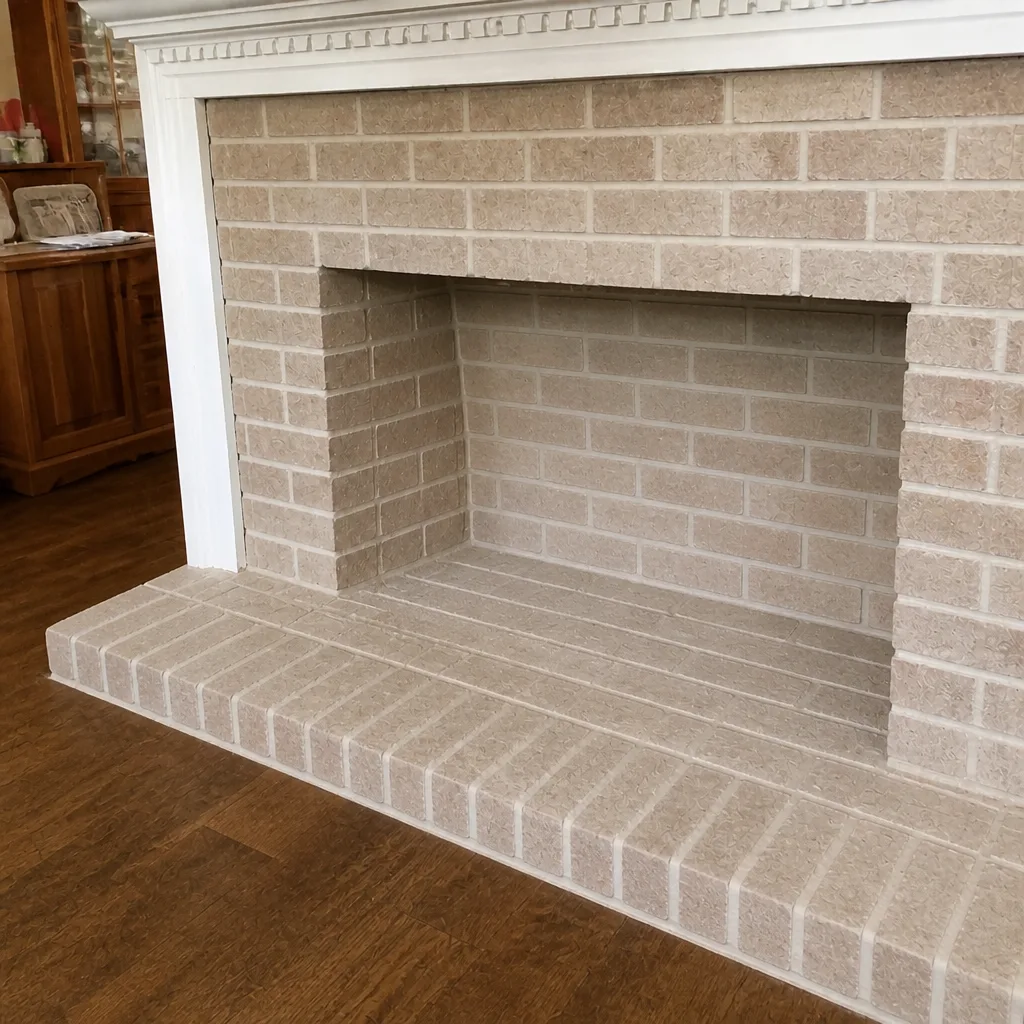
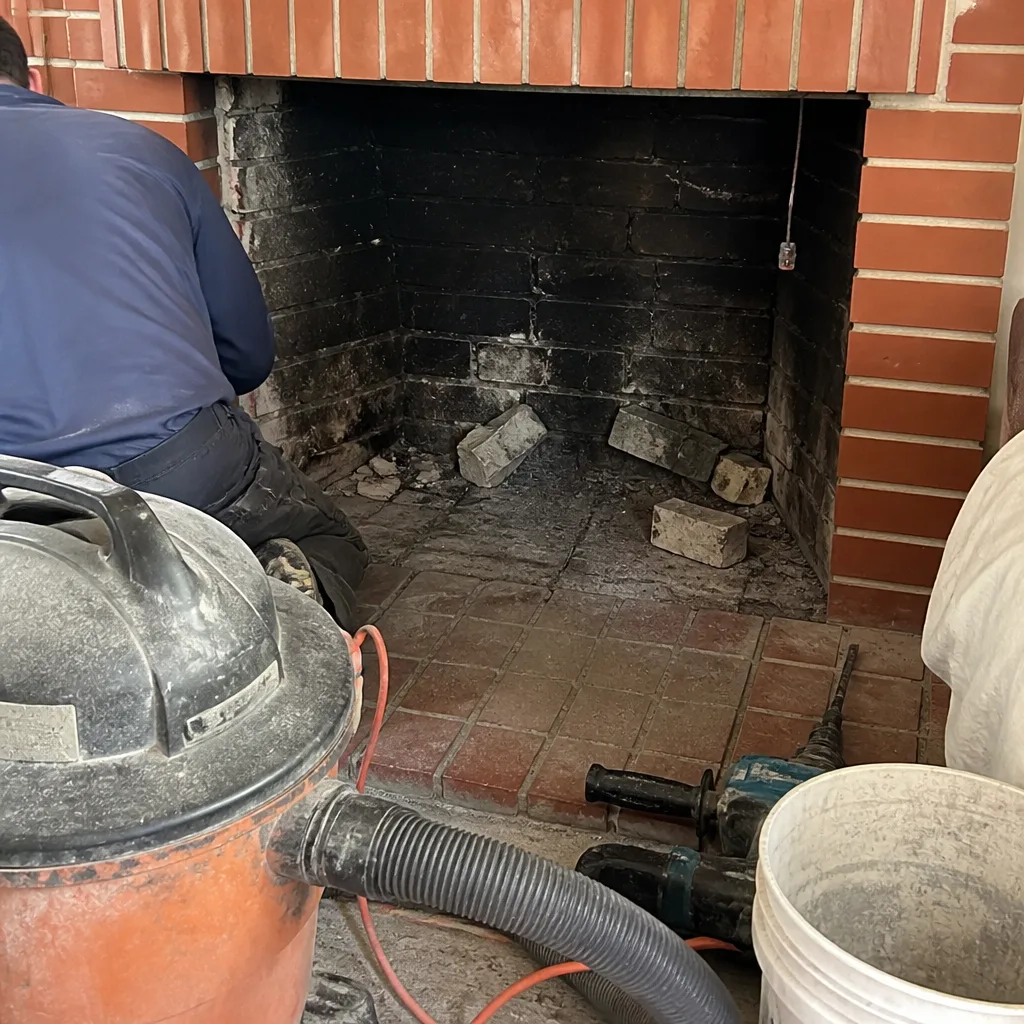
See the difference
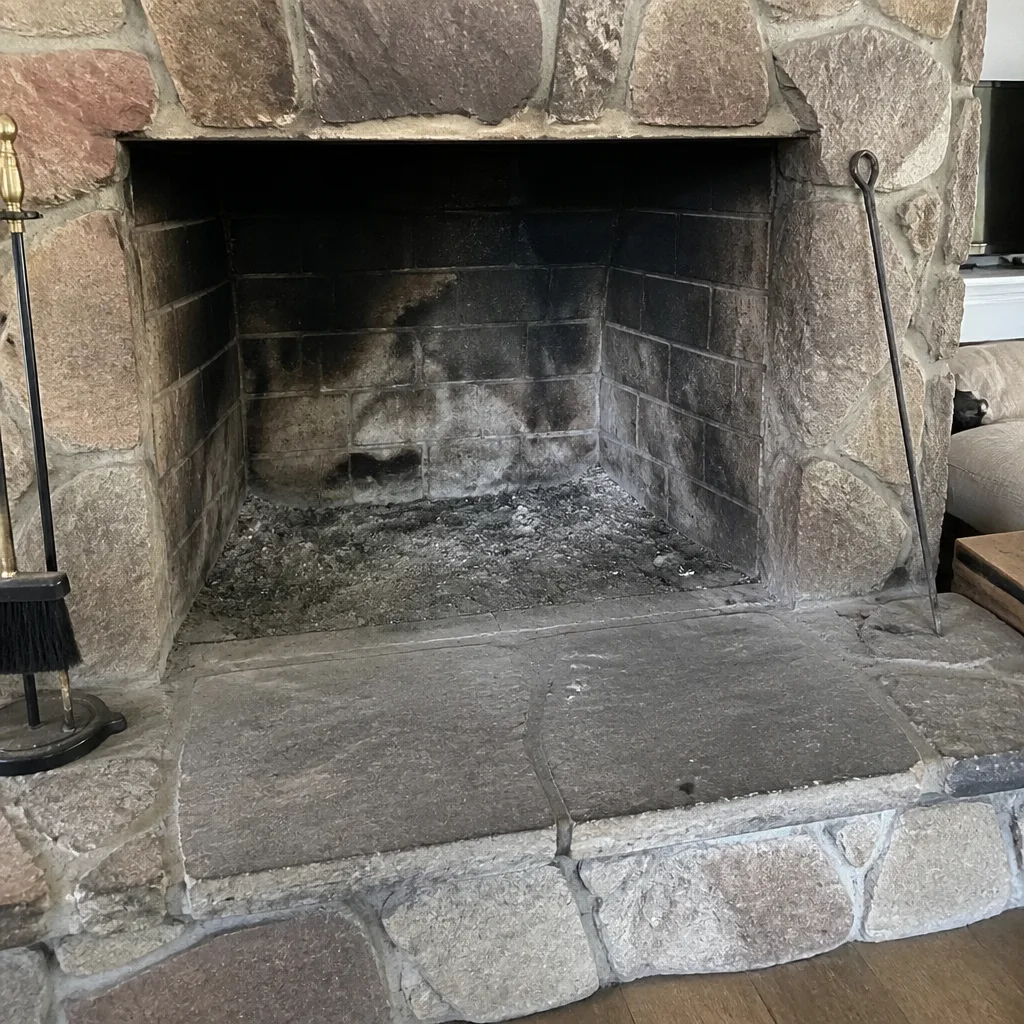 Before
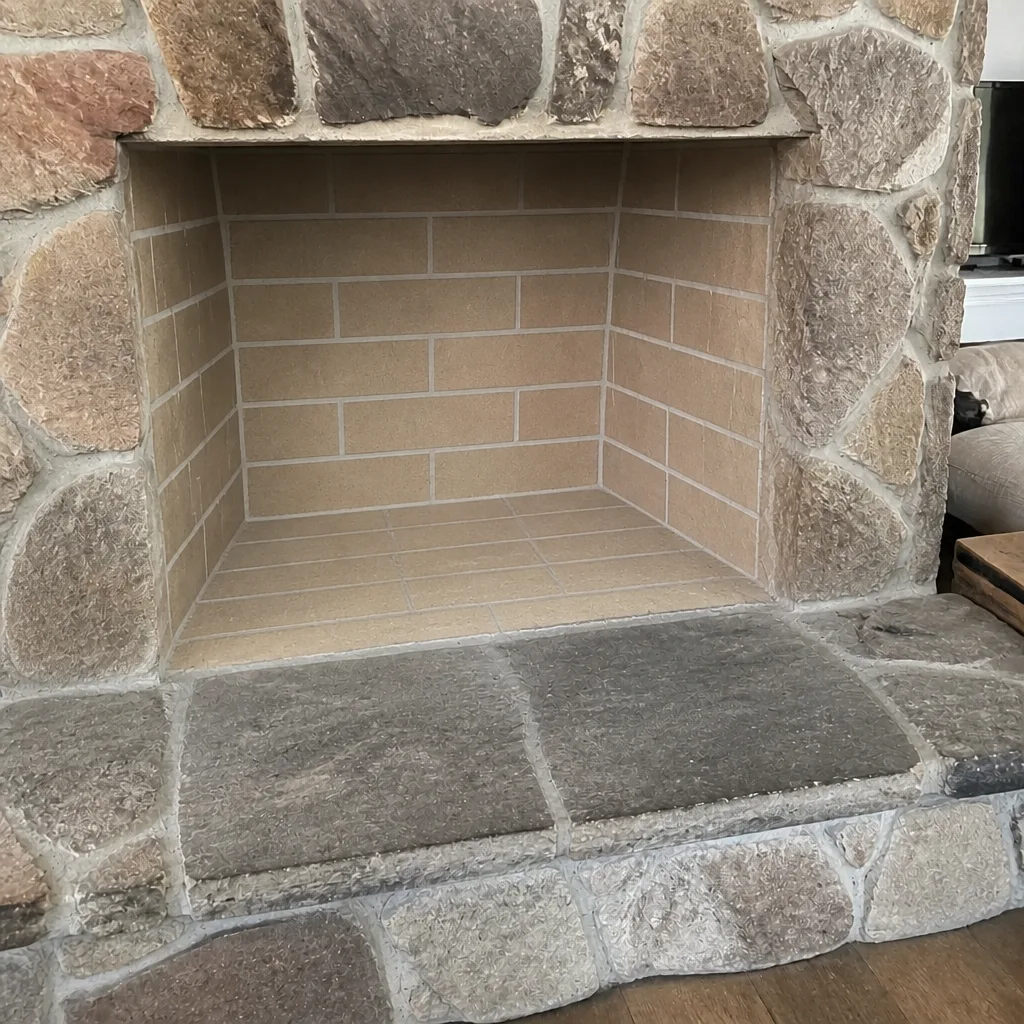 After
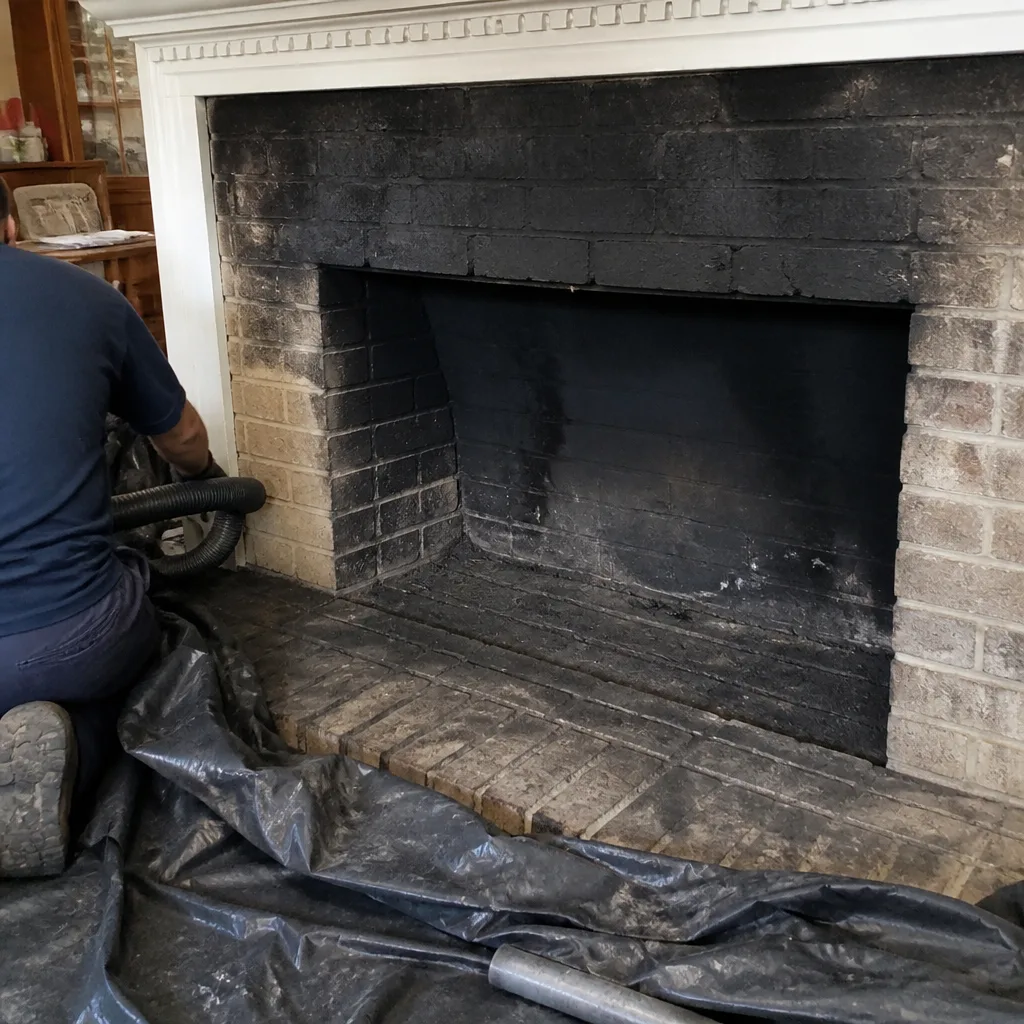 Before
 After
 Before
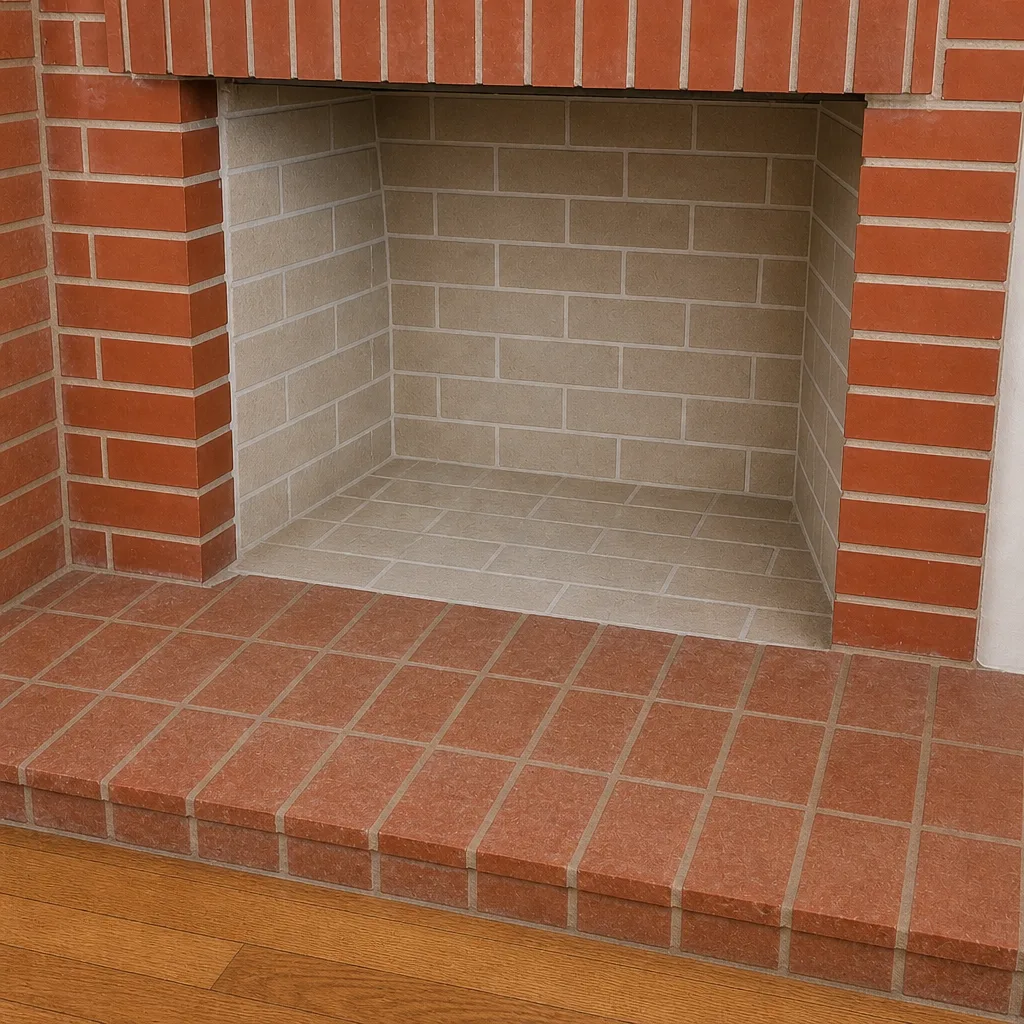 After
When to Call a Professional
Call us when the question is bigger than “is the chimney dirty?” That includes any time a repair quote mentions a liner, a crown, a conversion, or structural work, because those are the jobs where the permit line has to be settled. Call when you’re buying or selling a Yorba Linda home with an existing fireplace and need a Level 2 inspection before closing. Call when you’ve had a chimney fire, even a small one, or when you notice water staining near the firebox or on the ceiling near the chase. Call when a past repair’s paperwork doesn’t add up and you want to know what’s actually there. Yorba Linda Chimney Sweep offers free estimates in Yorba Linda – call (877) 492-3104. We answer 24/7. Fast dispatch from 7am to 7pm, Sunday through Friday. Our technicians have up to 9 years of experience, and every recommendation starts with what the camera found, not what we’d like to sell.
Frequently Asked Questions
No. Routine chimney cleaning and a Level 1 inspection are maintenance and don’t require a building permit in Yorba Linda. Permits come into play when the work alters the chimney system, such as a liner replacement, crown rebuild, or fireplace conversion. If you’re ever unsure which category a job falls into, ask the City of Yorba Linda Building Division before work begins. Call (877) 492-3104 for an exact quote – estimates are free.
In most cases, yes. A liner replacement is a structural alteration to the venting system, and it typically requires a building permit under the California Residential Code. The permit is how the installation gets verified by a third party, and the final sign-off is what protects you at resale. Ask any contractor whether they pull the permit before you accept the quote. Call (877) 492-3104 for an exact quote – estimates are free.
A Level 1 inspection is a visual check of the accessible portions of the chimney and is what accompanies a routine sweep. A Level 2 inspection is a thorough, camera-based evaluation of the entire system, including the flue interior and appliance connections, and it’s required at real estate transfer, after a chimney fire, and after any change to the system. Both are defined in NFPA 211. Call (877) 492-3104 for an exact quote – estimates are free.
Request the permit history for the address from the City of Yorba Linda Building Division. Look for permits related to the chimney or fireplace, and check whether each has a final inspection sign-off. A pulled permit without a final sign-off is an open item on the property, and it’s worth resolving before closing. Call (877) 492-3104 for an exact quote – estimates are free.
It should mean the work used materials with the required listings and ratings for the fuel type served, was installed to the applicable code section, and was inspected by someone other than the person who did the work. Ask which code, which material, and who inspected it. If those answers are concrete and in writing, the claim is real; if they’re vague, it isn’t. Call (877) 492-3104 for an exact quote – estimates are free.
An annual inspection is the standard, and a sweep is due when creosote buildup reaches the NFPA 211 threshold of one-eighth of an inch. Homes that burn wood regularly through the cooler months will hit that threshold sooner than homes that run the fireplace a few times a season. Gas fireplaces still need an annual inspection even though they produce little creosote. Call (877) 492-3104 for an exact quote – estimates are free.
The Bottom Line
Routine cleaning in Yorba Linda rarely needs a permit. Structural work almost always does. The line between the two is where unpermitted work most often hides, and the paper trail is what separates a clean repair from a problem that follows the house to closing. A Level 2 inspection is the tool that finds what an eyeball misses, and it’s mandated at transfer, after a fire, and after any change to the system. When a contractor says “code compliant,” make them say which code, which material, and who inspected it. From sweep to repair to cap, we’re glad to put that in writing for you.
Read more about how we handle the full scope of chimney work on our Yorba Linda Chimney Sweep page, and if you’ve bought a home with a fireplace and no paperwork, call us. A free estimate and a clear recommendation are the first step. Call (877) 492-3104. We answer 24/7. Fast dispatch from 7am to 7pm, Sunday through Friday.
Written by the team at Yorba Linda Chimney Sweep.