
Last updated November 25, 2026
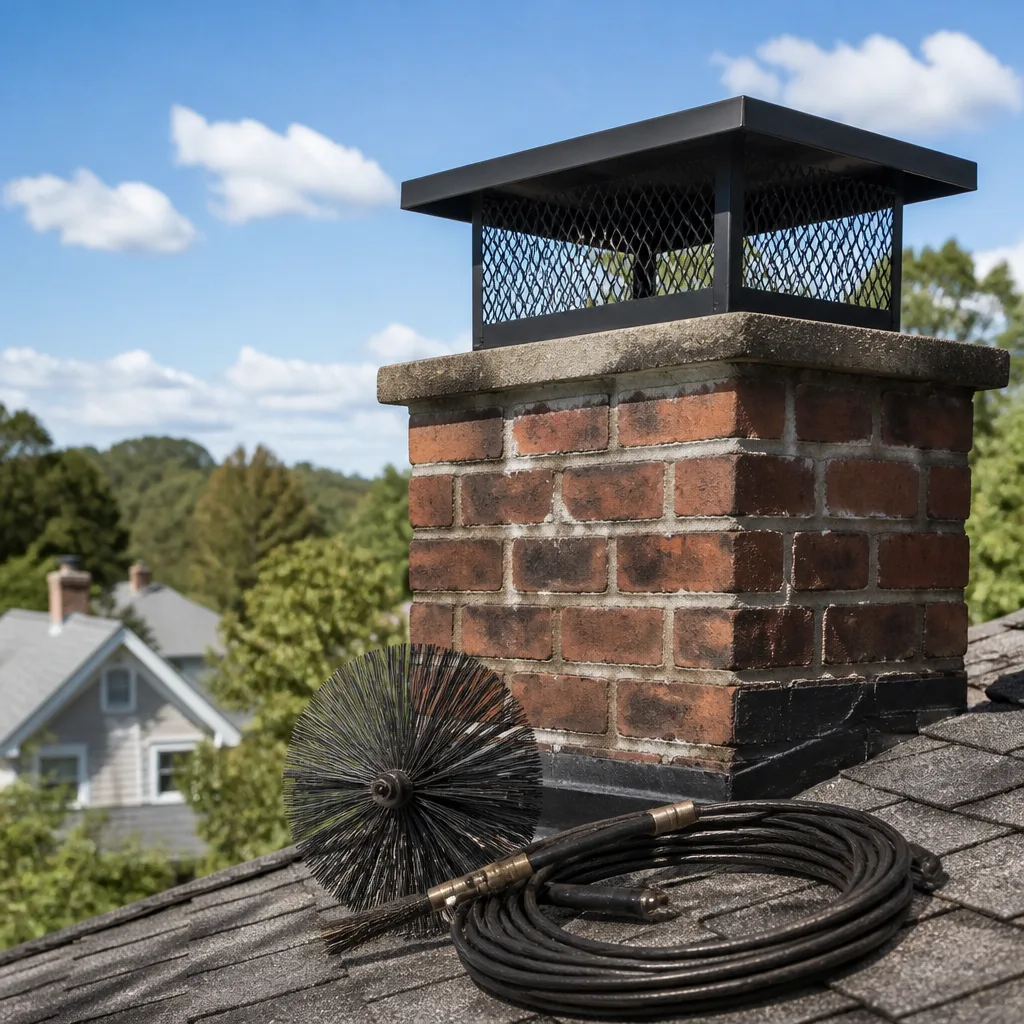 Sweep & inspection
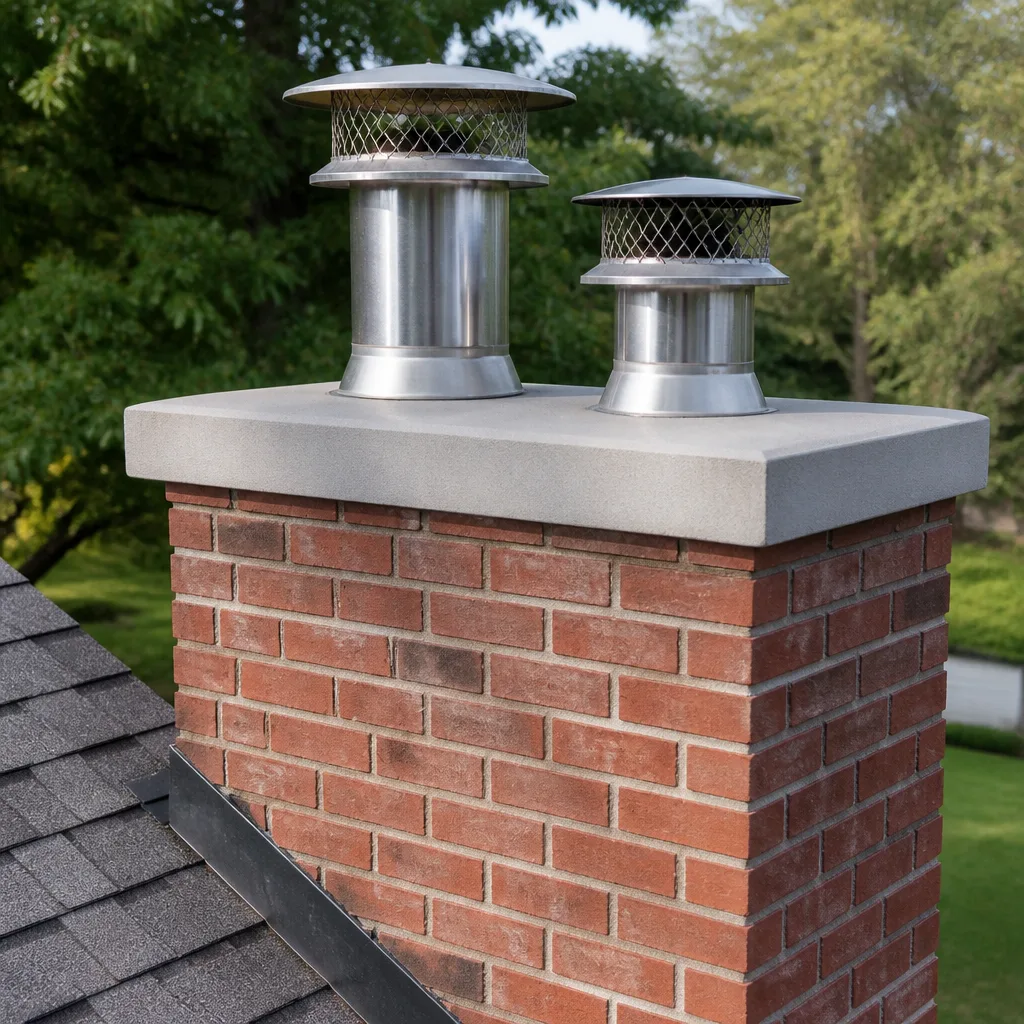 Caps & crowns
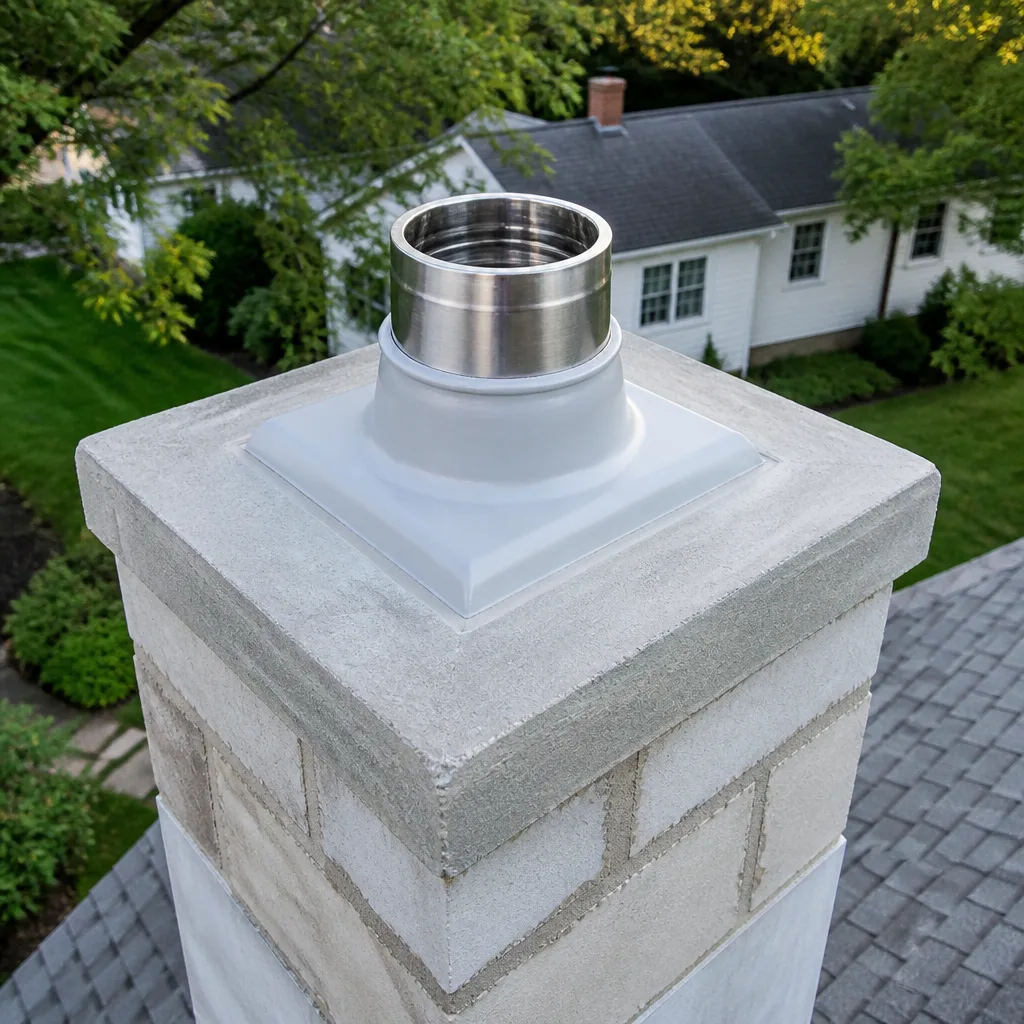 Flue relining
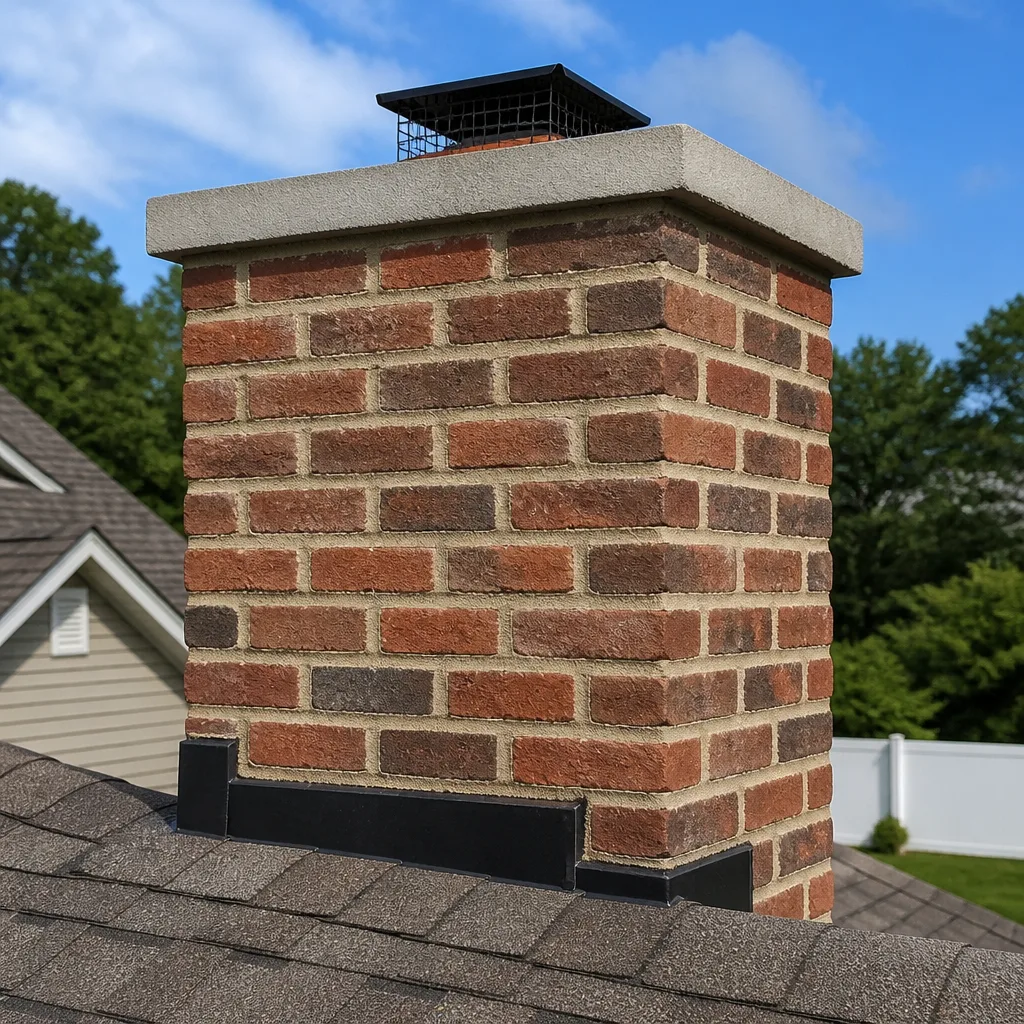 Masonry repair
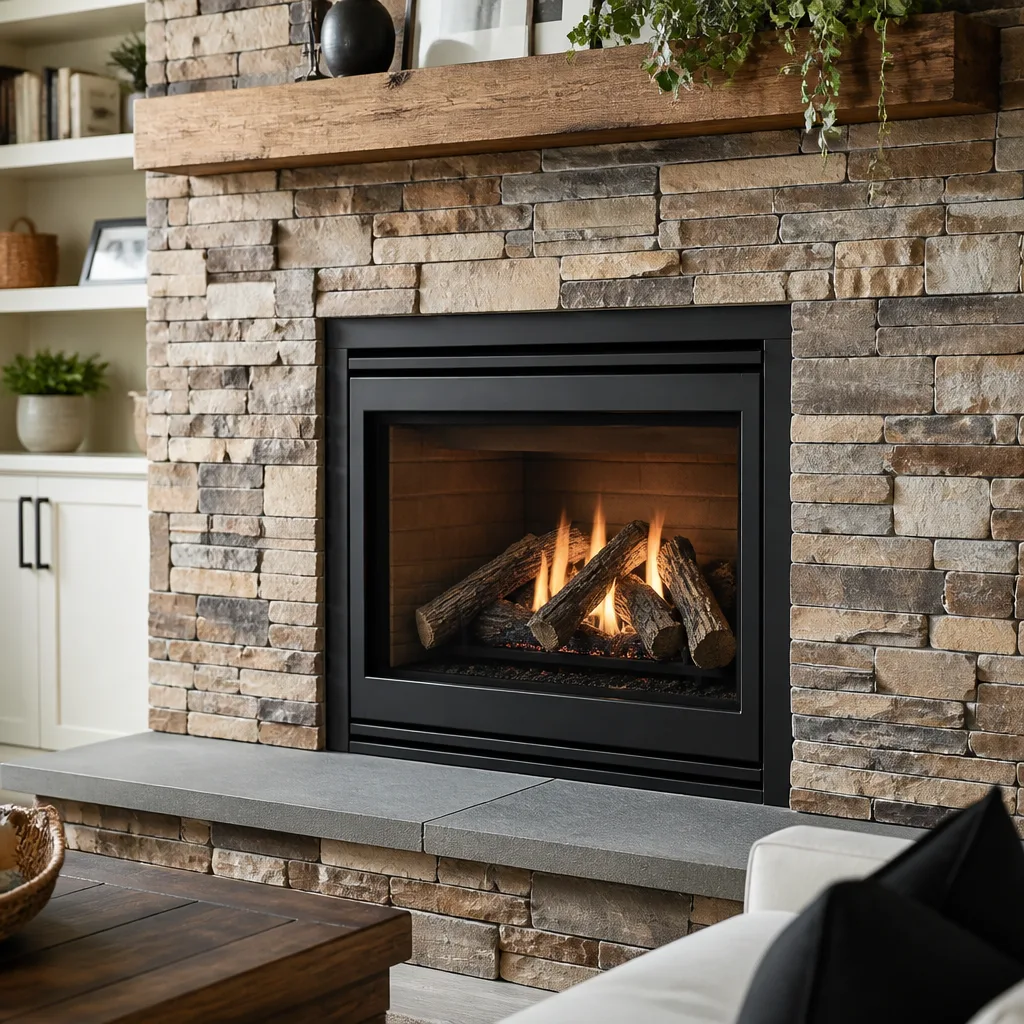 Gas fireplace service
Level 1 sweep and inspection to the NFPA 211 annual standard - flue, crown, cap, and flashing checked and photographed
Chimney sweep logs do not sweep chimneys. They loosen some creosote - which then falls where a brush and vacuum still have to collect it.
Chimney Cleaning Emergency Preparedness Guide for Yorba Linda Homes
Most chimney guides treat winter as the danger season. In Yorba Linda, the calendar runs differently. Santa Ana winds arrive in fall, the hills above town cure to a crisp, and a fireplace that seemed harmless in July becomes part of a larger fire picture by October. The other threat is quieter: a slow, low chimney fire that burns inside a flue for an hour and never makes a sound you’d recognize. This guide covers both. You’ll learn how to spot an active chimney fire, how to close the entry points embers exploit, what to inspect after an event, and how routine service reduces your exposure before the season starts.
Quick Answer
Chimney emergency preparedness in Yorba Linda comes down to two things: keeping your flue clean enough that creosote never reaches ignition thickness, and keeping your cap and spark screen intact so wildfire embers can’t enter the chimney. A yearly sweep and inspection catches both problems early, and after any fire or smoke event near your home, a professional assessment before you burn again is the correct next step.
Styles & brands we work with
- Sweep & inspection
- Caps & crowns
- Flue relining
- Masonry repair
- Gas fireplace service
Table of Contents
- How do you know a chimney fire is happening right now?
- What should you do the moment you suspect a chimney fire?
- How do chimney caps and spark arrestors stop wildfire ember intrusion?
- What has to be inspected after a chimney fire before reuse?
- Pre-fire-season prep for Yorba Linda: cap, screen, crown, and debris
- What should you document for insurance after a chimney or smoke event?
- How does routine maintenance lower your emergency risk?
How do you know a chimney fire is happening right now?
A chimney fire is not always a roaring column of flame at the top of the house. In our experience, the fast, violent version is the one people recognize, and the slow version is the one that does structural damage over a long burn. Loud roaring or popping sounds from the flue, a rumbling like a freight train, or a vibration you can feel in the chimney structure point to a fire with real force behind it. You may see dense smoke or flames with sparks shooting from the chimney top, or a dark, tar-like drip at the cap. Smell matters too: a strong, hot, acrid odor that doesn’t match normal wood smoke, sometimes like burning chemicals, is a signal.
What makes Yorba Linda tricky is that the quiet fire is easy to miss. It may present as nothing more than a low crackling that seems too loud for the firebox, a sudden drop in draft, or a warm chimney breast hours after the fire is out. Because the local building stock includes plenty of homes from the 1960s through the 1990s, many flues here have decades of deposits lining them unless they’ve been swept on a regular schedule. Thick glazed creosote makes a chimney far more vulnerable to a slow ignition that smolders and spreads.
Signs to watch for
- A roaring, popping, or rushing sound from the flue
- Sparks or flames visible at the chimney top
- Dense smoke from the chimney that lasts longer than a normal relight
- A hot, chemical, or metallic smell in the room
- Warmth on the chimney breast or surrounding wall after the fire is down
- A sudden, dramatic change in how the fireplace is drafting
The bottom line: if any of these appear, treat it as real until a professional says otherwise. A few minutes of caution is always cheaper than the alternative.
What should you do the moment you suspect a chimney fire?
Your first response in a suspected chimney fire is to get people out and call 911. Do not try to fight it from inside the firebox. A chimney fire can spread to the framing attached to the chimney chase, and by the time you hear the roar, the fire has usually already been running.
- Get everyone, including pets, outside. Move to a spot where you can see the chimney from a safe distance.
- Call 911. Tell dispatch you suspect an active chimney fire. Let them decide what resources to send.
- Close the fireplace doors or damper if it’s safe to reach quickly. Cutting the air supply can slow the fire. Don’t delay your exit for it.
- Don’t spray water into the flue. Water hitting a hot flue can crack masonry and cause steam burns.
- Don’t try to climb up or reach the cap. A chimney can fail at the top during a fire, and the risk from a fall or collapse is real.
- Stay out until the fire department clears the home. Even if the fire looks out, embers can lodge in the flue and reignite.
The fire department will usually confirm whether the fire stayed contained to the flue. That confirmation is the starting point, not the end. The next step is a professional assessment of the flue liner and the surrounding structure before anyone uses the fireplace again. We handle that assessment and the repair work as a single job, using professional-trade materials so you’re not left managing hand-offs between companies at the worst possible time.
The other thing worth knowing: Yorba Linda homes under wildfire evacuation orders during events like the 2020 Silverado Fire face a different risk profile. If you had to leave during a fire event and later find smoke or ash inside the home, that’s a separate assessment. Contact the professionals behind our Yorba Linda Chimney Sweep page before assuming the system is fine.
How do chimney caps and spark arrestors stop wildfire ember intrusion?
A properly fitted chimney cap with a spark arrestor screen is the first line of defense against wildfire ember intrusion. In Yorba Linda, that function matters all year. The chaparral and hillside brush that frame the town don’t need a winter pattern to burn. Santa Ana wind events in fall push embers long distances, and a chimney opening on your roof is one of the easiest places for a glowing particle to enter a home. During the 2020 Silverado Fire, several Yorba Linda homes that sustained smoke and ember damage had chimneys with compromised caps or missing screens. Each of those entry points was the kind of thing a routine cap service would have closed.
What actually matters in the spec
Not every cap is doing the job. The single most important specification is the spark arrestor screen mesh size, commonly rated to accept a 5/8-inch mesh or finer, because larger openings let through embers that can travel into the flue. Two other specs matter just as much:
- Screen integrity. A screen that was once correct but has rusted through, torn, or detached is the same as no screen at all.
- Flush, sealed fit. A cap sitting loose on the crown lets embers and wind-driven debris in through the gap. The cap should be secured and the perimeter sealed.
- Proper clearance from the crown. A cap that sits too close to the crown can trap heat and moisture, degrading the mortar.
What we typically find
We install and service caps using Olympia Chimney and Famco components when a standard fit works, and we always specify mesh size to the flue opening rather than buying the closest size on the shelf. When we find a cap that’s fundamentally wrong for the chimney, replacing it is the honest recommendation. When the cap is technically damaged but the chimney has other issues too, we’ll quote the yard of work as one scope. From the cap and screen to the crown to the flue itself, that’s one job in our setup.
For fire-season prep, the practical checklist is straightforward:
- Look at the screen from the ground with binoculars. If you see holes, gaps, or warping, it needs service.
- Confirm the cap is flush and doesn’t wobble. Reach it only if you’re comfortable on a roof; otherwise, this is a professional visit.
- Clear leaves, twigs, and debris from on and around the crown. Debris piled at the cap is an ember catch.
What has to be inspected after a chimney fire before reuse?
A chimney that has survived a fire needs a professional assessment before any reuse, full stop. The reason is simple: a chimney fire can crack a clay tile liner, warp a metal liner, or damage the mortar joints between tiles, and none of those failures are visible from inside the firebox. Using the fireplace again with a compromised liner turns a small repair into a carbon monoxide and structural risk.
The correct assessment is a Level 2 inspection. That means a camera-based look at the full flue interior, from the top down, plus a look at accessible portions of the chimney exterior, including the crown, cap, and flashing. It’s the same kind of inspection we offer as a named service, not a tag-on to a cleaning visit. After a chimney fire, this is where the diagnosis starts.
What we’re looking for
- Liner integrity. Cracks, spalling, gaps at the joints, or damage at the flue collar where the liner meets the appliance.
- Creosote condition. Glazed, puffy, or heavily built-up deposits that need proper removal.
- Crown condition. Cracks, missing mortar, or a crown that’s pulled away from the flue tile.
- Cap and screen. Distortion, missing screens, or a cap that’s pulled loose by heat.
- Flashing and roof junction. Any openings that weren’t there before the fire.
- The firebox and smoke chamber. Cracks in the firebox, damaged damper, or a smoke shelf full of debris.
From that inspection, repair decisions get made. Minor liner damage can often be restored with HeatShield, which is a ceramic-based resurfacing process applied to the inside of the existing liner. It’s a repair option that most sweep-only services can’t offer, and it lets us save a liner rather than tear it out when the damage is right for it. When the liner is beyond resurfacing, a DuraFlex flexible liner system handles the reline for wood, gas, or oil appliances, including chimneys with offset flue paths. From the initial inspection through to the finished liner, the whole scope stays with one company, no subcontractors, no hand-offs.
Pre-fire-season prep for Yorba Linda: cap, screen, crown, and debris
Pre-fire-season prep in Yorba Linda is about closing entry points before the Santa Ana winds start, not waiting for the first cool night. The work is small and specific. It’s also the sort of thing that only works if it’s done before you need it.
A practical checklist
- Inspect the cap and screen from the ground. Binoculars are enough to spot holes, rust, warped mesh, or a cap that’s off-center. That’s the single highest-value check you can do from the ground.
- Schedule a professional cap and crown inspection. Our cap and crown service is available on its own, and we look at both because they’re the two most common points of water entry. A failed crown lets water into the chase during the first rain after fire season, and a failed cap lets embers in.
- Clear debris from on and around the chimney crown. Leaves, twigs, palm fronds, and roofing grit pile up at the base of the cap. That’s a catch pan for embers.
- Look at the trees around the chimney. A limb within a few feet of the cap is both a fire-path concern and a screen-clogger. This is a landscaping call, not a chimney one, but it’s part of the same preparation.
- Book the annual sweep before the first burn. A clean flue is the single most effective fire-prevention step available to you. We schedule sweeps throughout the year, and the wait is shortest when you book before the calendar turns.
- Check the firebox and the damper. A stuck-open damper or damaged firebox is worth addressing before the season starts.
Yorba Linda’s housing stock spans a wide range. Older homes near the historic downtown core often have masonry chimneys with clay tiles and original crowns that have been through a lot of dry summers. Newer homes in the hillside developments more often have factory-built systems with metal liners and specific cap configurations. The prep checklist is the same; the parts and the liners aren’t. That’s one reason we keep DuraFlex, Olympia Chimney, and Famco components on our material list rather than relying on whatever’s closest at the hardware store.
If the chimney has never been inspected, or it hasn’t been in some years, that’s the entry point. Our chimney sweep visit includes a look at the full system, and we’ll tell you plainly what we found before recommending anything.
What should you document for insurance after a chimney or smoke event?
Documentation for insurance after a chimney or smoke event should start the same day, before anything gets cleaned up. The property owner’s claim is much easier to file with dated photos, an incident timeline, and a written professional assessment in hand. The fire department’s incident report is the other key document, and it’s worth requesting a copy early.
What to capture
- Photos and video of the exterior. The chimney top, cap, crown, flashing, and any visible charring or soot on the roof and siding.
- Photos of the interior. The firebox, damper, the chimney breast, and any smoke staining on walls, ceilings, or drapes.
- A written timeline. When you noticed the sound, smell, or smoke. When you called 911. When the fire department arrived and cleared the home.
- The fire department’s incident report. Request it by the report number the responding crew provides.
- A Level 2 inspection report. A written professional assessment from a qualified chimney professional, with photos of what the camera found.
- Any receipts. Fire department costs, temporary lodging, cleaning, and a chimney sweep and inspection invoice.
Insurers want to see cause and effect: what happened, what condition the flue was in before, and what failed. A camera inspection report after the event is what establishes the difference between a pre-existing liner issue and direct fire damage. That’s why a Level 2 inspection belongs in the claim folder, not the home file. We provide a written report and the camera photos when we do the inspection, so the document trail lives with you.
When to call the insurer versus when to call us first
Call the insurer the same day as the event. Call us before the cleanup. If you’re not sure the event is claim-worthy, the inspection itself is a modest visit, and the report tells you what’s actually damaged. When a claim is opened, having that report in hand is what lets the adjuster match the assessment to the scope of work.
How does routine maintenance lower your emergency risk?
Routine chimney maintenance lowers emergency risk in a measurable way because it removes the fuel a chimney fire needs and closes the entry points embers and moisture use. A yearly sweep and inspection is the single most effective preparedness step a Yorba Linda homeowner can take, and it works on both risk fronts at once.
What a yearly service actually does
- Removes creosote. Deposits build in layers, and the glazed, ignition-prone layers only form when the flue isn’t cleaned. A sweep resets the clock.
- Finds liner damage before it becomes a fire risk. A small crack or gap found at inspection is a HeatShield candidate instead of a full reline.
- Confirms the cap and screen are intact. That’s the ember-intrusion defense covered above.
- Catches water damage at the crown and cap before it spreads. Water entry is the leading cause of chimney deterioration, and the crown and cap are the two most common points where it starts.
- Gives you a written record. That record is exactly what your insurance wants after an event.
How often to schedule it
Most wood-burning fireplaces benefit from a sweep and inspection once a year, or after every cord of wood burned, whichever comes first. Gas fireplaces with vented liners still need an annual inspection, because the appliance, the vent, and the cap are all part of a system. If your fireplace sees only the occasional fire, the annual visit is still the right baseline. Chimneys fail slowly, and once a year is the interval that catches the failures before they get expensive. Our technicians have up to 9 years of experience with the systems common in Yorba Linda, so the visit isn’t a guess.
Our chimney repair and fireplace repair work starts the same way: with a diagnosis and an explanation. From cap and crown down to the firebox, you can take care of the whole system with one company. That stays true whether the work is a sweep, a liner restoration with HeatShield, a reline with a DuraFlex flexible system, or a new cap and crown.
Common Mistakes to Avoid
- Assuming the absence of a roar means there’s no chimney fire. Slow, quiet chimney fires burn inside the flue for long periods and do real damage. Any suspicious combination of sound, smell, or heat deserves a professional look.
- Reusing a fireplace before an inspection clears it. The flue can look fine from the firebox and still have a cracked liner or damaged joint between tiles. A Level 2 inspection is the only way to know.
- Treating the cap as a decorative cover. A cap without a proper spark arrestor screen does almost nothing for ember intrusion in a wildfire zone. The screen spec and its condition are the whole point.
- Waiting until the first cool night to book a sweep. Yorba Linda’s fire season arrives ahead of fireplace season. Prep work done before the winds shift is the work that actually protects the home.
- Cleaning up before the documentation is done. Photos, receipts, and a written timeline are much harder to assemble after the soot is wiped down. Capture the state of things first.
- Skipping the annual sweep because the fire burns “clean.” Even well-seasoned wood produces creosote, and glazed creosote can form without obvious warning signs. Frequency by usage and by the cord is the reliable rule.
- Hiring a sweep-only service when the chimney has structural issues. A sweep that can’t offer liner repair, cap and crown work, or HeatShield resurfacing leaves the homeowner to find a second contractor at the worst moment. A specialist who handles the full scope keeps the job in one place.
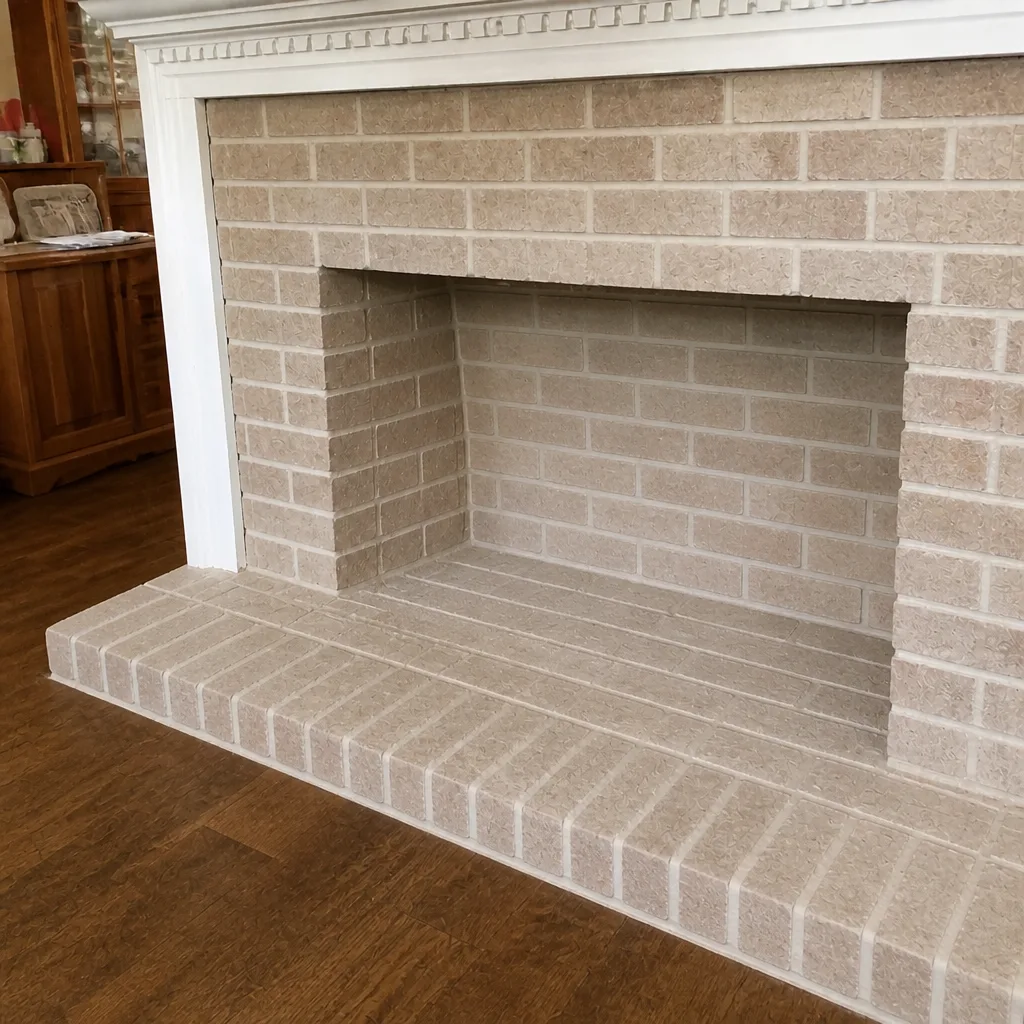
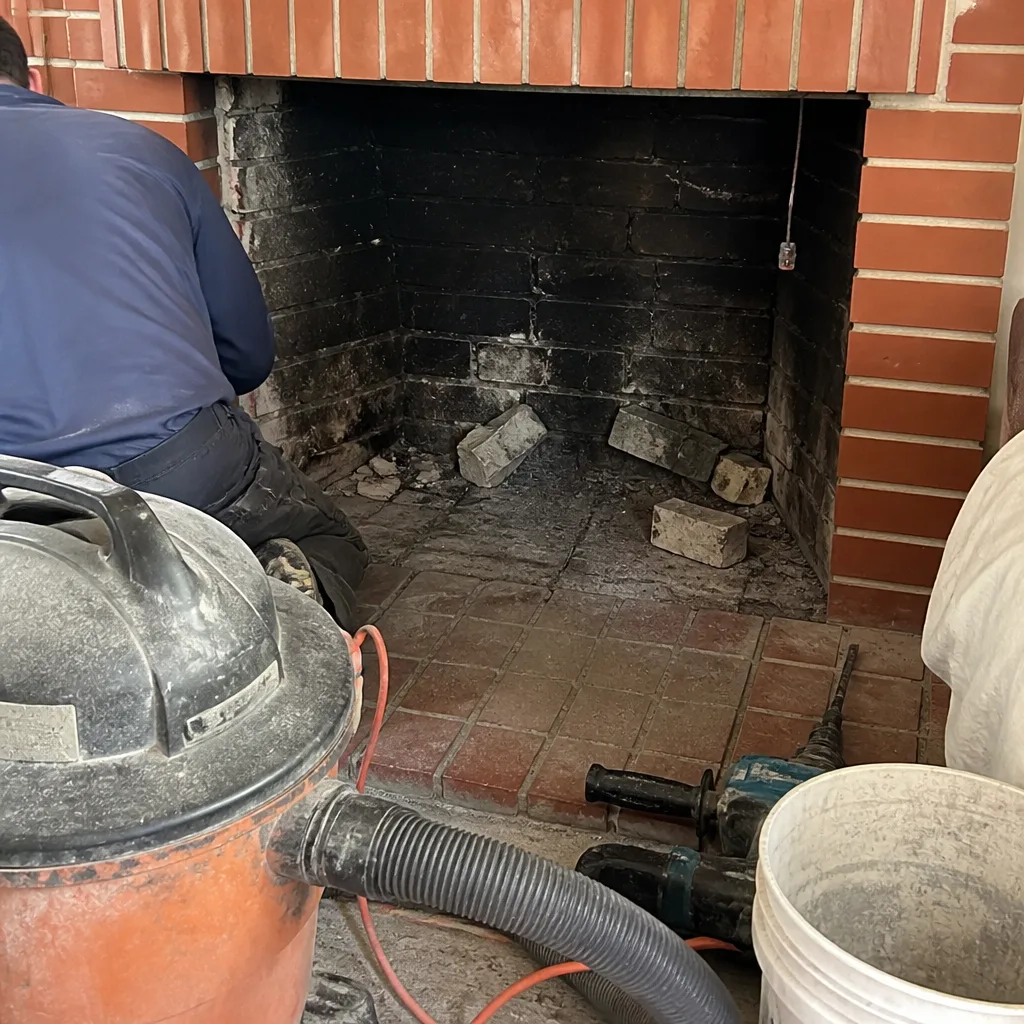
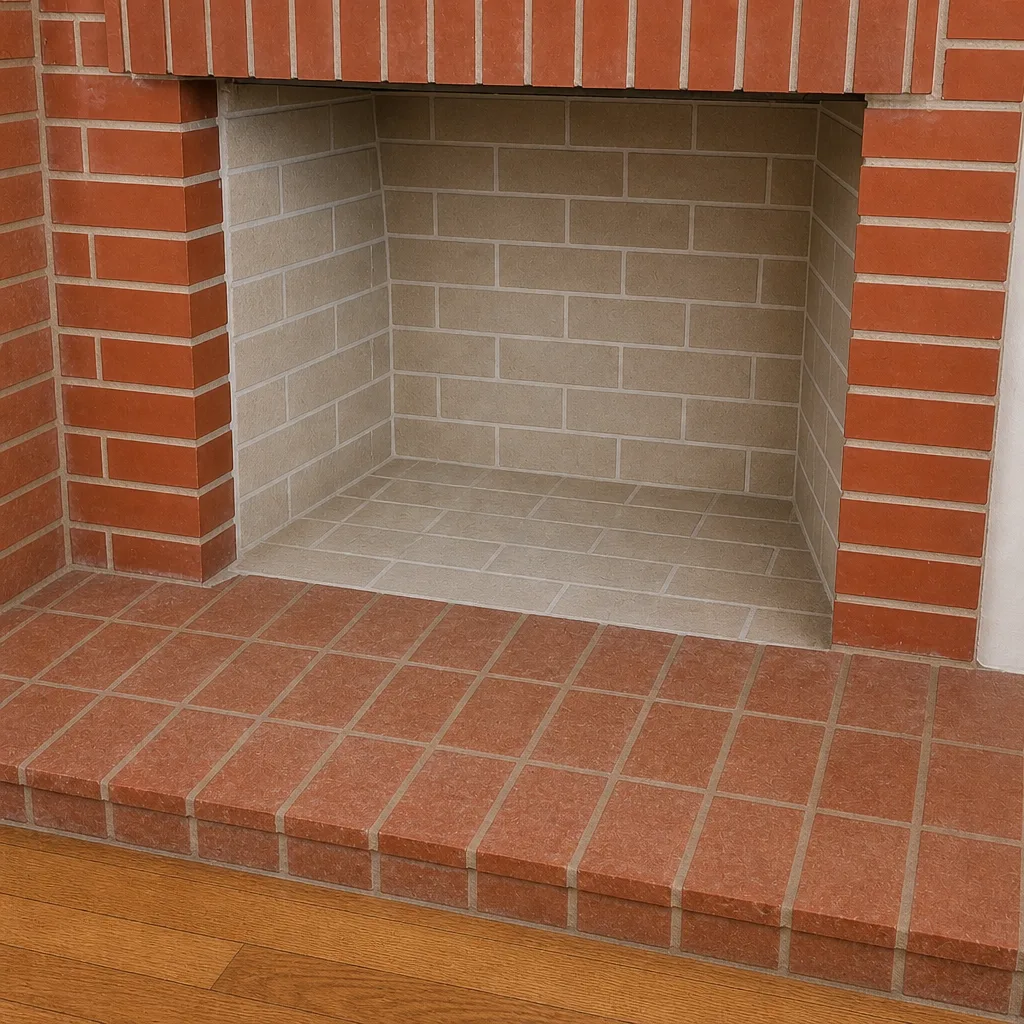
See the difference
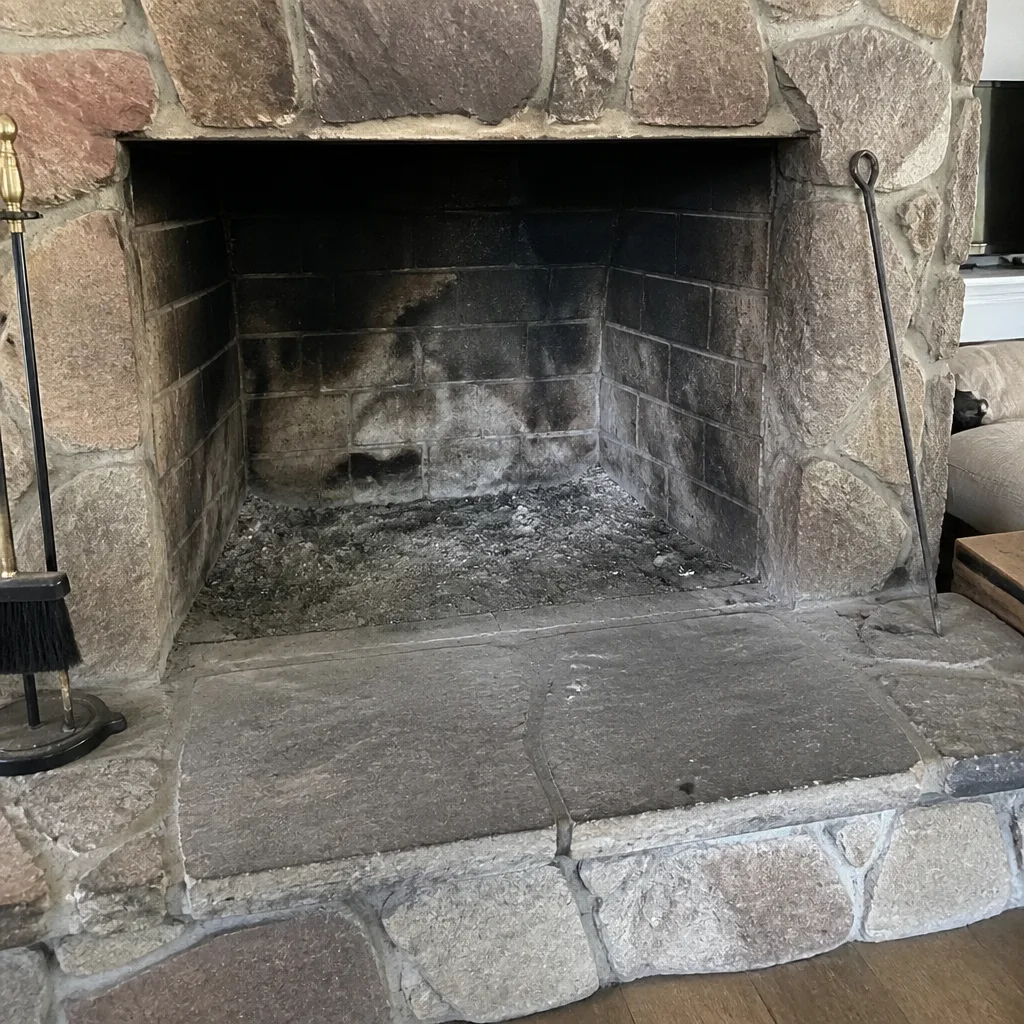 Before
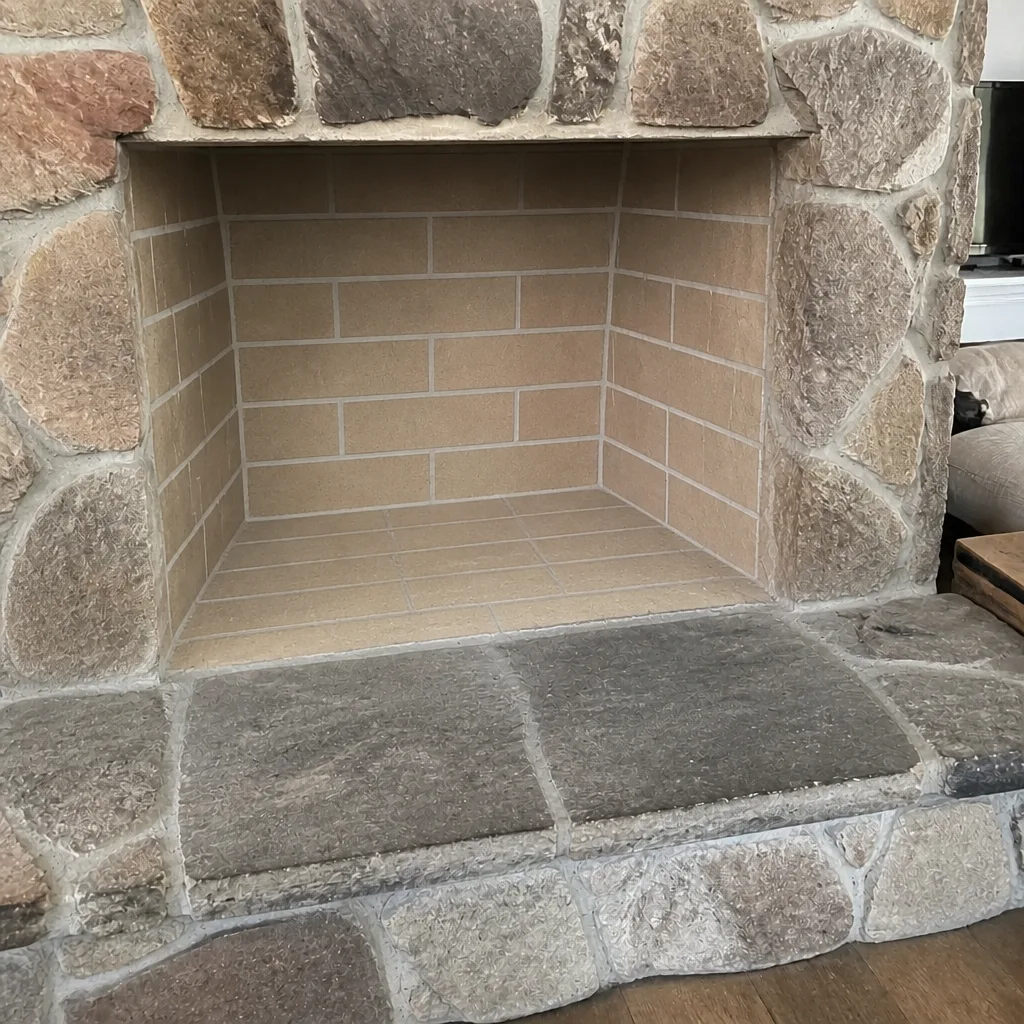 After
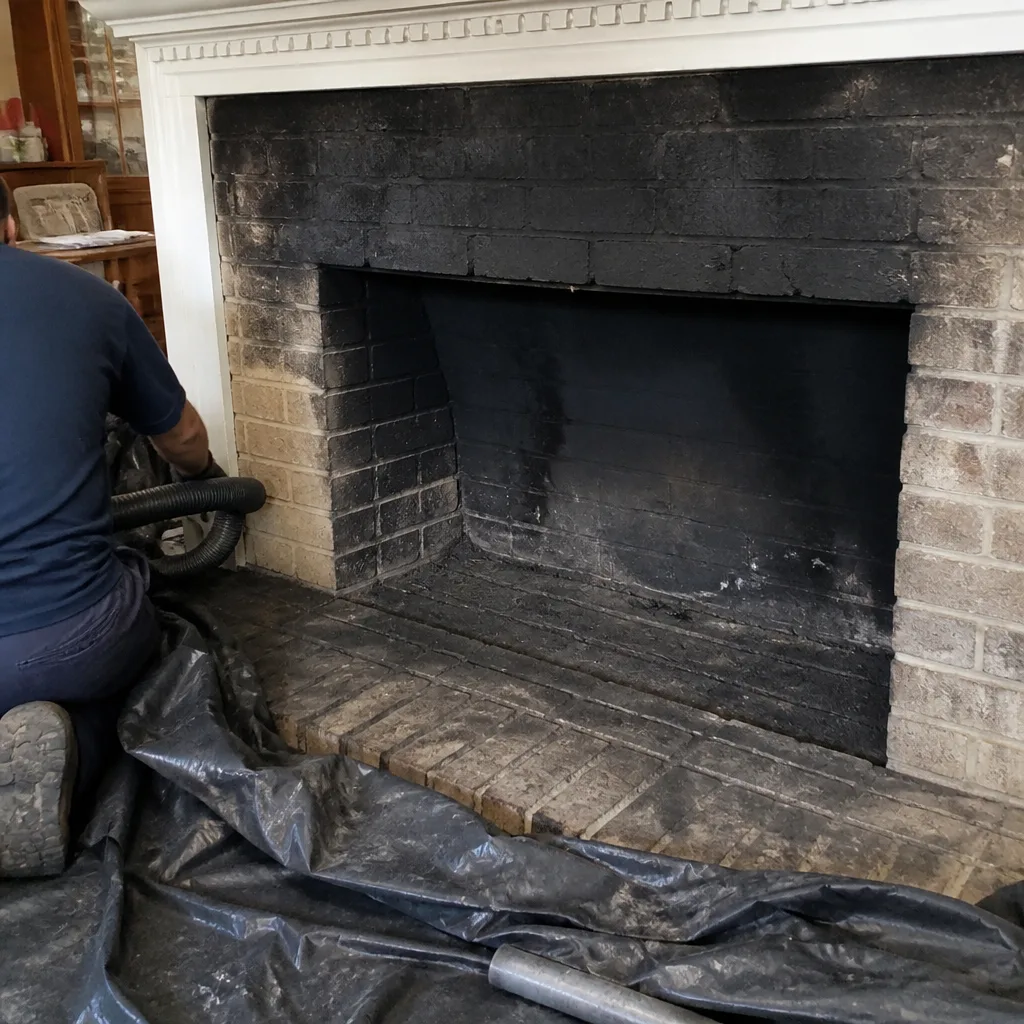 Before
 After
 Before
 After
When to Call a Professional
Call a professional if you suspect a chimney fire, if you saw or smelled something that doesn’t match a normal fire, if you’re reopening a chimney that hasn’t been inspected, or if your cap or screen looks damaged from the ground. Call after any wildfire event nearby that produced smoke or ash intrusion in your home. Call before the first fire of the fall if the chimney hasn’t been swept in a year. If the firebox has cracks, the damper sticks, or the crown looks compromised, that’s a professional call too. Yorba Linda Chimney Sweep offers free estimates in Yorba Linda, and our technicians have up to 9 years of experience. Call (877) 492-3104 for an exact quote. We answer 24/7. Fast dispatch from 7am to 7pm, Sunday through Friday.
Frequently Asked Questions
The written estimate sets the final price, and the estimate itself is free. The price depends on the state of the flue, the number of flues, and whether repair work is needed. Call (877) 492-3104 for an exact quote. Estimates are free.
Not always. The decision depends on what the Level 2 inspection finds. A cracked or spalled liner that’s otherwise sound can often be restored with a HeatShield ceramic resurfacing application rather than a full tear-out. A liner with structural breaks or gaps at the joints usually needs a reline with a DuraFlex flexible system, sized to the appliance. Call (877) 492-3104 to schedule the inspection that decides the answer.
Once a year for most wood-burning fireplaces, or after every cord of wood burned, whichever comes first. Gas fireplaces should still be inspected annually. If you’re not sure when the last sweep was, treat it as overdue. Call (877) 492-3104 for an exact quote on the visit.
Creosote builds in layers, and the glazed layers that form when deposits aren’t removed are the fuel a chimney fire feeds on. A skipped year also means the liner, cap, and crown go uninspected for another season. Call (877) 492-3104 to get back on schedule. Estimates are free.
A properly fitted cap with an intact spark arrestor screen closes the chimney opening to glowing particles, and it’s the first line of defense in a wildfire zone like Yorba Linda. The screen spec matters: a screen with torn or rusted mesh does nothing. Call (877) 492-3104 if you’re not sure your cap is doing the job.
Get everyone outside and call 911. Do not try to fight the fire from the firebox, and do not spray water into a hot flue. Stay out until the fire department has cleared the home, then call (877) 492-3104 to arrange the inspection before anyone uses the fireplace again. The estimate is free.
Santa Ana winds and dry brush make wildfire ember intrusion a real risk here in fall, which means cap and screen condition matter well before the first cool evening. Schedule the annual sweep and cap inspection before the season shifts. Call (877) 492-3104 to book.
The Bottom Line
Chimney emergency preparedness in Yorba Linda comes down to two threats and one habit. The two threats are chimney fires fueled by built-up creosote and wildfire embers finding an open or unprotected chimney. The one habit is yearly service that removes the creosote and keeps the cap, screen, and crown intact. Between visits, know the signs of an active chimney fire, get out and call 911 if you suspect one, and get a professional inspection before reuse. Call (877) 492-3104 for a free estimate. We answer 24/7. Fast dispatch from 7am to 7pm, Sunday through Friday.
Written by the team at Yorba Linda Chimney Sweep.