
Last updated November 25, 2026
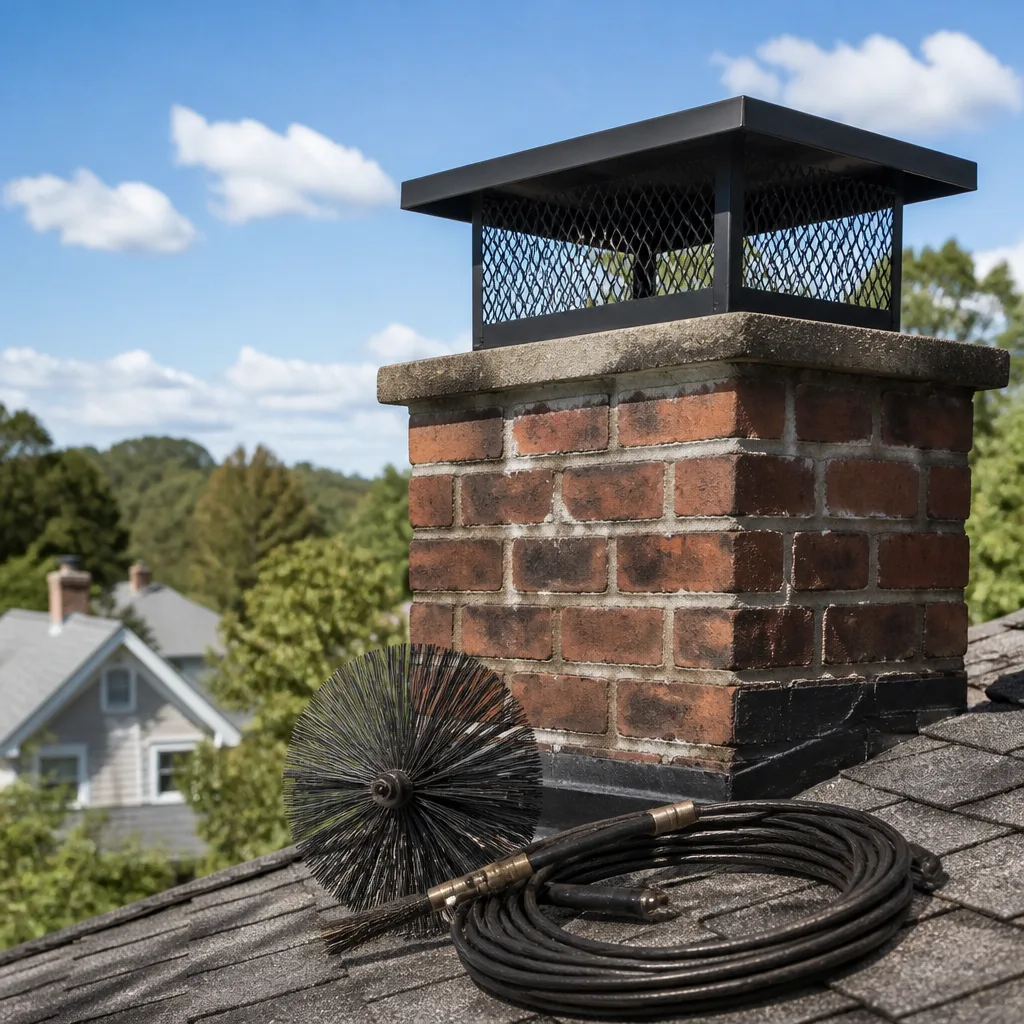 Sweep & inspection
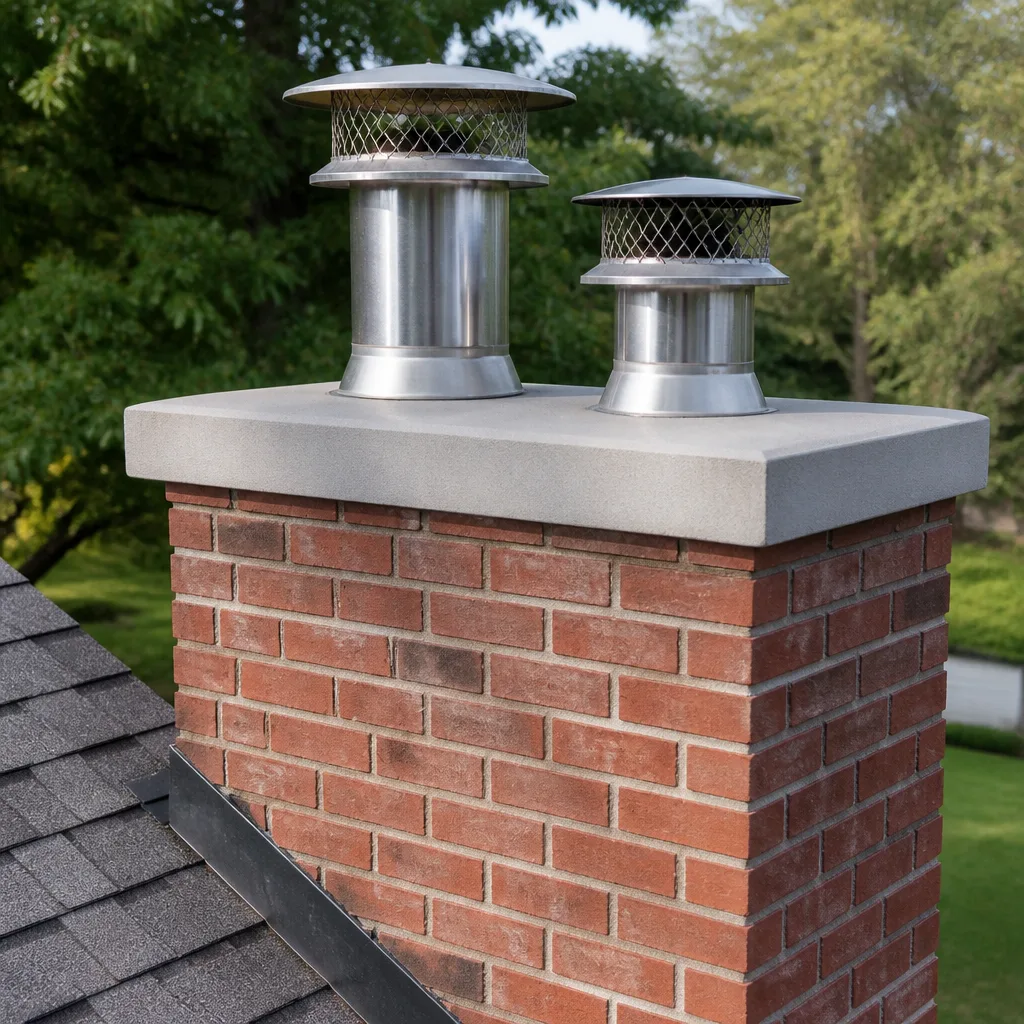 Caps & crowns
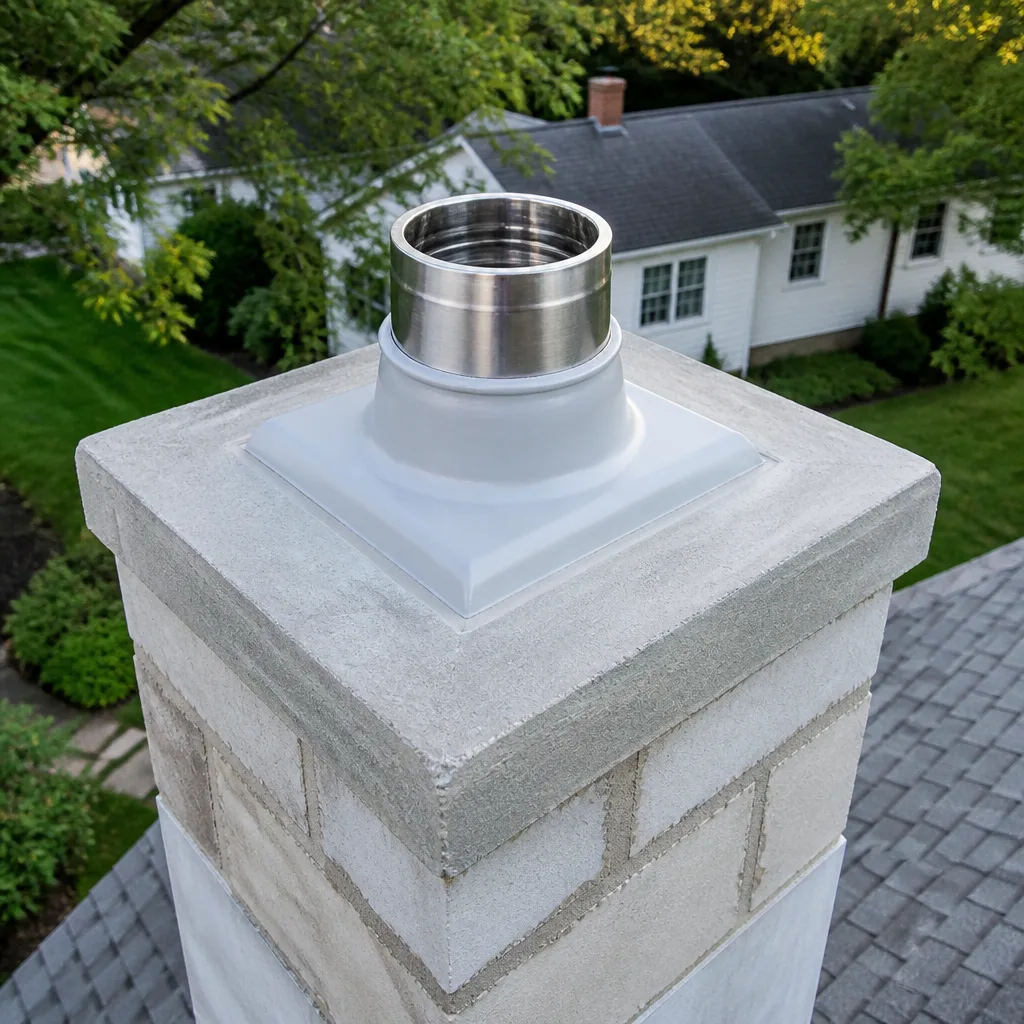 Flue relining
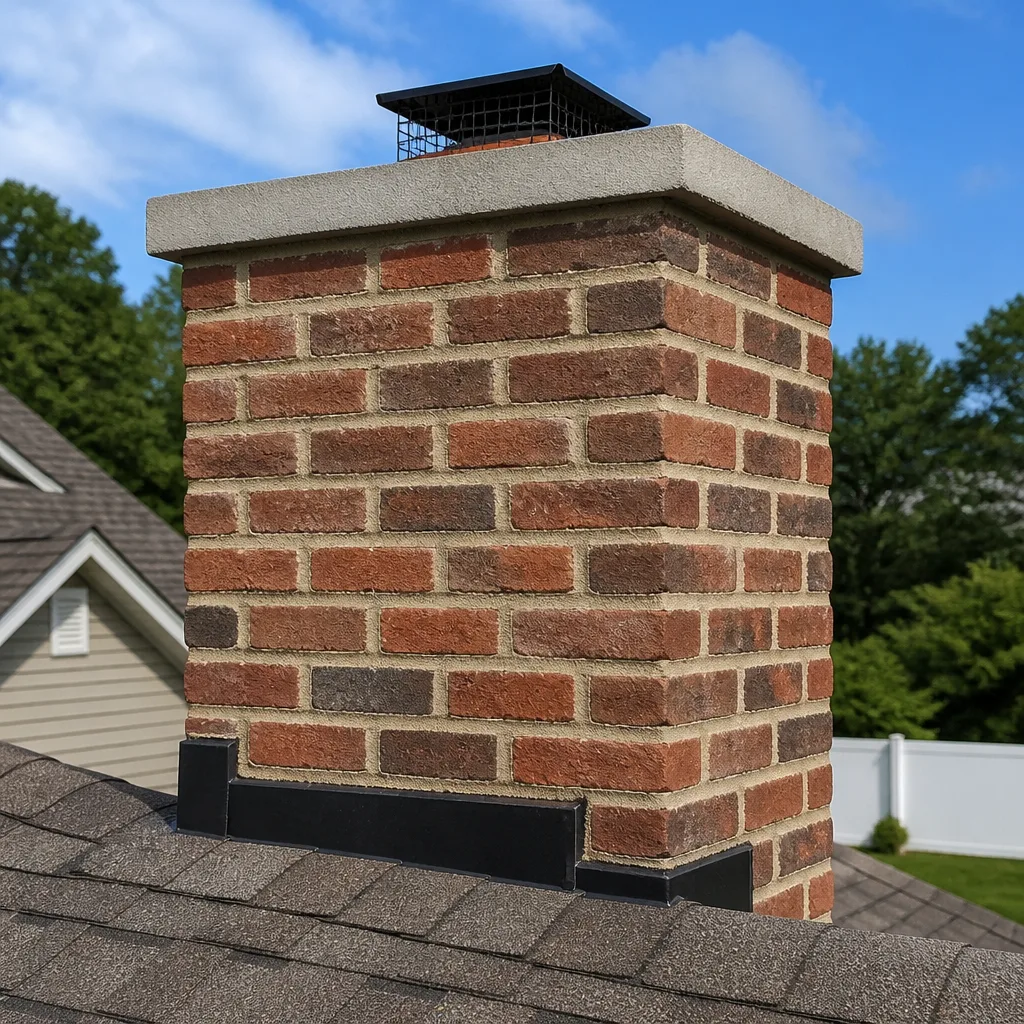 Masonry repair
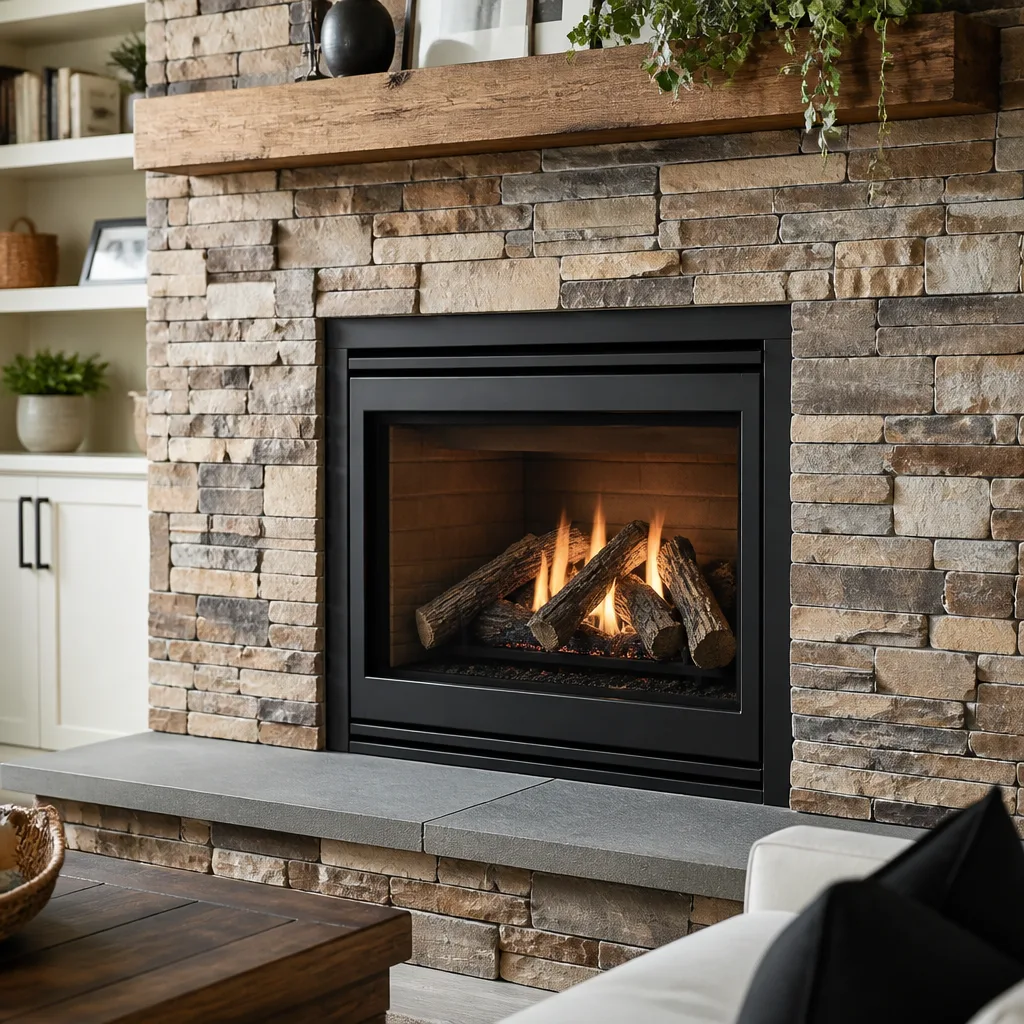 Gas fireplace service
Level 1 sweep and inspection to the NFPA 211 annual standard - flue, crown, cap, and flashing checked and photographed
Chimney sweep logs do not sweep chimneys. They loosen some creosote - which then falls where a brush and vacuum still have to collect it.
Seasonal Chimney Cleaning Care for Yorba Linda: Year-Round Homeowner’s Guide
Most chimney advice you’ll find online was written for a place with four hard seasons, where the whole year builds toward one cold stretch and a single autumn sweep covers everything. Yorba Linda doesn’t work that way. Here, the fireplace runs a handful of evenings in January, then sits untouched through a long dry summer, then faces the Santa Ana winds of October before anyone thinks to schedule a cleaning. That gap is where the most preventable damage actually builds up. This guide maps the four distinct care windows a Yorba Linda chimney really goes through, what to check in each one, and why the October sweep-and-done approach leaves two critical seasons unaddressed.
Quick Answer
Chimney care in Yorba Linda is a four-season cycle, not a once-a-year chore. Sweep and inspect in spring once the burning season ends, watch for moisture and nesting through summer, get ahead of fire season in early fall before burn-day restrictions tighten, and keep an eye on creosote through winter’s short, occasional fires. The right action changes with the season, and so does the risk.
Styles & brands we work with
- Sweep & inspection
- Caps & crowns
- Flue relining
- Masonry repair
- Gas fireplace service
Table of Contents
- Winter: What Limited, Occasional Fires Do to Your Flue
- Spring: The Best Time of Year to Sweep in Yorba Linda
- Summer: The Passive Damage Season Nobody Watches
- Fall: The Pre-Fire-Season Window
- Wildfire Smoke and Chimneys That Never Lit a Fire
- A Simple Year-Round Chimney Care Calendar
- What a Real Inspection Covers (and What It Doesn’t)
- Common Mistakes to Avoid
Winter: What Limited, Occasional Fires Do to Your Flue
Here’s the counterintuitive part about Yorba Linda winters: a fireplace used lightly can be harder on the flue than one used heavily. When a chimney runs hot and often, the flue stays warm, draft stays strong, and the fire burns efficiently. Creosote forms, but it forms dry and it gets swept regularly because the homeowner is paying attention. The occasional fire is different. A few logs on a chilly evening, a damper closed too early, a fire that smolders out overnight because nobody wants to stay up tending it. That pattern produces cooler, smokier burns, and cooler smoke deposits wetter, stickier creosote on the flue walls.
In our experience across Yorba Linda, the fireplaces that surprise people at inspection are the ones used maybe a dozen times a season. The homeowner assumes a lightly used chimney is a clean chimney. It isn’t. It’s an under-supervised chimney, and the deposits from short, smoldering fires can be the glazed, hard-to-remove kind that a brush alone won’t touch.
What to watch for between December and February
- Smoke rolling back into the room. Often a sign of a cold flue or a partially blocked one. If it happens every fire, stop burning and get it checked.
- A weaker draw than last year. Draft that used to pull strong and now hesitates usually means buildup or an obstruction.
- Glass doors sooting up fast. Faster than usual soot means the fire is starving for air or the flue is restricted.
- Any smell of smoke in the house when the fireplace is cold. That’s a draft and seal issue worth a look, not something to ignore until spring.
Winter is also when the fireplace matters most for indoor air. Yorba Linda homes are often closed up tight on cold nights, and a chimney that isn’t drafting properly can pull combustion byproducts back into living space. Carbon monoxide is odorless, and it’s why a properly drawing flue is a safety system, not a convenience. If you have a carbon monoxide detector, keep it working. If you don’t, that’s a separate errand worth doing this week.
One more note on the Santa Ana wind nights that show up even in winter. A strong offshore wind can overcome a chimney’s natural draft and push smoke back down the flue. That’s a weather condition, not a defect, but if it happens on calm nights too, it’s the chimney talking. A chimney sweep and a draft check will tell you which it is.
Spring: The Best Time of Year to Sweep in Yorba Linda
If you only do one thing for your chimney all year, make it the spring sweep. March through May is the single best window for chimney work in Yorba Linda, and there are three concrete reasons why.
- The flue is cool and the burning season is genuinely over. Summer heat hasn’t set in, the fireplace has stopped running, and there’s no pressure to squeeze a sweep between fires. The work is calmer and the diagnosis is clearer.
- Pests haven’t nested yet. Birds, squirrels, and wasps look for protected spots as the weather warms. A clean flue with a proper cap in place has nothing to offer them. Sweep and cap before the nesting season, not after, and you spend the summer pest-free instead of pulling a nest out of the flue in July.
- Winter damage is still fresh and diagnosable. A crack or a spalled liner section that formed over winter is easiest to catch and easiest to fix in spring, before a season of disuse lets it worsen quietly. Late fall inspection means you’re finding the problem the day before you want to light a fire.
Spring is also when a professional inspection earns its keep. A sweep clears the flue. An inspection looks at what the sweep can’t fix: the liner, the crown, the cap, the firebox, the damper assembly. Those are different jobs, and a real chimney company treats them that way. Our chimney repair work starts from what the inspection actually found, not from a checklist of likely upsells.
What a spring sweep includes
- Removal of creosote and soot from the flue with the right brushes for the liner type.
- A visual inspection of the firebox, damper, smoke chamber, and flue interior with a camera where needed.
- A check of the cap, crown, and flashing for water-entry points.
- A photo report of what was found, so you can see it yourself rather than take our word for it.
The cool-flue detail matters more than it sounds. Creosote is brittle when cold and easier to sweep cleanly. Waiting until the first cold snap in November means you’re sweeping a flue that’s been sitting warm and undisturbed all summer, sometimes with deposits that have hardened and compacted. Spring work is simpler work.
Summer: The Passive Damage Season Nobody Watches
From June through September, most Yorba Linda fireplaces sit completely idle. That feels like the safest stretch of the year for a chimney. It’s actually when the quietest, most expensive damage accumulates, because nobody’s looking.
What’s actually happening to an idle chimney in summer
- Moisture intrusion. The two leading points of water entry on a chimney are the cap and the crown. A cracked crown or a missing cap lets rain and marine-layer humidity into the flue. Water on masonry plus warm summer temperatures is how spalling starts: the surface of the brick or liner flakes off, one layer at a time.
- Nesting. Birds, squirrels, and insects treat an uncapped chimney as a ready-made hollow. A nest in the flue is a fire risk and a draft killer, and it can sit there unnoticed until the first fire of fall sends smoke into the room.
- Debris and leaf build-up. Wind moves leaves and grit into an open flue over months. By fall, the obstruction is already there.
- Masonry drying and cracking. The annual swing from wet winter to dry summer is when small cracks in mortar joints quietly widen. You can’t see them from the ground, but they’re how water gets in next year.
None of this requires the fireplace to have been used. That’s the point. Summer damage is passive, and it’s why a chimney that sat perfect in spring can fail inspection in October.
What to check in summer without lighting a fire
- Look at the chimney cap from the ground. Is it there? Is it intact? Is the mesh clear of debris?
- Look at the crown, the sloped top surface. Any visible crack or missing mortar is a water-entry point.
- Check the firebox for stains or rust on the damper that weren’t there in spring.
- Smell the flue on a hot day. A musty smell in the house near the fireplace often points to moisture in the chimney.
- If birds are congregating around the chimney, there’s likely a reason.
If any of that raises a flag, the fix may be small. A cap and crown installation, done right, addresses the two most common entry points for water at once. We carry Copperfield caps and crowns for exactly this because water damage is the most common chimney repair we see, and it’s the most preventable.
Fall: The Pre-Fire-Season Window
October and November are when Yorba Linda homeowners think about the fireplace. That instinct is good, but the timing is almost always too late. Here’s why.
Fall in this part of Orange County brings two things at once: the Santa Ana winds, and the start of the fire season. During red flag conditions and wildfire events, air quality rules and burn-day restrictions can shut down fireplace use for days at a stretch. A homeowner who waits until November to schedule a sweep is trying to book into the single busiest window of the year, right when local air quality rules may be telling everyone to stop burning anyway. That’s a bad combination.
The right way to use the fall window
- Book the sweep in early October, not late November. The goal is to be clean and inspected before the burning season and the wind season arrive together.
- Check the cap and crown before the first wind event. A loose cap or a cracked crown that survives a Santa Ana is a stroke of luck. Getting it fixed in early fall means it doesn’t have to survive one.
- Test the draft on a mild evening. Light a small fire or a smoke test early. Better to find a problem in October than the night of the first cold Santa Ana evening.
- Have a plan for burn days. When air quality agencies call a no-burn day, a fireplace has to stay dark. Nothing about your chimney changes that, so build it into expectations.
Fall is also when a spring-to-fall comparison pays off. If you swept in April and something’s wrong in October, the diagnosis is quick because the baseline is fresh. If the chimney has sat unlooked-at since last year, everything is a question mark. Fireplace repair in fall is common for exactly this reason: a whole summer of passive damage shows up as a damper that sticks, a firebox that’s cracked, or a flue that won’t draw.
Wildfire Smoke and Chimneys That Never Lit a Fire
Here’s a situation that confuses a lot of Yorba Linda homeowners. A wildfire event happens nearby, smoke fills the valley, and the home never lit a single fire in the fireplace. So why does the chimney need attention? Because during heavy smoke events, an idle chimney still acts as a stack.
Chimneys are designed to vent upward. When outside air pressure or temperature conditions are right, a dormant flue can draw ambient smoke and particulates into the house through the firebox, especially with the damper open or the damper seal worn. And smoke that settles into a cool flue leaves deposits on the walls even if no wood was ever burned. Soot, ash, and fine particulates coat the interior of the flue, and over the months that follow, that coating plus summer humidity is a recipe for the same moisture-related issues we talked about earlier.
What to do after a wildfire smoke event
- Keep the damper closed and the glass doors shut during active smoke events. That’s the first line of defense.
- After the event, look for soot on the firebox walls and around the damper. Visible darkening means smoke got in.
- Schedule an inspection even if the fireplace never fired. The flue should be checked for particulate buildup and moisture.
- Replace or clean your HVAC filter. It’s not chimney care, but it’s the same event and it matters.
We’ve seen chimneys in Yorba Linda that sat through a smoke event and then through a warm, humid summer before anyone looked at them. The interior wasn’t fire-damaged. It was moisture-damaged, which is a repair, not a sweep. When a flue liner has spalled or cracked from that combination, we use a chimney repair process like HeatShield to restore the liner surface rather than tear the whole thing out, whenever the condition allows. That choice saves significant cost, and it’s a big part of why we carry the trade-grade materials we do.
A Simple Year-Round Chimney Care Calendar
Here’s the whole year condensed. This is what seasonal chimney care actually looks like in Yorba Linda, laid out so you can put it on a calendar and stop guessing.
- December to February: Use the fireplace mindfully. Watch for backdraft, weak draft, and fast sooting. Keep carbon monoxide detectors working. Schedule nothing; it’s fire season for the chimney.
- March to May: Book the sweep and inspection. This is the highest-value window of the year. Address any winter damage while it’s fresh. Cap the flue before nesting season.
- June to September: Watch for moisture, nesting, and debris. Check the cap and crown from the ground. Schedule repair work for any issue found, since the fireplace isn’t in use and the work is low-pressure.
- October to November: Get ahead of fire season. Book early. Test the draft. Address any cap, crown, or masonry issue before the Santa Anas arrive. Confirm burn-day expectations.
The pattern to notice is that the two seasons most homeowners skip, spring and post-Santa Ana fall, are exactly the two where damage accumulates. A single autumn sweep catches what happened during the burning season. It does nothing about what happened in the six months the fireplace was off. Spreading the work across the year is what makes the difference in this climate.
What a Real Inspection Covers (and What It Doesn’t)
An inspection is not a sweep with an upsell tacked on. It’s a separate, named service with its own scope, and it’s the difference between knowing your chimney is safe and hoping it is. Here’s what a real one should cover.
What an inspection looks at
- The flue liner, for cracks, gaps, and spalling. A camera view is the only way to see most of it.
- The firebox and smoke chamber, for cracks in the masonry and gaps at the joints.
- The damper, for fit, seal, and operation.
- The crown, the cap, and the flashing, for water-entry points.
- The exterior masonry, for cracks and loose mortar.
- The appliance connection, for proper fit and clearance.
What an inspection doesn’t do
An inspection doesn’t clean anything. A sweep is what clears the flue. It also doesn’t tell you a fireplace is “fine” if the flue wasn’t actually viewed. Ask how the liner was checked. If the answer is “looked up from below with a flashlight,” that’s not the same as a camera inspection, and it can’t tell you about a crack higher up. Our inspections include a photo report specifically so you can see what we saw and decide for yourself, because the biggest source of doubt in this trade is a homeowner being told they need work they can’t verify. You shouldn’t have to take anyone’s word for it, and with photos, you don’t have to.
If the inspection does find liner damage, we use HeatShield for spalling and cracking where the liner can be restored in place. When full relining is the right call, we install DuraFlex liners, which handle complex flue paths and different fuel types. The point is to match the fix to the finding, not the other way around.
Common Mistakes to Avoid
- Only sweeping in the fall. Late fall catches what happened during the burning season and nothing else. It misses the spring window when diagnosis is easiest and the summer window when passive damage builds.
- Assuming a lightly used fireplace is a clean fireplace. Occasional short fires produce cooler, stickier creosote than long hot ones. In our experience, an under-used flue can be the dirtier one.
- Waiting for the first cold night to test the draft. If something’s wrong, you want to know in October, not the evening you planned a fire. Test the draft early.
- Ignoring the cap and crown because “it looks fine from here.” The two leading points of water damage are the cap and the crown. They can look fine at a glance and still be letting water in.
- Skipping the inspection after a wildfire smoke event. An idle chimney still draws ambient smoke. If the event was nearby enough to fill the valley, the flue is worth a look.
- Treating an inspection as a sales pitch. A real inspection reports what it finds with evidence. If you’re told you need work you can’t see, ask for the photos.
- Booking in late November. That’s the busiest window of the year and it’s right when burn-day restrictions may already be in play. Booking in early October is the safer bet.
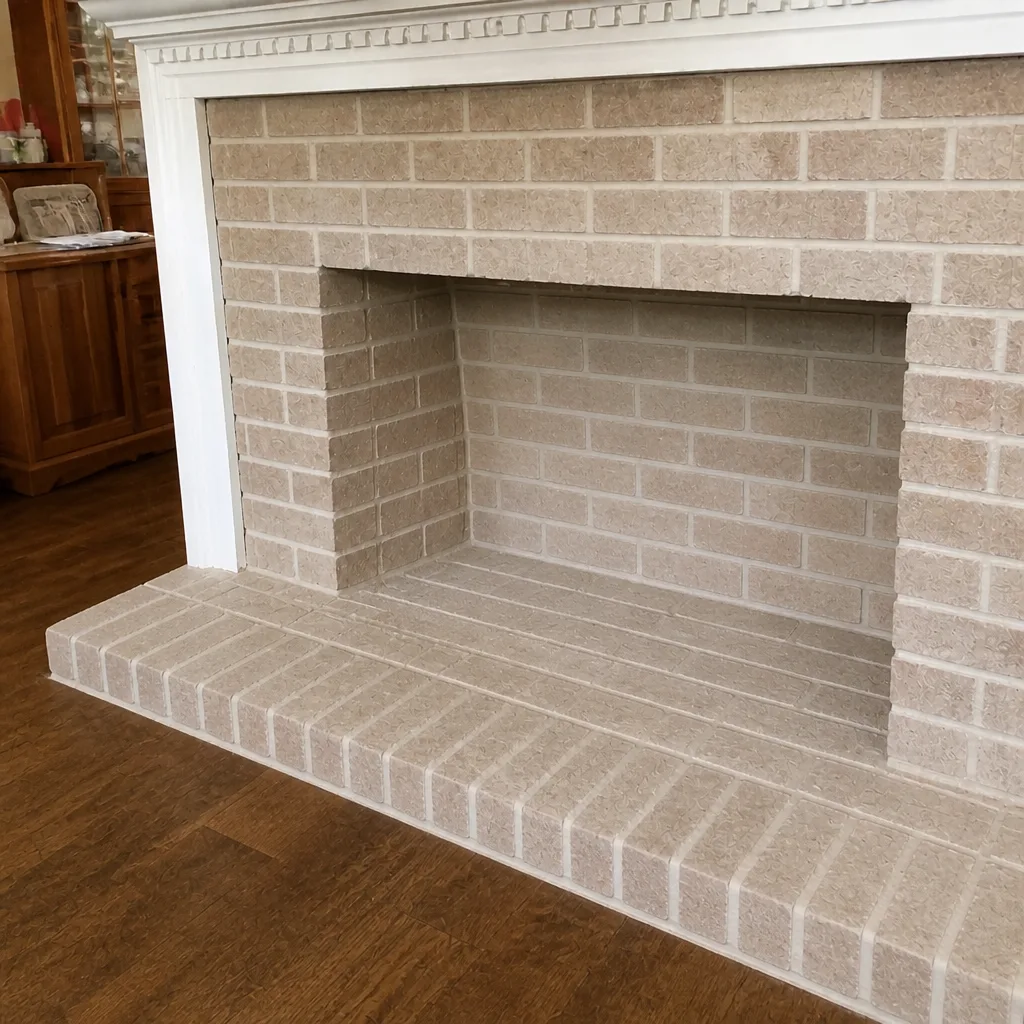
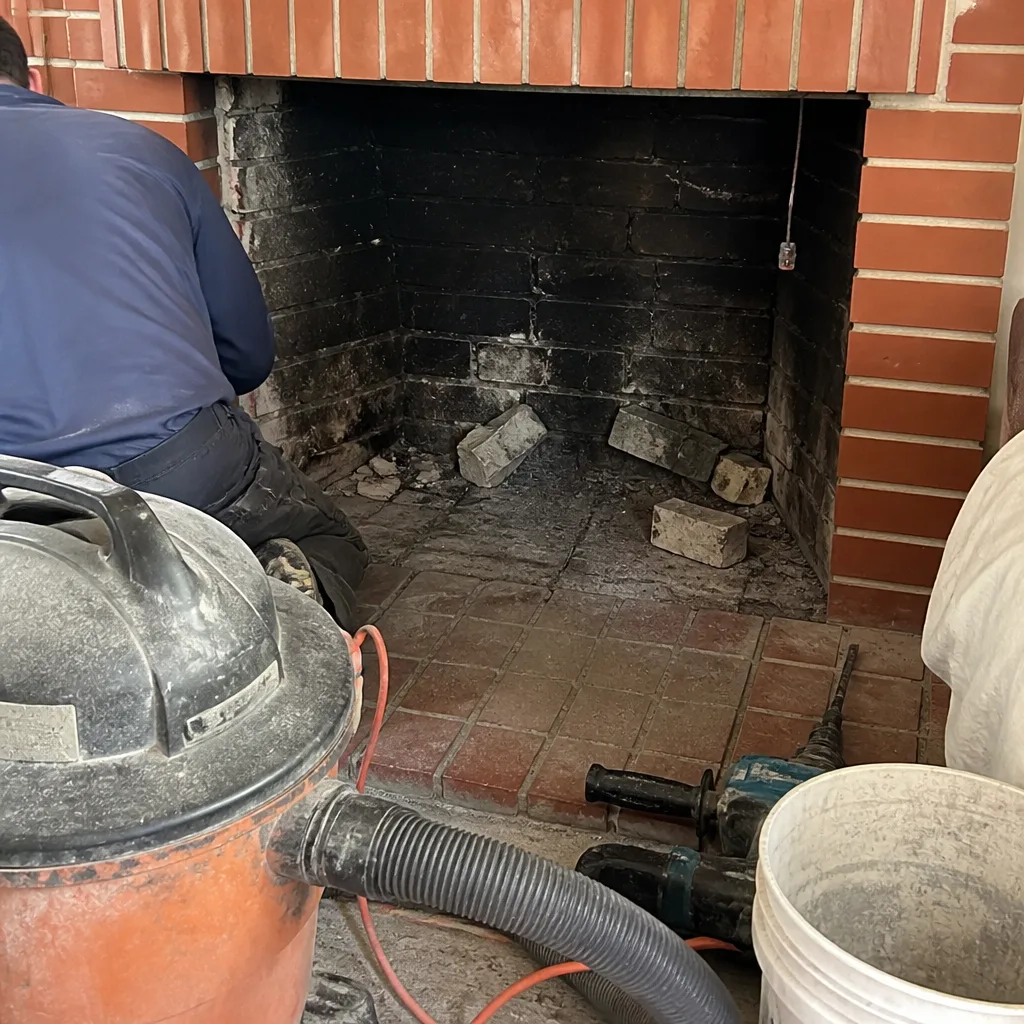
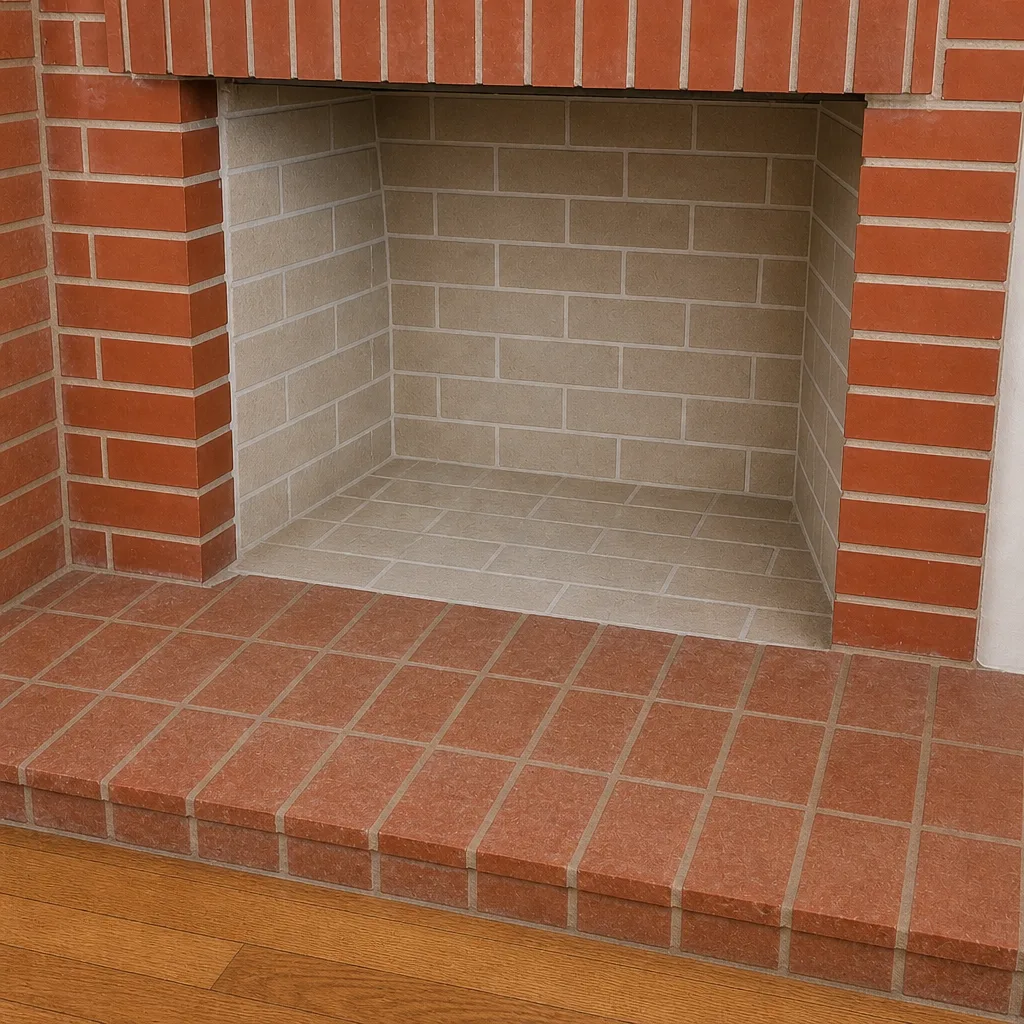
See the difference
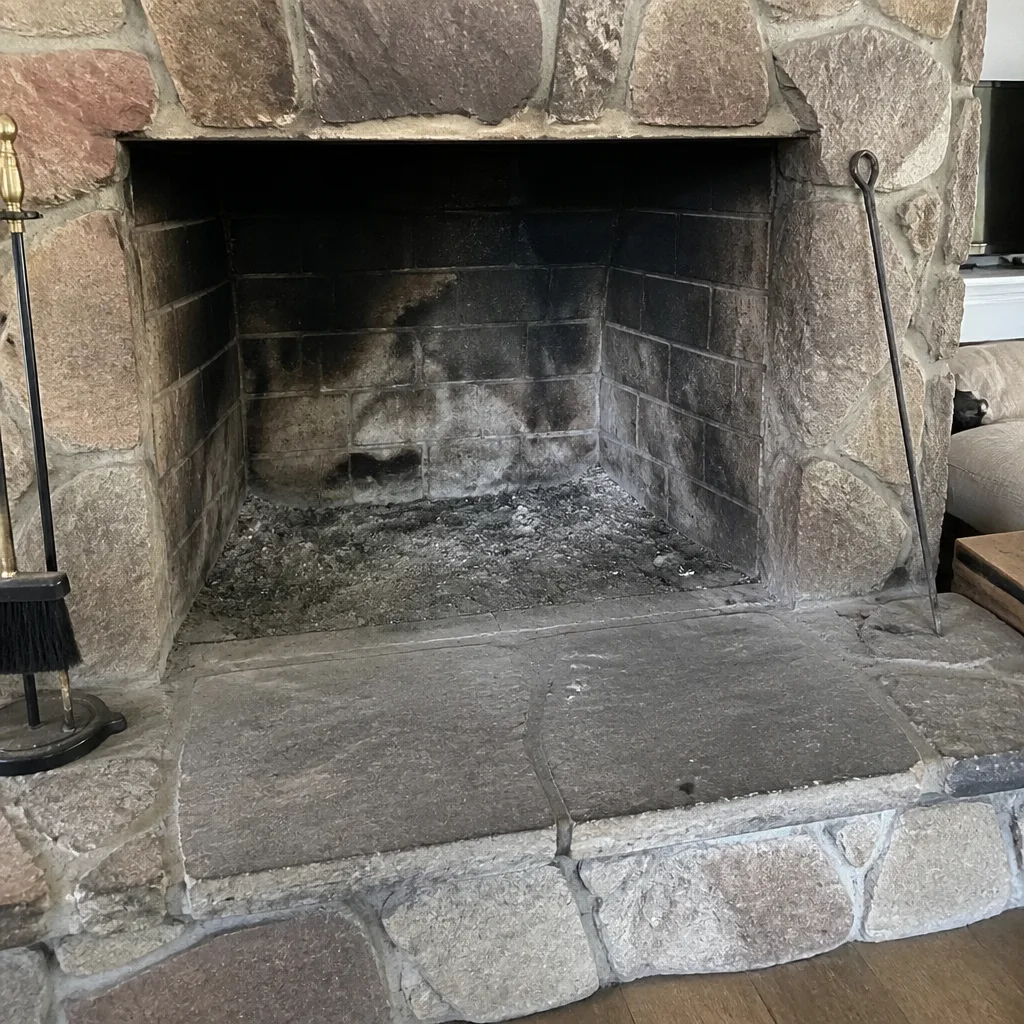 Before
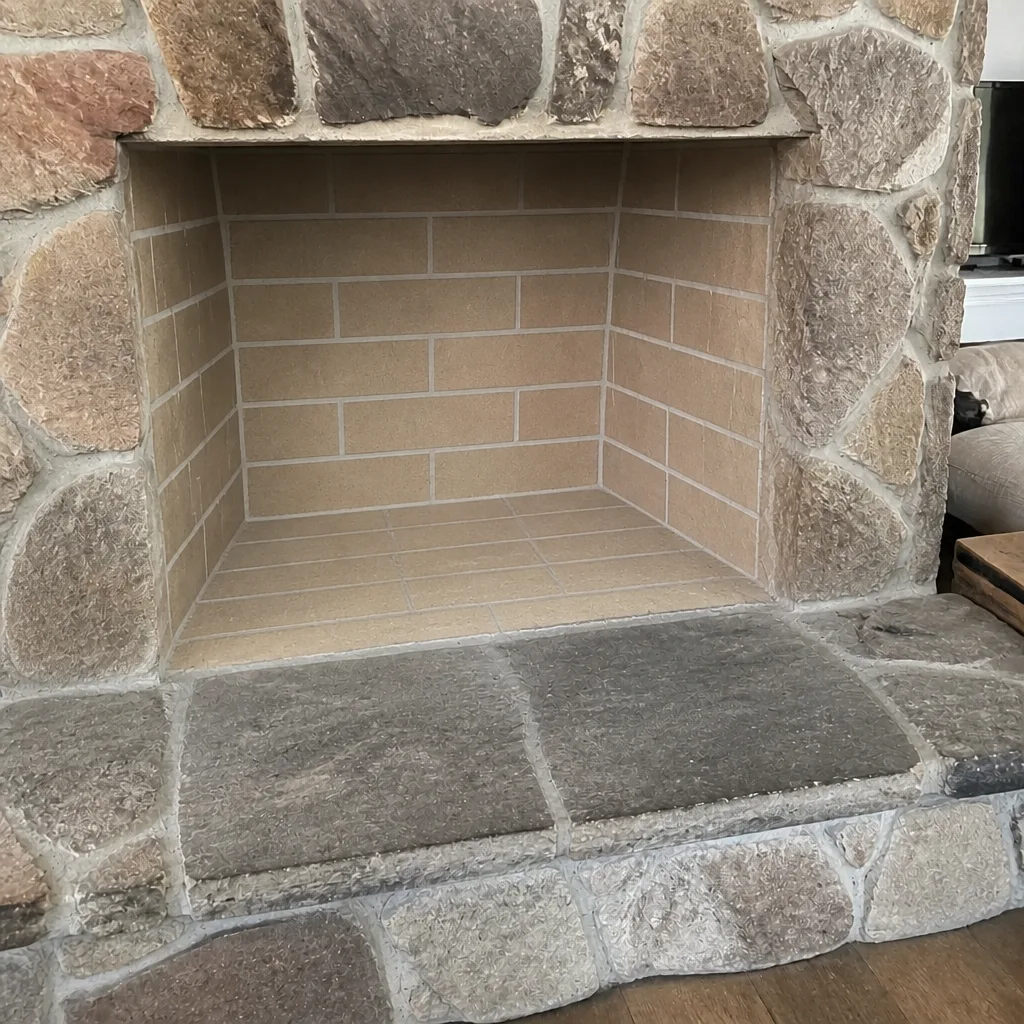 After
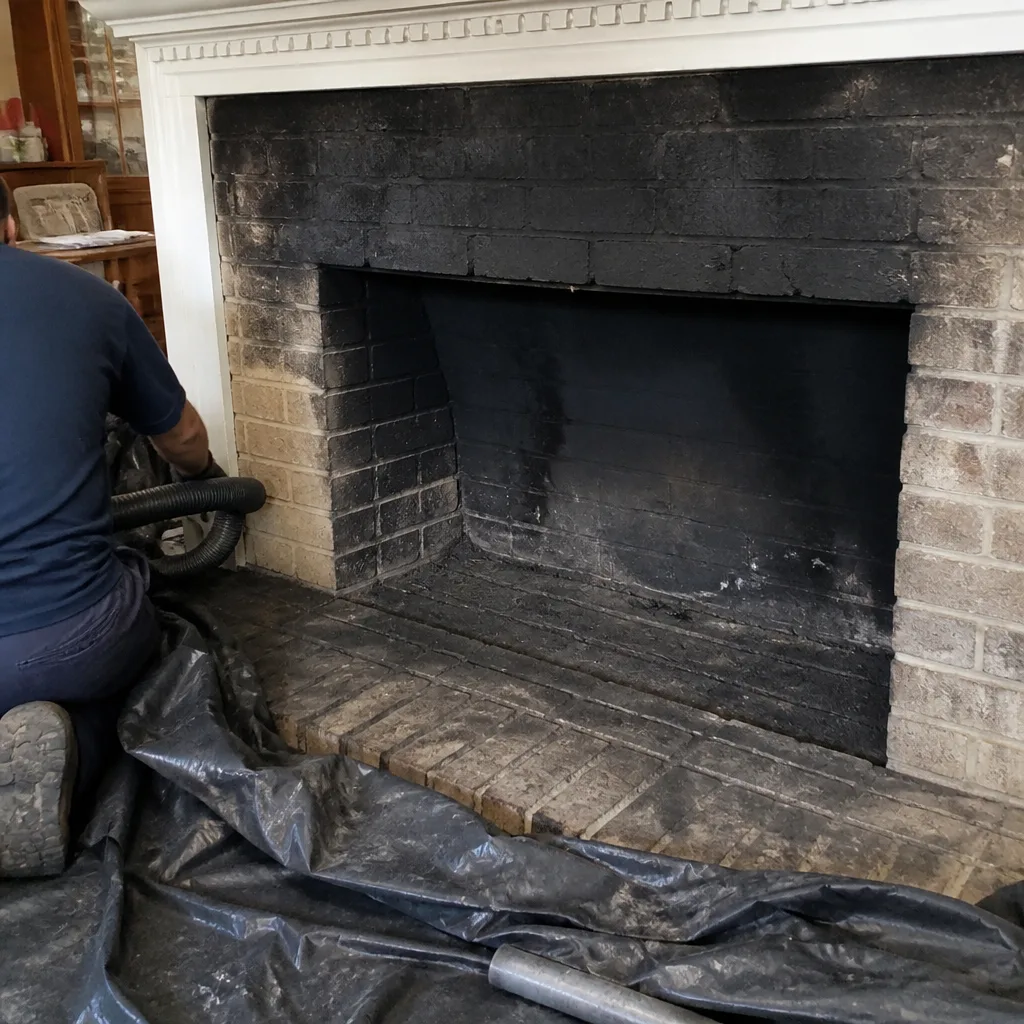 Before
 After
 Before
 After
When to Call a Professional
Some chimney issues are worth watching and some are worth calling about immediately. Call a professional if you see or smell smoke in the house when the fireplace is running, if the draft has clearly weakened from last year, if you can see daylight through a crack in the firebox or smoke chamber, if the cap is missing or damaged, or if you’ve never had the flue inspected and don’t know what shape it’s in. Call after a wildfire smoke event in the neighborhood, even if the fireplace never fired. And call early fall if you want to be ahead of the season rather than behind it. Yorba Linda Chimney Sweep offers free estimates in Yorba Linda. Call (877) 492-3104. We answer 24/7. Fast dispatch from 7am to 7pm, Sunday through Friday.
Frequently Asked Questions
Once a year is the baseline for most wood-burning fireplaces, and in Yorba Linda the best time to do it is spring, right after the burning season ends. A gas or lightly used fireplace may need less frequent sweeping but still needs an annual inspection, because the flue and liner can be damaged without visible creosote. Call (877) 492-3104 for an exact quote; estimates are free.
You need a new liner when the existing one has cracks, gaps, or spalling that can’t be restored, and you should never take that on faith. Ask to see the camera inspection photos. In some cases, a spalled or cracked liner can be restored with HeatShield rather than replaced, which is a real cost savings most sweep-only services can’t offer. Nothing gets recommended without evidence you can see. Call (877) 492-3104 for an inspection and photo report; estimates are free.
Most of the time, skipping a year doesn’t cause a fire. What it does cause, quietly, is moisture damage from a cracked crown or missing cap, nesting in an uncapped flue, and creosote buildup that gets harder to remove the longer it sits. The risk that matters most is the one you can’t see: a liner crack that lets heat reach framing or combustion gases into the house. Call (877) 492-3104 for an inspection; estimates are free.
Spring is better because the burning season is over and the flue is cool, so creosote sweeps cleanly, and because pests haven’t nested yet, so capping before the warm months keeps the flue clear. Winter damage is also still fresh and easiest to diagnose in spring. Fall sweeps are fine, but they tend to be booked late and they miss the six months of passive summer damage entirely. Call (877) 492-3104 to get on the spring schedule; estimates are free.
Yes, it can. During a heavy smoke event, an idle chimney can draw smoke into the flue even with no fire burning, and that leaves soot deposits that combine with summer humidity to damage the liner over time. If the smoke was thick enough to fill the valley, schedule an inspection. Call (877) 492-3104; estimates are free.
You should, and you can. Sweeping, inspection, fireplace repair, chimney repair, and cap and crown installation are all part of the same job, and splitting them across companies is where hand-offs and missed findings happen. We handle the whole scope with no subcontractors, using trade-grade materials like DuraFlex, HeatShield, and Copperfield. For an exact quote, call (877) 492-3104; estimates are free.
The Bottom Line
The single-timing approach, sweep in fall and forget until next year, doesn’t fit Yorba Linda. This climate creates four care windows with four different jobs. Spring is for sweeping and diagnosing, before pests nest and while winter damage is fresh. Summer is for watching moisture, nesting, and debris while the fireplace sits idle. Fall is for getting ahead of fire season and the Santa Anas, and for booking early rather than late. Winter is for mindful use and watching the draft. Spread across the year, care costs less, catches more, and keeps the fireplace safe to use when you actually want it. Call (877) 492-3104. We answer 24/7. Fast dispatch from 7am to 7pm, Sunday through Friday.
Written by the team at Yorba Linda Chimney Sweep.