
Last updated November 25, 2026
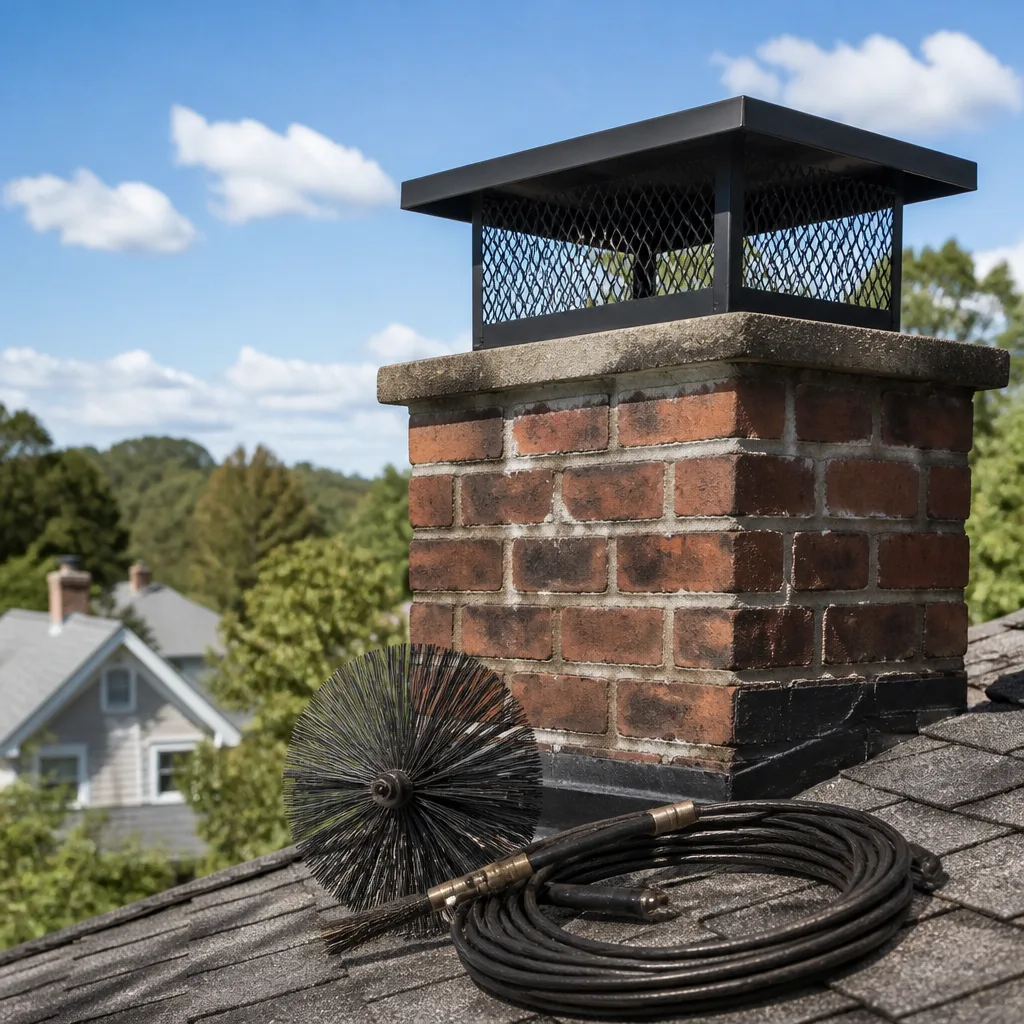 Sweep & inspection
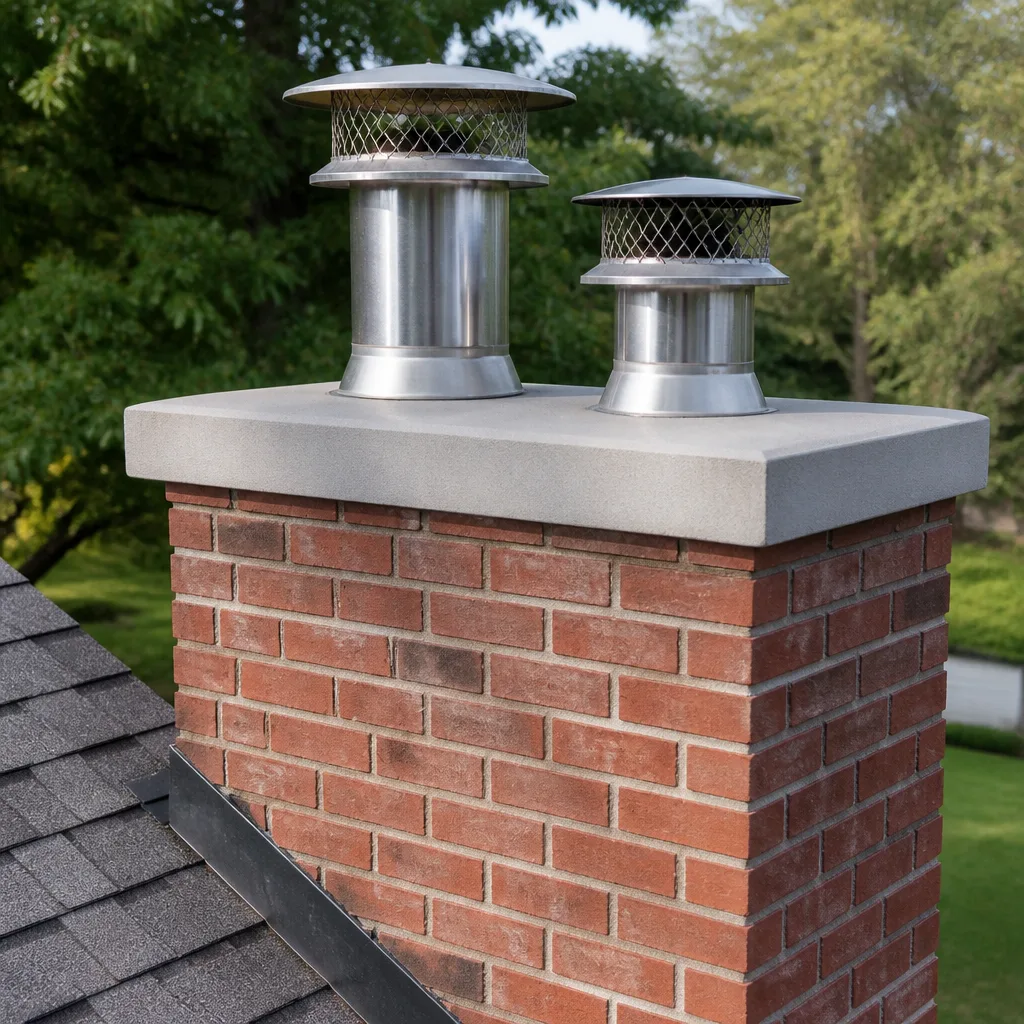 Caps & crowns
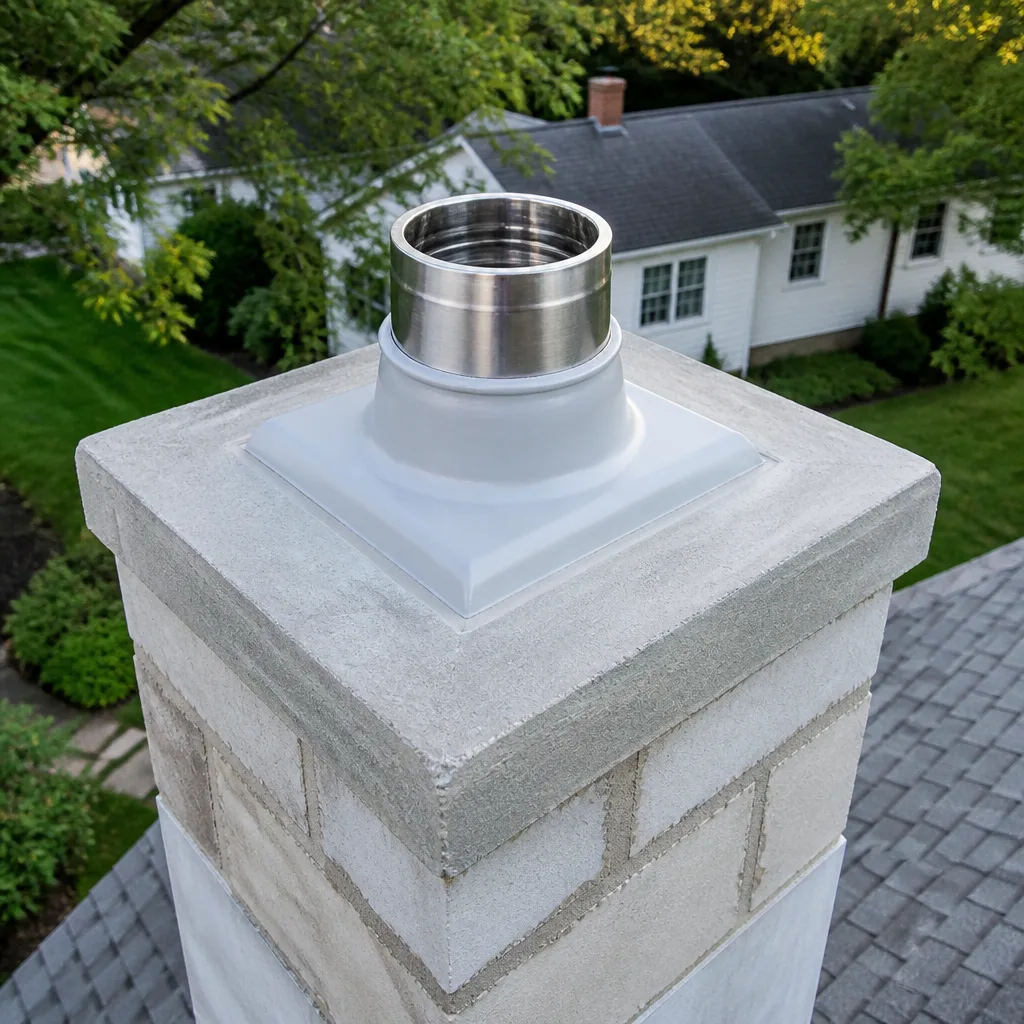 Flue relining
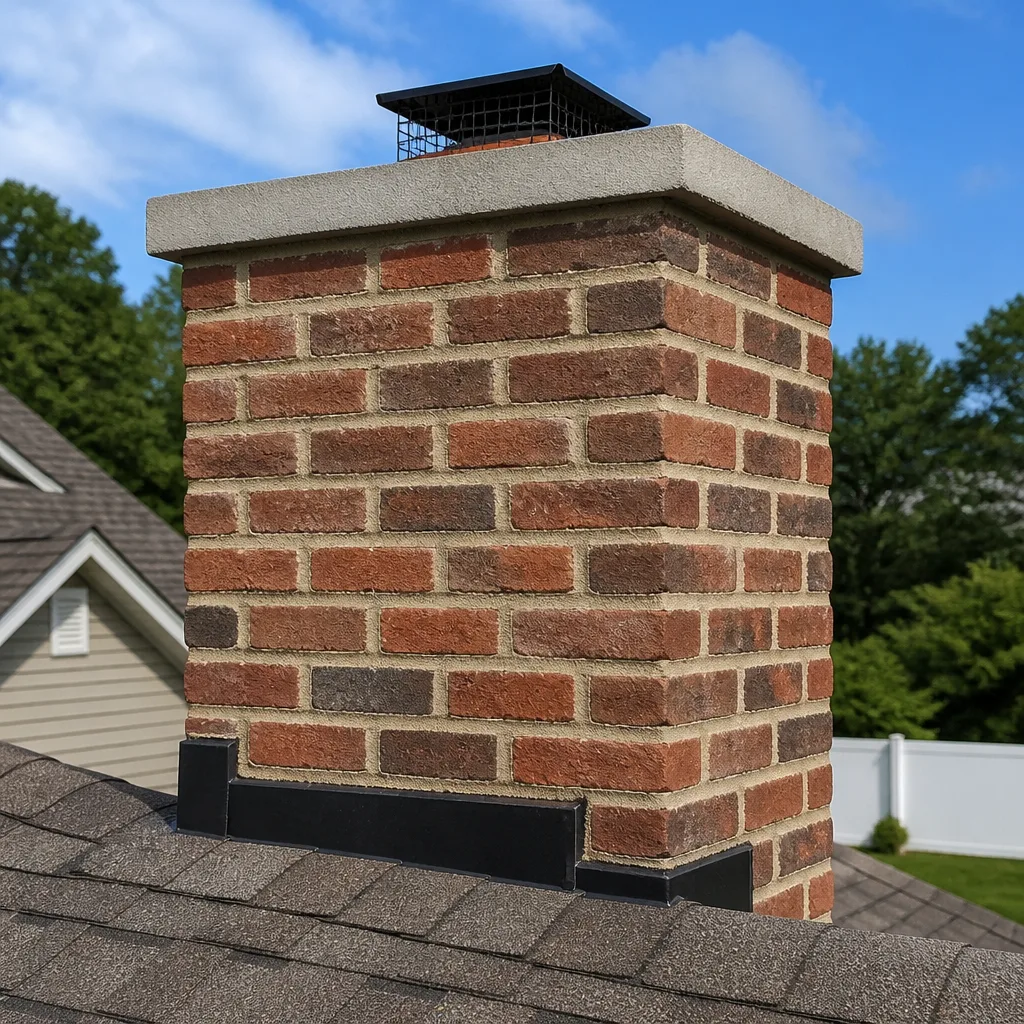 Masonry repair
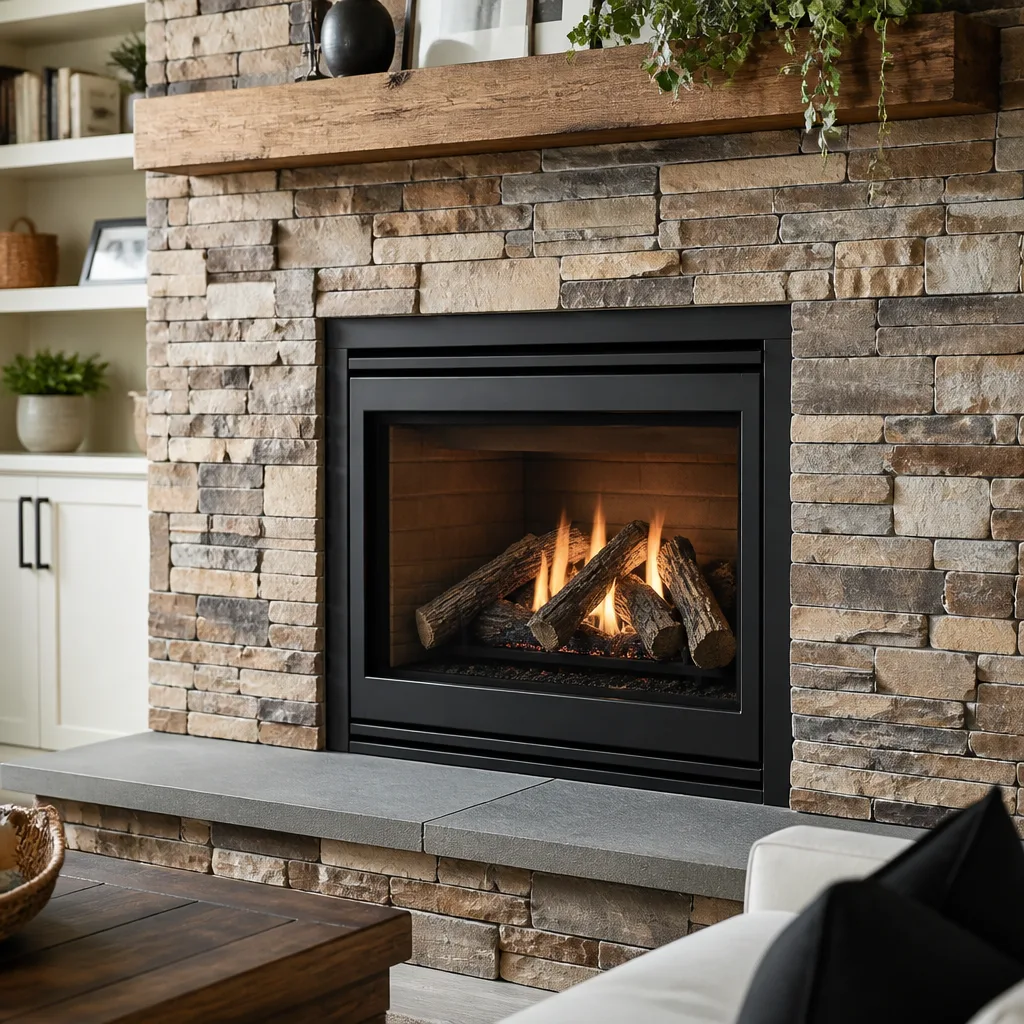 Gas fireplace service
Level 1 sweep and inspection to the NFPA 211 annual standard - flue, crown, cap, and flashing checked and photographed
Chimney sweep logs do not sweep chimneys. They loosen some creosote - which then falls where a brush and vacuum still have to collect it.
How to Hire a Chimney Cleaning Contractor in Yorba Linda: A Step-by-Step Guide
Here’s the part of chimney hiring most homeowners never hear: California has no state license specific to chimney sweeps. There’s no license number to check, no state board to call, no exam that proves the person with the brush knows what a spalled flue liner looks like. That credential gap stays invisible until something goes wrong. This guide is our attempt to close it. We’ll walk you through what certification actually verifies, which red flags in a quote should end the conversation, how to verify insurance that covers interior work, and how to read reviews with a chimney-specific eye. By the end, you’ll have a screening process you can run on any contractor who knocks on your door in Yorba Linda.
Quick Answer
To hire a chimney cleaning contractor in Yorba Linda, require CSIA certification, confirm the company carries liability insurance that specifically covers interior work, demand a written scope of work before anyone starts, and ask questions that reveal whether you’re talking to a chimney specialist or a generalist running sweeps on the side. Anything that happens inside your flue should be shown to you on camera, not just described. If a quote is unusually low, if the contractor won’t put the work in writing, or if new problems appear mid-cleaning, walk away.
Styles & brands we work with
- Sweep & inspection
- Caps & crowns
- Flue relining
- Masonry repair
- Gas fireplace service
Table of Contents
- Why Chimney Work Is Largely Unregulated in California
- What CSIA Certification Verifies (And What It Doesn’t)
- Questions to Ask Before You Book
- Red Flags in a Chimney Cleaning Quote
- Verifying Insurance That Covers Interior Work
- How to Read Reviews for Chimney Work
- The Most Common Chimney Scam and How to Spot It
- Yorba Linda’s Climate and Chimney Wear
- Common Mistakes to Avoid
- When to Call a Professional
Why Chimney Work Is Largely Unregulated in California
The state of California does not issue a license specifically for chimney sweeps. There’s no dedicated licensing exam, no state registry, and no statutory credential that separates a trained specialist from someone who bought a brush set at a hardware store last week. A general contractor’s license may cover some repair work, but it does not attest to chimney-specific training. That means the burden of vetting falls almost entirely on you, the homeowner.
What this looks like in practice is a very wide range of operators advertising “chimney cleaning” in Yorba Linda. On one end are specialists who hold CSIA certification, carry specialized insurance, keep camera equipment on the truck, and can hand you a written inspection report with photos. On the other end are handymen who clean fireplaces as a fill-in job between drywall and painting. Both may charge similar rates. Both may hand you a receipt. The only difference is what happens when the job goes sideways.
Here’s what makes the unregulated status matter beyond just credentials: chimney work touches three things simultaneously. Fire risk, carbon monoxide risk, and the structural integrity of your home’s envelope. A brush pushed through a chimney without proper training can chip glazed creosote loose into the firebox, damage a flue liner, or knock joints free in a clay tile stack. A sweep who doesn’t know what to look for misses those problems. A sweep who does gets them in writing before they become expensive.
The good news is that the industry has self-organized around CSIA certification as the de facto credential. It’s not a license, but it’s the closest thing to one, and it’s the credential we’d insist on if we were hiring a sweep ourselves. The next section explains what it actually verifies.
What CSIA Certification Verifies (And What It Doesn’t)
CSIA stands for Chimney Safety Institute of America. The certification is earned through an exam that covers codes, clearances, venting systems, and the mechanics of how chimneys actually work. It is not a lifetime credential. Certified sweeps must recertify on a set cycle to remain active. That recertification requirement is why CSIA certification remains the most reliable single credential to verify.
What it does verify:
- A tested baseline of technical knowledge across venting, clearances, and inspection standards
- A commitment to ongoing education through recertification
- A code of ethics the sweep has agreed to operate under
What it does not verify:
- Insurance coverage (verify this separately)
- Business credentials or years of field experience
- Anything about pricing, service scope, or specific repair capabilities
- That the contractor who shows up is the certified individual (ask directly)
The last point matters. Some companies list CSIA certification on their website but send an uncertified helper to do the actual sweep. When you book, ask whether the person arriving is CSIA certified and whether they can show the credential on arrival. That question alone eliminates a large share of casual operators.
At Yorba Linda Chimney Sweep, our technicians hold current CSIA credentials and have up to 9 years of field experience. We can talk through any specific chimney system in the area, from the wood-burning masonry fireplaces common in older Yorba Linda neighborhoods to the gas inserts added in the 2000s. Verifiable certification is the starting point of a good conversation, not the end of it.
Questions to Ask Before You Book
These are the questions that separate a specialist from a generalist running chimney jobs on the side. Ask them before you book, ideally over the phone. A trained specialist answers them in a few seconds. A generalist hesitates, deflects, or gets defensive.
- “Are you CSIA certified, and will the person arriving be certified?” If they don’t know what CSIA means, they’re not a chimney specialist.
- “What does your inspection include, and do you provide photos?” A real inspection includes a camera run through the flue, photos of what was found, and a written report. A cleaning visit without documentation is a brush and a receipt.
- “Is your insurance specific to chimney work, and does it cover interior damage?” Standard general liability may not cover a chimney brush punching through a flue. Ask for the certificate.
- “What’s the flat rate, and does it include the inspection?” The price should be quoted before booking and agreed in writing.
- “If you find a problem, what happens next?” A specialist will explain what was found, show you the evidence, then give you options. Anything else is a sales pitch.
- “Do you subcontract any of the work?” Sweep, inspection, repair, relining, and cap work all benefit from being handled by one company. Hand-offs are where quality slips.
- “Can you name the materials you’d use if repair is needed?” A real specialist names brands the trade trusts, like DuraFlex liner systems, HeatShield flue repair compound, or Olympia Chimney components.
Notice that none of these questions require technical knowledge to ask. They all work as filters, and they all reveal how a company operates. A contractor who answers all seven cleanly is one you can probably trust with the inside of your chimney. A contractor who stumbles on two or three is one you probably shouldn’t.
For more on what a proper chimney sweep visit actually involves, we’ve broken down the process in detail. The short version: you should walk away from every visit with a written report and photos, not just a cleaned firebox.
Red Flags in a Chimney Cleaning Quote
Some warning signs are obvious. Others are designed to feel legitimate. Here’s how to spot both.
Unusually low flat rates
A sweep price that lands far below the local average is a lead-generation tactic, not a service. The low price gets the contractor in the door. Then the real conversation starts: cracked flue liner, missing cap, chimney crown deterioration. By the time the homeowner realizes the “cheap” sweep has become a $4,000 repair conversation, the pressure to sign is already on. A fair quote reflects the actual work, including the inspection and the report.
Refusal to provide a written scope
Every sweep and every repair should come with a written scope before work starts. If a contractor will only give you a verbal quote, or “ballparks” the price over the phone and refuses to put it in writing, walk. A written scope protects you from being surprised by extra charges and gives you something to compare against other quotes.
Upsell pressure during the cleaning itself
The most common chimney scam works like this: the sweep arrives, goes up on the roof, comes down holding a piece of damaged liner, and tells you you’re “one fire away” from a chimney fire. Sometimes the damage is real. Often it’s not, or it’s a problem that can wait. The right response is to ask for photos of the actual flue interior, then take time to think about the recommendation. Any pressure to sign on the spot is a red flag.
Other warning signs
- No physical business address (a P.O. box is not an address)
- No website or only a one-page site with stock photos
- Door-to-door solicitation without a scheduled appointment
- Cash-only payment with no invoice
- “Free inspection” offers that always seem to find exactly one big problem
- Reluctance to name specific product brands used in repair work
- Pressure to schedule “today” because of limited availability
None of these are proof of fraud on their own. Together, they’re a pattern, and the pattern is what you’re screening for.
Verifying Insurance That Covers Interior Work
Most people assume liability insurance covers whatever the contractor does once they’re on the property. It doesn’t work that way. Chimney work has two exposure zones: the roof and the interior. Roof work is the obvious risk. Interior work is where things get tricky.
When a chimney brush or camera is run down a flue, it passes through the top of a firebox, past a damper, and into your living room. A damaged flue liner, a dislodged damper, or soot that escapes into the room are all interior consequences. A general liability policy that covers exterior work may or may not cover interior damage, depending on how the policy is written. Ask specifically whether the policy covers interior damage from chimney work before you book.
How to verify:
- Ask for a certificate of insurance before the appointment, not on arrival
- Check that the policy is current and names the company accurately
- Ask whether the policy specifically covers chimney work and interior damage
- If the policy is vague, ask for confirmation in writing or an email from their insurance agent
A legitimate chimney contractor will have this ready. They’ll send a certificate within a few minutes and answer insurance questions without hesitation. A contractor who gets defensive about the insurance question is telling you something important.
How to Read Reviews for Chimney Work
Generic reviews are easy to fake and easy to write without ever hiring a company. Chimney work generates specific reviews. Watch for that specificity.
Reviews that signal a real customer
- Mentions of specific findings (“they showed me photos of the cracked crown”)
- References to specific brands (“replaced our liner with a DuraFlex”)
- Descriptions of the inspection report format
- Details about how a problem was explained or how options were presented
- Comments about the inside of the house staying clean
- Mentions of a specific person by first name only, combined with technical detail
Reviews that signal a purchased or fabricated review
- Vague praise (“great service, highly recommend”) with no details
- Reviews clustered within a short window with similar phrasing
- Reviews that read like they were written about a restaurant rather than a chimney service
- Complaints that the reviewer couldn’t get a written quote or clear pricing
- Complaints about “discovering” problems that weren’t there before the visit
A real chimney review almost always mentions what the sweep found. Because the whole point of hiring a specialist is finding problems before they become costly, and customers who experienced that tend to write about it. If a company’s reviews are all vague five-star praise with no technical detail, treat them as marketing copy, not evidence.
The Most Common Chimney Scam and How to Spot It
The most common chimney scam in the trade doesn’t involve theft. It involves convincing a homeowner that a non-problem is a serious one. The pattern is predictable, and once you know it, you can spot it coming.
The setup: a low-cost sweep or “free inspection” arrives. The sweep goes on the roof, spends a few minutes up there, comes down holding a piece of damaged flue tile or a photo of a “cracked” crown. The homeowner, with no way to verify, is told the chimney is unsafe. The recommendation lands somewhere in the range of thousands of dollars.
Here’s how to break the pattern:
- Ask for photos of the actual flue interior, not a piece of loose material. A real inspection uses a camera. Ask to see the run.
- Ask what happens if you wait. A specialist will tell you the truth. Sometimes liner damage is genuinely urgent. Often it’s a “monitor and repair next season” situation, and a real specialist will say so.
- Get a second opinion before committing to any repair over a few hundred dollars. Any legitimate contractor will expect this and won’t push back.
- Look for a written scope with brand names. If a quote says “new liner” without specifying which liner, which brand, which length, and which components, it isn’t a real quote.
- Check whether the “found” problem matches what you actually experience. A chimney that drafts well, shows no smoke, and has no visible water damage may still have liner issues, but the story should be internally consistent.
We’ve had homeowners in Yorba Linda call us for second opinions after being told they needed full liner replacement. Sometimes they do. Often they need a HeatShield resurfacing, or a cap replacement, or nothing at all that season. The point isn’t that we’re cheaper. The point is that a real specialist diagnoses before recommending, and shows the evidence so the homeowner can judge for themselves.
Yorba Linda’s Climate and Chimney Wear
Yorba Linda’s warm, dry inland climate creates chimney wear patterns that differ from what you’d see in colder or wetter parts of the country. Winters are mild, which means wood-burning seasons are shorter but no less intense. Most Yorba Linda homeowners burn fewer days per year than a mountain household, but they burn harder when they do, especially through December and January evenings.
The two wear factors that matter locally:
- Dry cycles alternating with the occasional wet storm. Southern California doesn’t get predictable wet seasons, but when storms do land, they arrive hard. Masonry that’s been drying out for months can absorb significant water in a single storm. Crowns and caps matter more than the annual rainfall would suggest.
- Creosote accumulation during shorter burn seasons. Less frequent burning doesn’t mean less creosote. It can mean more, because people burn green or unseasoned wood when they’re only lighting fires occasionally. Glazed creosote accumulates on cooler flue walls, and cool flue walls happen when fires burn intermittently without long sustained heat.
Chimney caps and crowns are the two points where water gets into most Yorba Linda chimneys. A missing or damaged cap lets water run straight into the flue. A cracked crown lets water soak into the masonry at the top of the stack. Both problems are visible from the ground with binoculars and up close during any inspection. Both are also among the least expensive chimney repairs you can make, which is why we treat them as a priority when we find them. We install caps and crowns from brands like Copperfield and Gelco because they hold up in the local sun exposure without cracking prematurely.
For broader context on how the local housing stock interacts with chimney wear, our Yorba Linda Chimney Sweep page covers what we typically find across the city’s neighborhoods.
Common Mistakes to Avoid
- Hiring the door-to-door “free sweep.” A free sweep is always paid for somehow, and usually through repair work that materializes during the visit. Require written pricing before booking.
- Accepting a cleaning without an inspection report. A sweep without documentation misses liner cracks, crown damage, and cap problems. Always request photos and a written report.
- Skipping the insurance question. If the contractor damages your flue or interior during the job, an insurance policy that doesn’t cover interior work leaves you with the loss. Ask for the certificate.
- Trusting a verbal quote. Verbal scopes protect the contractor, not the homeowner. Everything in writing, always.
- Assuming a general contractor covers chimney work. A licensed general contractor can build a house, but that doesn’t guarantee chimney-specific training. Ask about CSIA credentials.
- Burning unseasoned wood to save money. Green wood produces more creosote, which means more frequent sweeps and higher long-term cost. Seasoned, dry firewood pays for itself.
- Ignoring the chimney between fires. The chimney is a system, and like any system it needs attention even when it isn’t in use. Annual inspections catch problems before they become expensive.
When to Call a Professional
Some chimney situations need a specialist on site, not a phone call or a YouTube tutorial. Call a professional when you smell smoke in the house while a fire is burning, when you see visible water staining on the ceiling near the chimney, when a chimney cap is missing or has blown off, when you notice flaking or crumbling masonry on the roof or at the top of the chimney, when your draft seems weak or your fire smokes, or when it’s been more than a year since the last inspection. If you’ve recently moved into a Yorba Linda home with an existing fireplace and no documentation of prior service, schedule a sweep and inspection before your first fire. The same goes for any fireplace that hasn’t been used in a year or more, since animals and debris can find their way into an unused flue.
The other situation that calls for a professional is any time someone tells you that you “need” work. Before agreeing to any repair over a few hundred dollars, get the diagnosis in writing, get photos of the actual problem, and get a second opinion. A real specialist will help you distinguish between “urgent” and “next season.”
Yorba Linda Chimney Sweep offers free estimates in Yorba Linda. Call (877) 492-3104 and we’ll walk through your options. We answer 24/7. Fast dispatch from 7am to 7pm, Sunday through Friday.
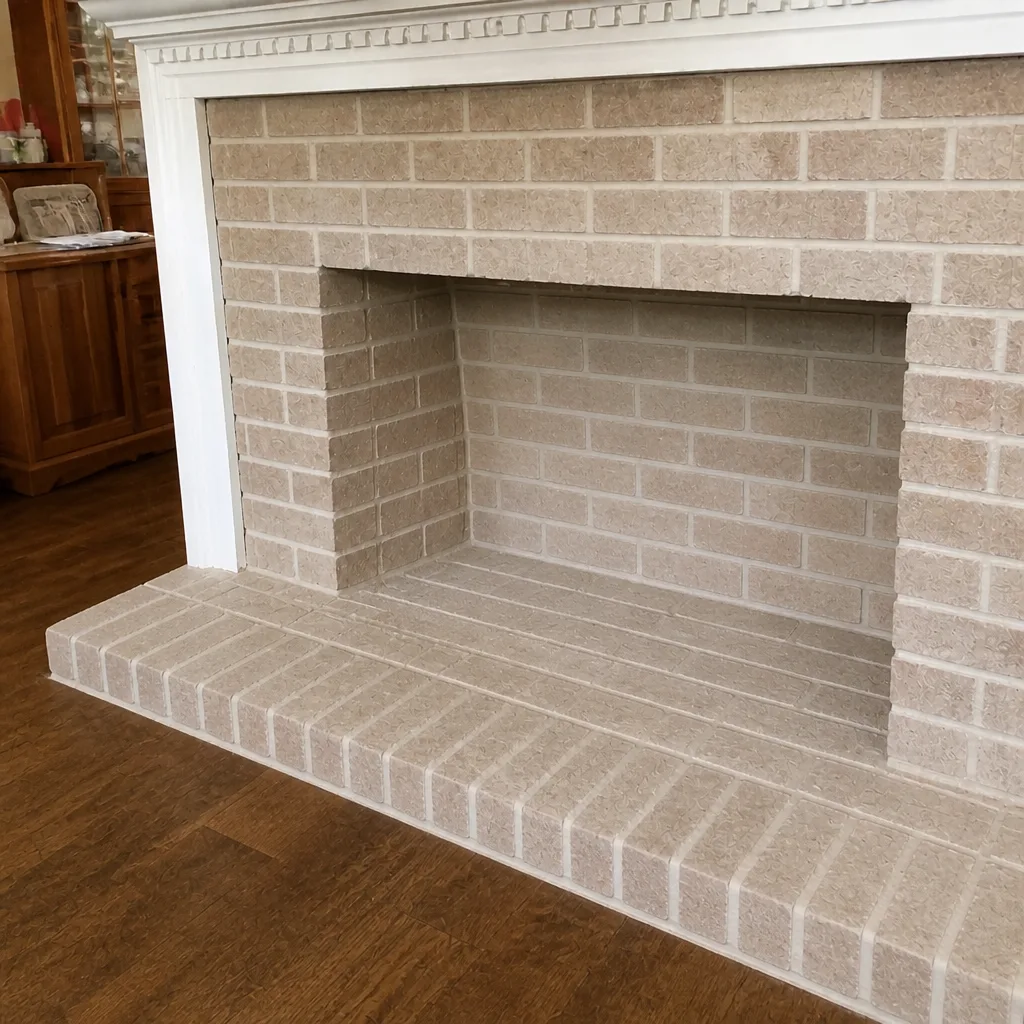
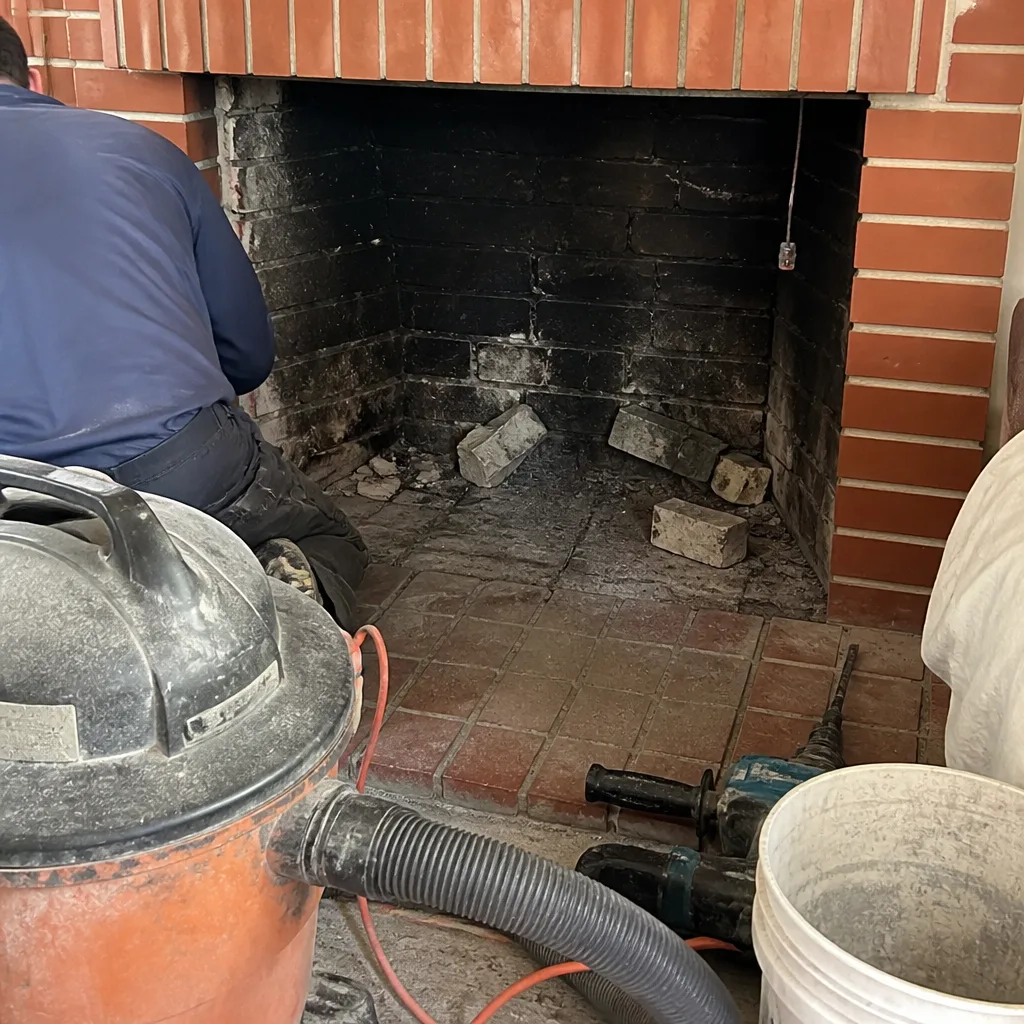
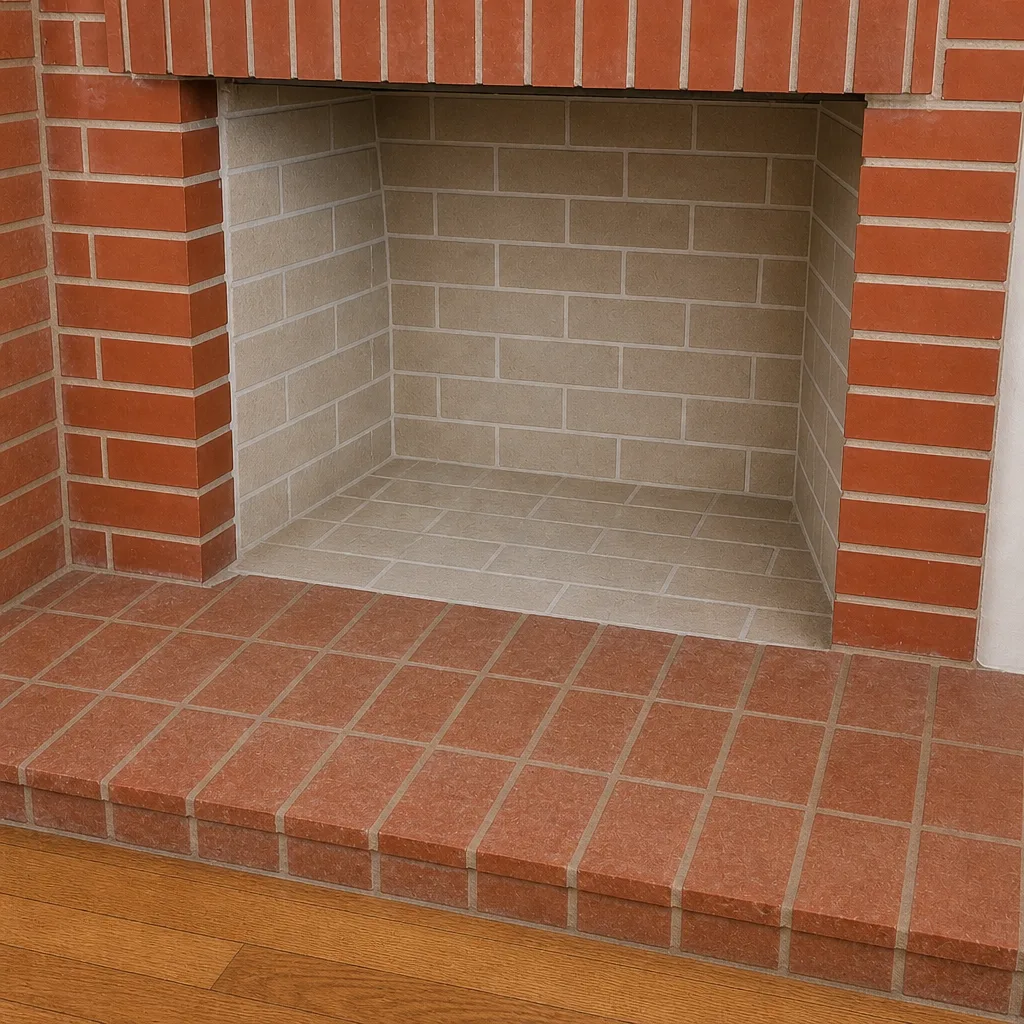
See the difference
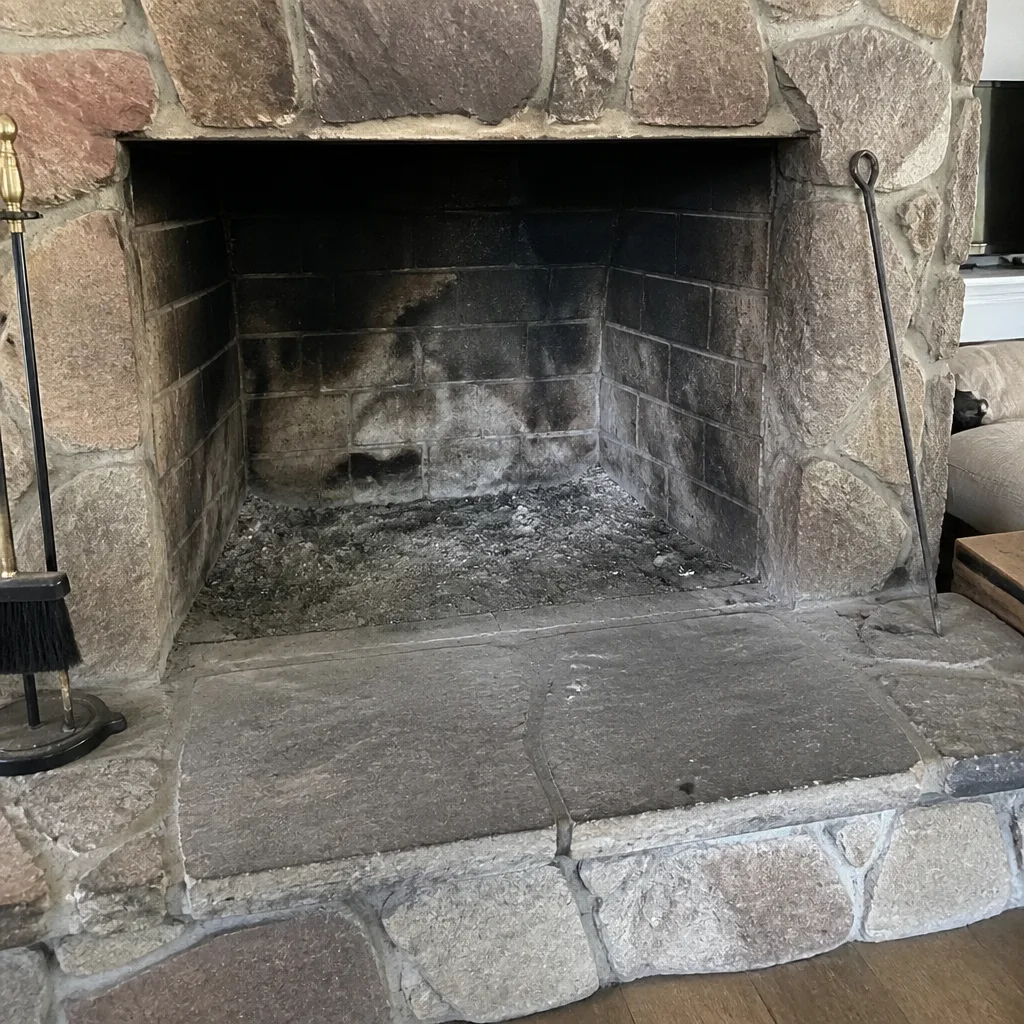 Before
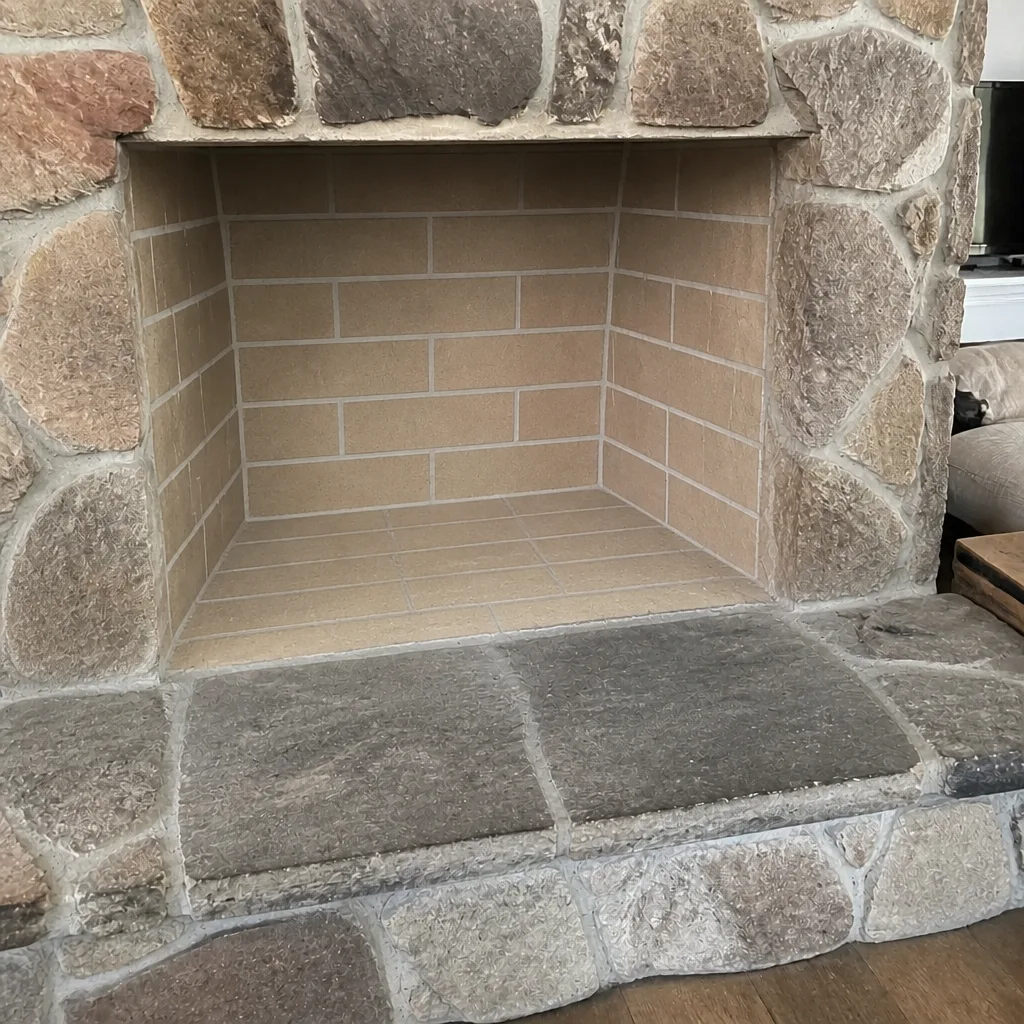 After
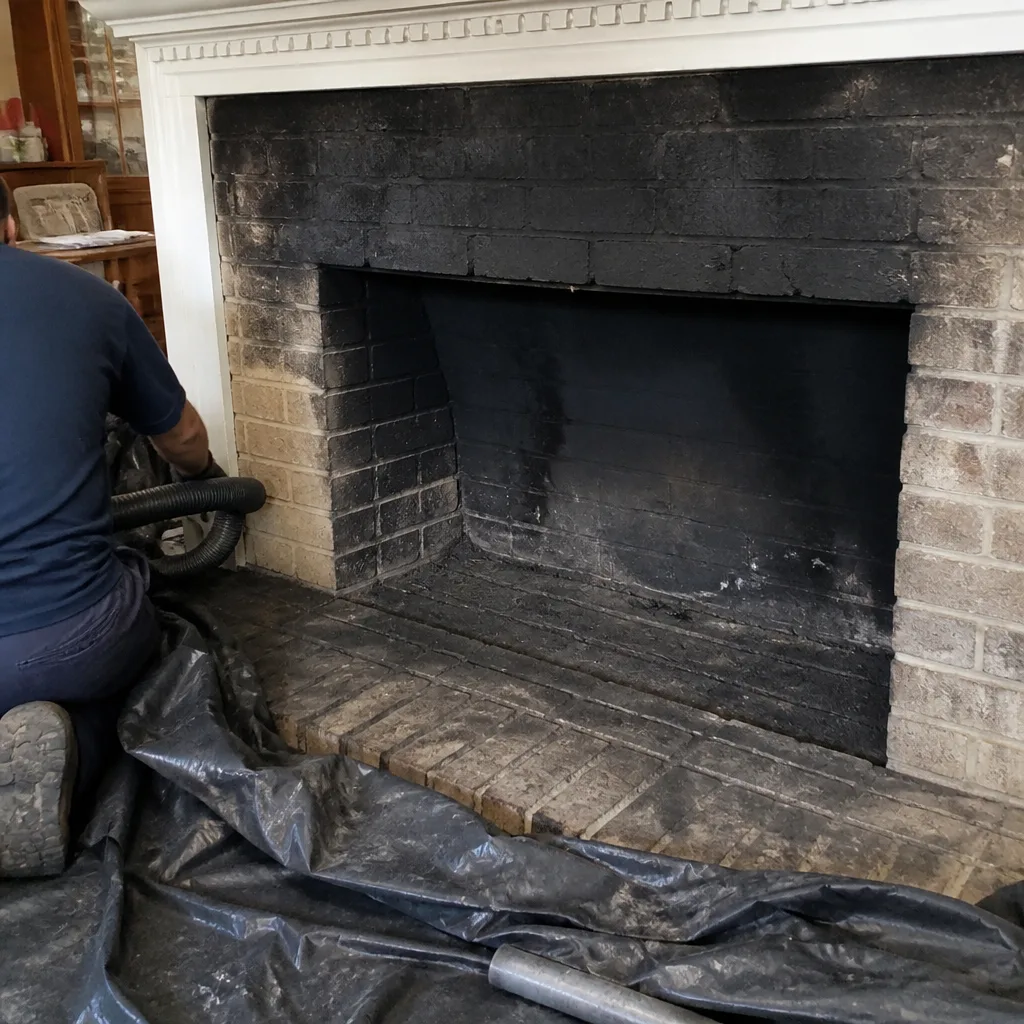 Before
 After
 Before
 After
Frequently Asked Questions
A standard chimney sweep in Yorba Linda typically runs in the low-to-mid hundreds of dollars for a single flue, with the inspection and written report included. The exact price depends on flue configuration, access, and any additional service like a cap inspection. We quote a flat rate before booking, agree it in writing, and the written estimate sets the final price. Call (877) 492-3104 for an exact quote. Estimates are free.
Not always. Liner replacement is recommended when the existing liner is cracked, spalled, or no longer sized correctly for the appliance. But many liner problems can be addressed with a HeatShield resurfacing instead of full replacement, which costs less and preserves the existing flue. The right answer depends on what a camera inspection actually shows, which is why we send photos of the run before recommending anything. Call (877) 492-3104 for an inspection quote. Estimates are free.
Once a year for most wood-burning fireplaces, or any time you’ve burned a full cord of wood since the last sweep. Gas appliances typically need less frequent sweeping but still need an annual inspection for venting and carbon monoxide safety. If you burn frequently through the winter, schedule your sweep before the season starts rather than after. Call (877) 492-3104 to book. Estimates are free.
Creosote accumulates on the flue walls whether or not you notice it, and glazed creosote is highly combustible. A chimney fire starts when that buildup ignites, and it can reach temperatures that damage the flue, the masonry, and in severe cases the structure of the house. Skipping a sweep also means missing small problems (crown cracks, cap damage) that get more expensive the longer they go unaddressed. Call (877) 492-3104 to schedule. Estimates are free.
Check four things: CSIA certification for the technician who will actually show up, a certificate of liability insurance that specifically covers interior work, a written scope of work before the appointment, and a written inspection report with photos after the visit. Any contractor who can’t or won’t provide all four isn’t a specialist. Call (877) 492-3104 and we’ll walk through what we’ll do before anyone is scheduled. Estimates are free.
Often, yes. Cracked or spalled clay tile liners can sometimes be restored with HeatShield, a resurfacing system that fills and smooths the damaged surface from the inside without removing the existing liner. It’s effective for certain types and severities of damage, and not for others, which is why the camera inspection has to come first. When full replacement is the right answer, we use DuraFlex flexible liner systems that accommodate complex flue paths. Call (877) 492-3104 for an assessment. Estimates are free.
The Bottom Line
Hiring a chimney sweep in Yorba Linda comes down to running a simple screening process. Require CSIA certification and verify it applies to the technician who shows up. Ask for the insurance certificate before booking. Insist on a written scope of work and a written inspection report with photos. Watch for the classic warning signs: unusually low prices, refusal to put anything in writing, and problems that “appear” during the cleaning visit. And when repair is recommended, ask to see the evidence, ask what happens if you wait, and get a second opinion. The right contractor will welcome all of it. The wrong one will get uncomfortable. That’s how you tell the difference.
If you’d like a straight answer on your chimney, call Yorba Linda Chimney Sweep at (877) 492-3104 for a free estimate. We answer 24/7. Fast dispatch from 7am to 7pm, Sunday through Friday. Whether you need a routine chimney sweep, a closer look at damage you’ve noticed, fireplace repair, or a full chimney repair conversation, we’ll start with what the inspection actually shows and give you a written scope before anything gets scheduled. Our technicians have up to 9 years of experience and work with brands like DuraFlex, HeatShield, Gelco, Olympia Chimney, Famco, and Copperfield, so the repair we recommend is the one we’d put on our own homes.
Written by the team at Yorba Linda Chimney Sweep.